Last updated November 22, 2026
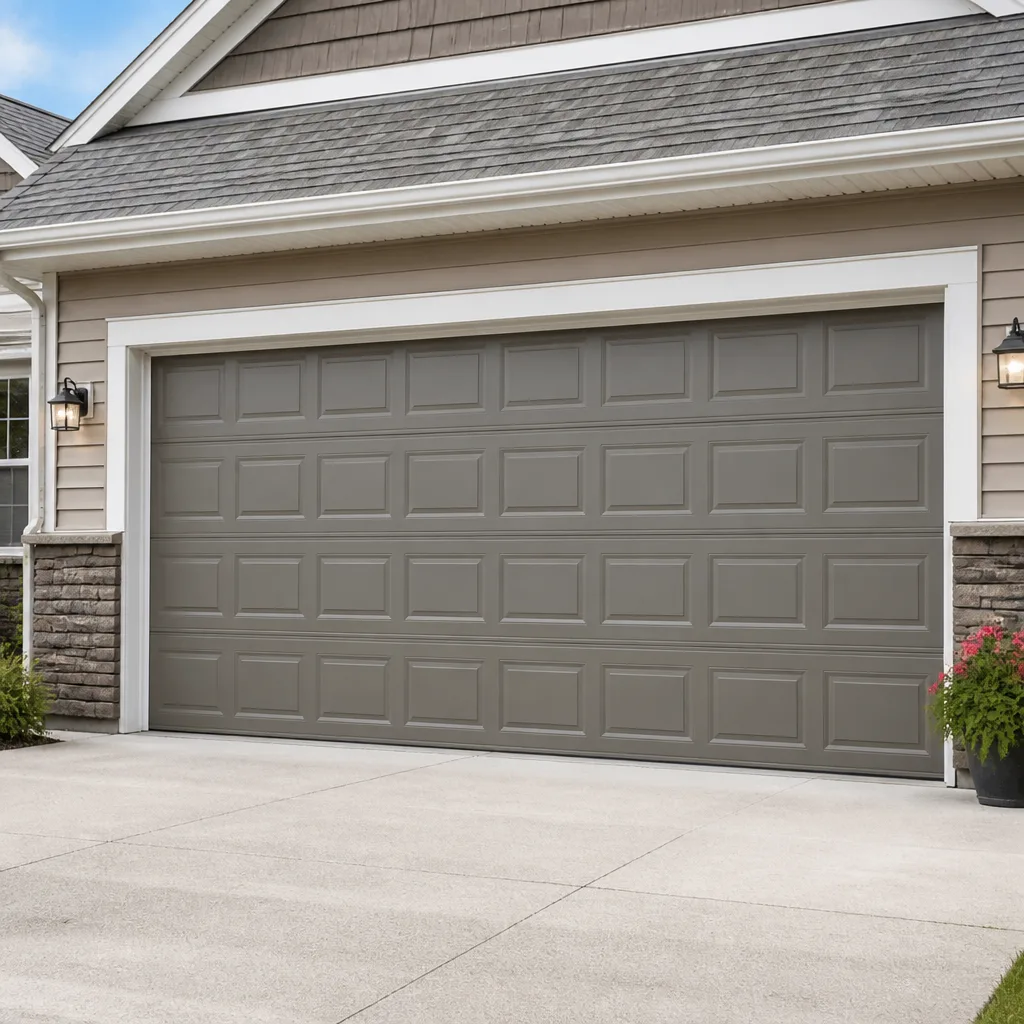 Raised-panel steel
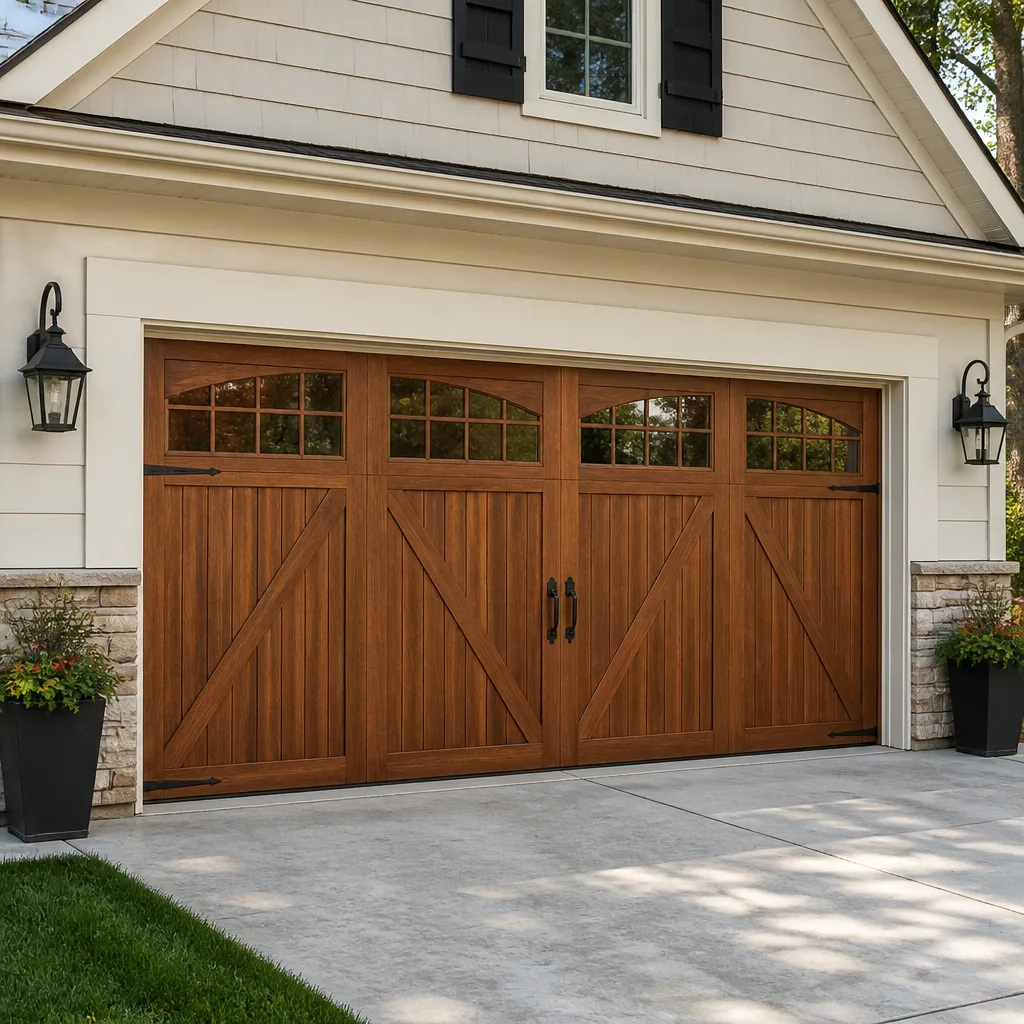 Carriage house
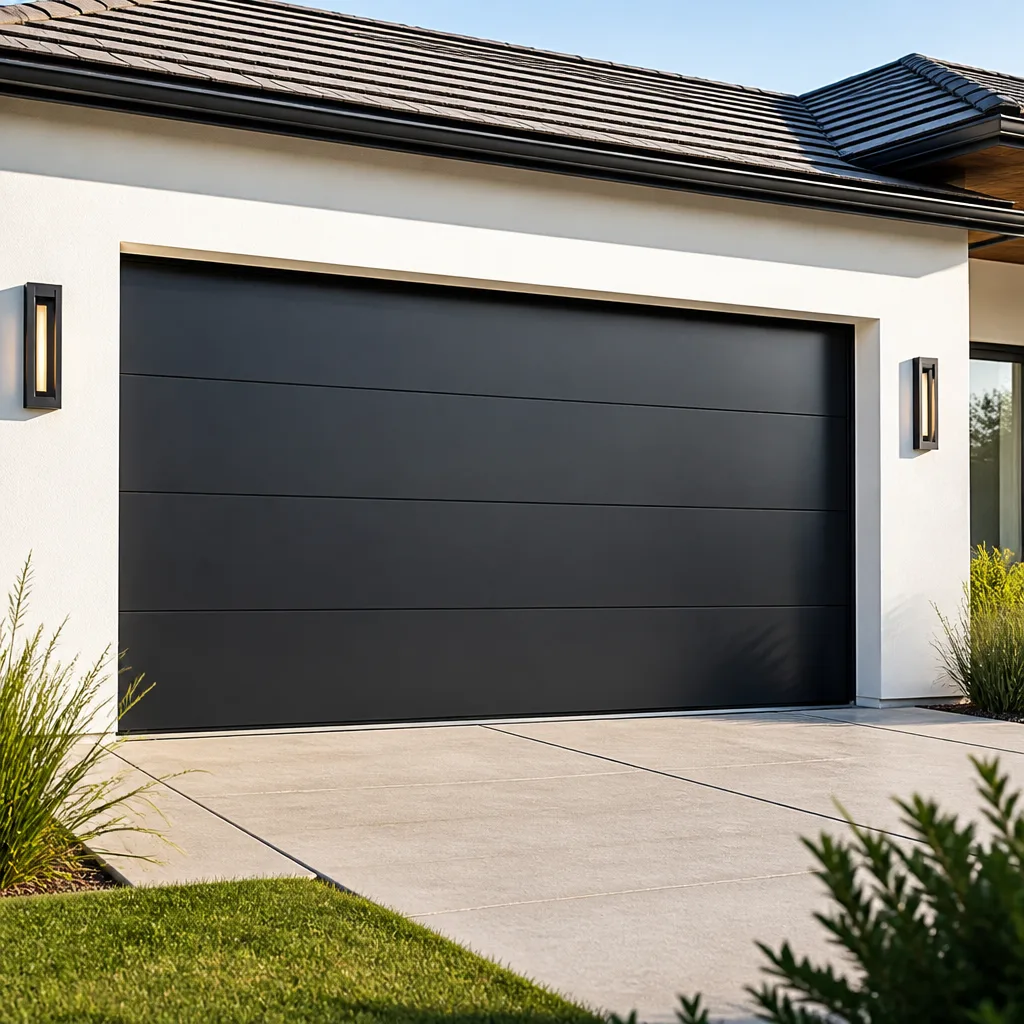 Modern flush
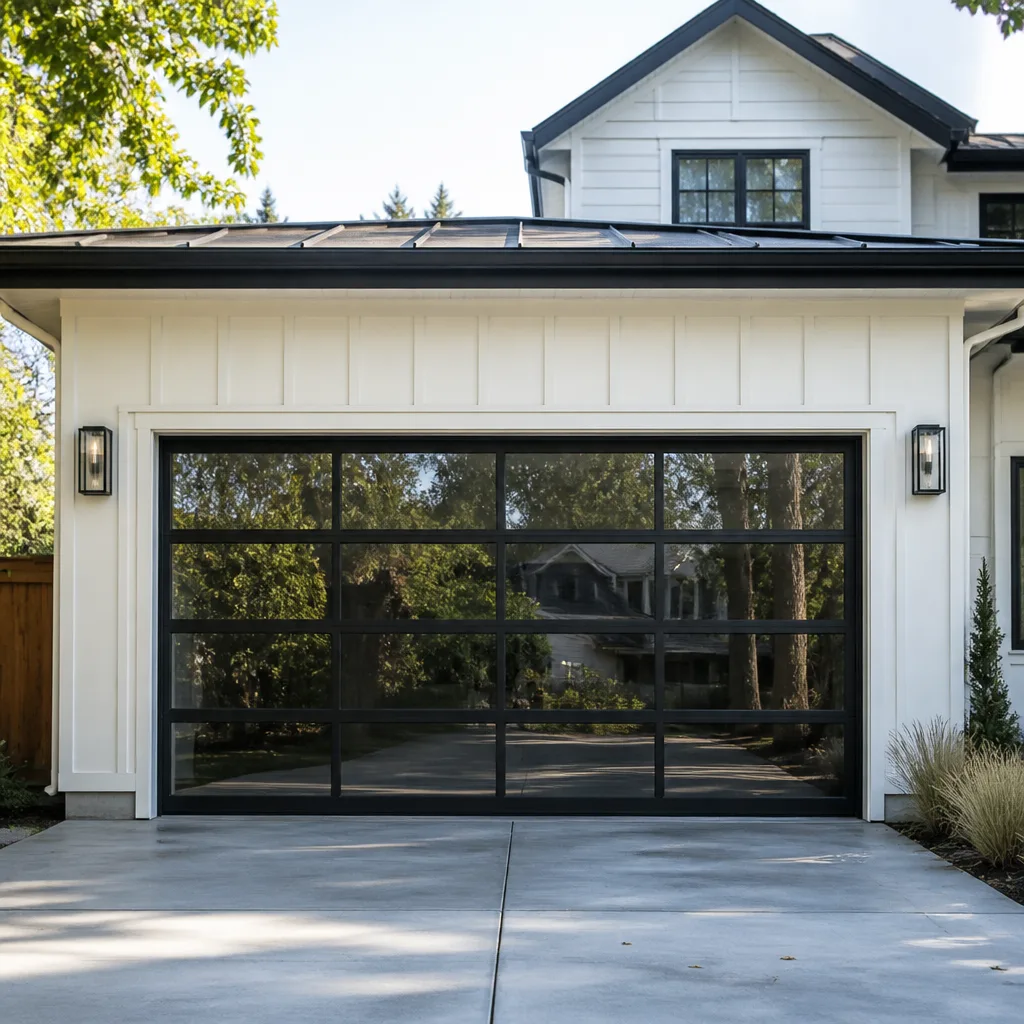 Full-view glass
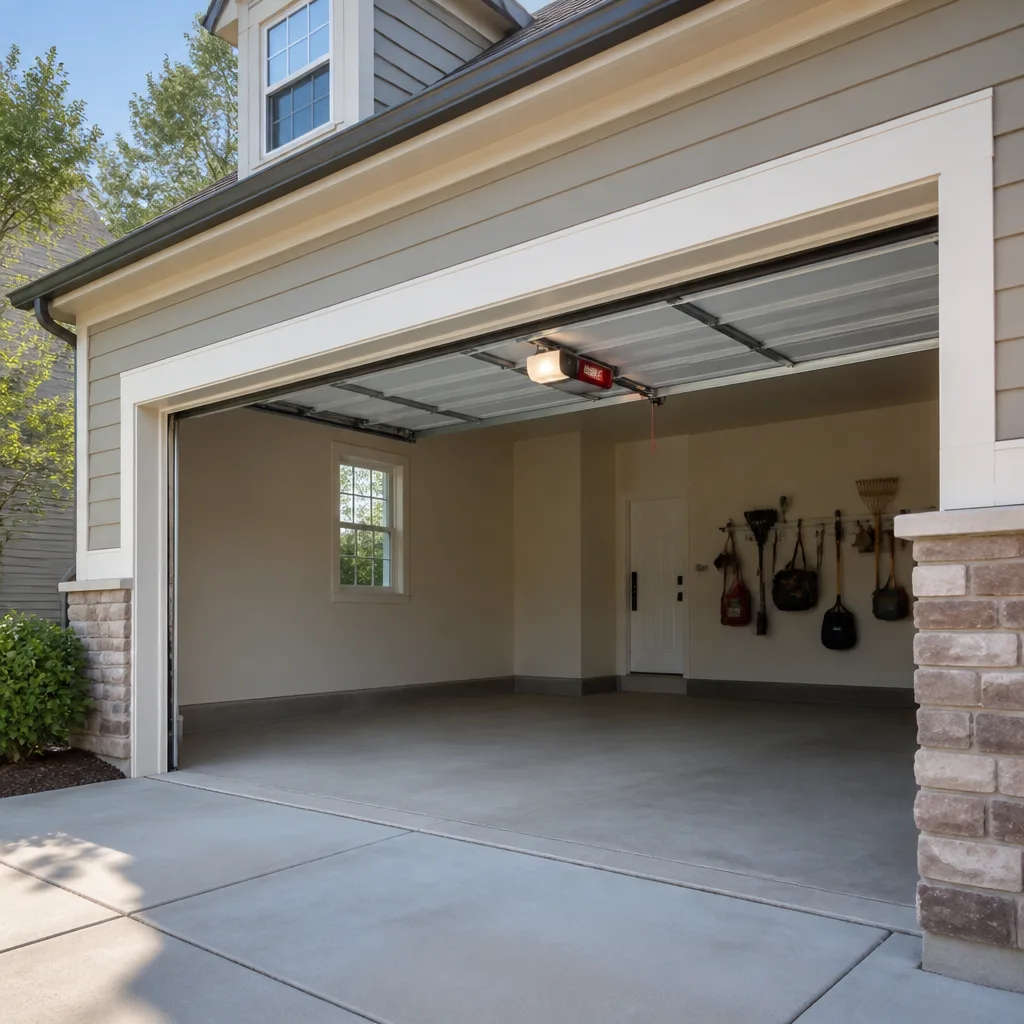 LiftMaster openers
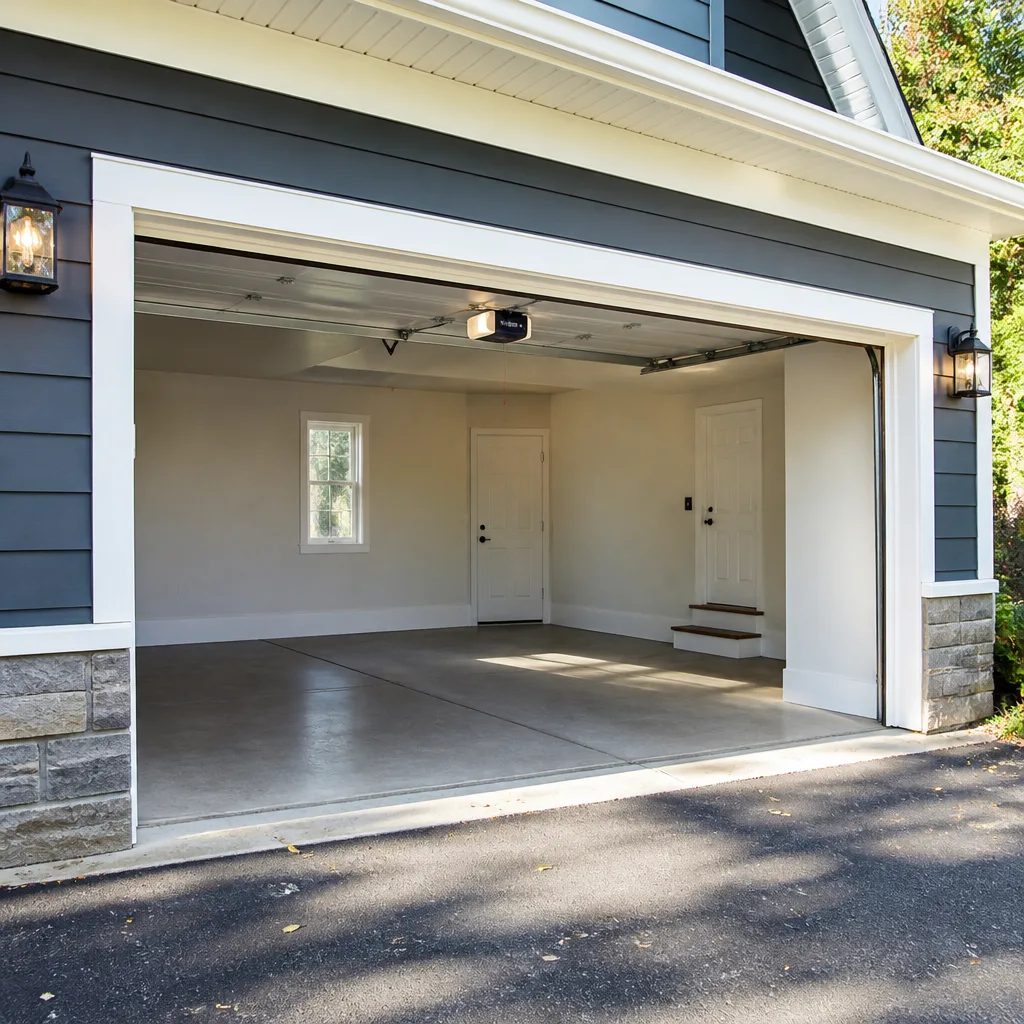 Chamberlain openers
Full 25-point door and opener safety check with every visit - springs, cables, rollers, tracks, and your LiftMaster or Chamberlain opener included
You get a price before we start. It does not change when the pro arrives.
Get your free estimateThe Complete Guide to Garage Doors in St. Charles
Most garage door advice you’ll find online assumes a mild climate, a fairly new house, and hardware that all came from the same decade. St. Charles doesn’t work that way. A door here has to survive more than 20 freeze-thaw cycles a year, summer humidity rolling off the Fox River, and the wide gap between a historic-district home near downtown and a newer build out in Foxmoor or Dunham Farm. That’s the detail most guides skip, and it’s the one that decides whether your door lasts.
In this guide we’ll walk through how the local climate shapes what you should buy, why older and newer St. Charles homes need different systems, how to match a new door to the opener you already own, and what a full garage door system really includes. Read it before you call anyone, including us.
Quick Answer
The right garage door for a St. Charles home depends on three things: your home’s age and construction, how much weather exposure the door faces, and whether your existing opener and springs can handle the door’s weight. Steel holds up best to Illinois humidity and temperature swings for most homes, wood suits the historic character of downtown St. Charles but needs more upkeep, and a full system (door, springs, tracks, opener, and seals) priced together avoids the surprises that come from buying the parts separately.
Styles & brands we work with
- Raised-panel steel
- Carriage house
- Modern flush
- Full-view glass
- LiftMaster openers
- Chamberlain openers
Table of Contents
- How St. Charles Climate Affects Your Garage Door
- Steel, Wood, or Fiberglass: Choosing the Right Material
- Old Town vs. New Subdivision: What Your Home Actually Needs
- Matching Door Weight and Springs to Your Existing Opener
- Why Multi-Brand Familiarity Matters for Parts
- What a Full Garage Door System Includes
- How a Garage Door Installation Actually Goes
- Keeping Your Door Working Through Illinois Seasons
- Common Mistakes to Avoid
- When to Call a Professional
How St. Charles Climate Affects Your Garage Door
St. Charles sees more than 20 freeze-thaw cycles per year, and that single fact explains a good share of the garage door problems we get called about. Water works into a bottom seal, freezes overnight, expands, and then thaws. Do that twenty times and a seal that looked fine in October is cracked and letting cold air and moisture into the garage by February.
The same cycle stresses metal. A torsion spring that was wound for a mild climate may still snap early when it spends the winter cycling between expansion and contraction. Panels can warp where seams hold moisture and the sun hits them in the afternoon. And the Fox River humidity in summer adds a different problem: wood doors swell, steel doors sweat underneath if the paint has failed, and hardware starts to corrode if it’s not the right grade.
In our experience, the doors that last in St. Charles share a few traits:
- Bottom seals made from a rubber blend that stays flexible below freezing instead of turning brittle
- Springs sized to the actual door weight, with a little headroom for cold-weather stiffness
- Painted or factory-finished steel rather than bare metal that rusts at every scratch
- Proper weatherstripping on the sides and top to reduce the moisture that drives the freeze-thaw damage
None of this is exotic. It’s just what a door needs in a place with real winters and muggy summers. Our garage door repair work here often starts with a seal or a spring that failed because the original was spec’d for a warmer market.
Summer heat and humidity
St. Charles summers bring their own wear. A garage that faces west takes direct afternoon sun, and a steel door without good insulation bakes and cools every day. That cycling stresses the paint and can loosen panel joints over time. Wood doors need resealing more often here than they would in a drier climate. Fiberglass holds up well to humidity but can crack in extreme cold if it’s not the right formulation.
Steel, Wood, or Fiberglass: Choosing the Right Material for a St. Charles Home
Material choice is the biggest single decision you’ll make, and it should be driven by the climate and your home, not by whatever looks good in a showroom photo. Here’s how the three main options stack up for a St. Charles house.
Steel
Steel is the most common choice for good reason. It handles the area’s temperature swings well, resists the Fox River humidity, and holds a factory finish for years. Insulated steel doors also keep the garage more comfortable, which matters more here than in a mild climate. The main risk is rust at scratches and along the bottom edge, so touch-up paint is your friend. For most newer subdivisions out toward Foxmoor and Dunham Farm, an insulated steel door is the straightforward pick.
Wood
Wood is what many homeowners in the historic district near downtown St. Charles want, and it’s easy to see why. It can match the character of an older craftsman or Victorian home in a way steel can’t. The tradeoff is upkeep. Wood swells and shrinks with our humidity, so it needs regular sealing and painting. Skip it for two or three seasons and you’ll see warping and finish failure. If you love the look and you’re willing to maintain it, wood is worth it. If you want a door you can mostly forget about, it isn’t.
Fiberglass
Fiberglass sits in the middle. It doesn’t rust, it handles humidity well, and it can be molded to mimic wood grain. It’s lighter than steel or wood, which can matter if your existing opener is near the edge of its lifting capacity. The thing to watch in Illinois is extreme cold, where lower-grade fiberglass can crack. A properly made door handles it fine.
- Best for humidity: steel or fiberglass
- Best for historic character: wood
- Lowest maintenance: steel
- Lightest weight: fiberglass
- Most weather-sensitive: wood
Old Town vs. New Subdivision: What Your St. Charles Home Actually Needs
A door that’s right for a 1920s house near downtown St. Charles is often wrong for a house built in the last fifteen years, and vice versa. The systems differ more than people expect.
Older homes in and around the historic district
Older St. Charles homes near downtown often have garages that were added or modified over the years. That means nonstandard openings, older wood framing, and sometimes a low headroom ceiling that limits which openers and spring systems will fit. Track alignment is another issue. A garage that has settled a little over the decades needs the tracks to be squared to the door, not to the floor. We see more custom work here: fit adjustments, torsion conversions, and doors cut to match an opening that was never a standard size to begin with. Springs are the safety-critical piece in any door, and in an older garage the spring setup is often the first thing that needs attention. That’s why spring repair gets its own garage door spring repair service rather than being folded into general work.
Newer subdivisions like Foxmoor and Dunham Farm
Newer homes in subdivisions such as Foxmoor and Dunham Farm tend to have standard openings, newer framing, and openers that came installed with the house. The doors are usually steel and insulated. The common problems here are different: openers that are undersized for a heavier replacement door, bottom seals that wore out faster than the homeowner expected because of the freeze-thaw cycle, and doors that were builder-grade to begin with. If you’re upgrading a door in one of these subdivisions, the key question is whether your existing opener has the lifting capacity for the new door’s weight. Often it does. Sometimes it doesn’t, and you’ll want to know before the door is on the truck.
Matching Door Weight and Springs to Your Existing Opener
This is the part of a door replacement most homeowners never think about until it becomes a problem. A garage door and its opener are a matched system. The springs carry the door’s weight; the opener just guides it. Change the door and you’ve changed the weight, and a spring system sized for the old door may no longer be right for the new one.
Here’s how we think through the match:
- Weigh the new door. Door weight depends on material, insulation, and size. A heavier insulated steel door can be significantly heavier than the builder-grade door it’s replacing.
- Check the spring system. Torsion springs are rated by the weight they carry and the number of cycles they’ll last. If the new door is heavier, the springs need to be matched to it.
- Check the opener’s rated capacity. Most openers list a maximum door weight and size. If your new door exceeds it, the opener will strain and eventually fail.
- Check the tracks and hinges. Heavier doors put more load on the tracks and hinges. Worn tracks and light-duty hinges won’t hold up.
- Confirm the seals and weatherstripping. A new door with old, compressed seals lets in the moisture that drives freeze-thaw damage.
In our experience, the homeowners who run into trouble are the ones who buy a door and assume their current hardware will adapt. It often will, but it needs to be checked first. If your opener is older or the door is a significant upgrade, plan on a system-level decision rather than a door-only one.
A note on springs: torsion and extension springs are under heavy tension and store enough energy to cause serious injury if they release unexpectedly. We don’t recommend adjusting or replacing springs yourself, and we mean that plainly. This is a job for a trained professional, and it’s why we treat spring work as its own safety-first service rather than as a general repair. If a spring has snapped, leave the door down and call.
Why Multi-Brand Familiarity Matters When Sourcing Parts
When a garage door fails, the delay is often not the repair itself but the wait for the right part. A technician who works across many brands can usually diagnose faster and identify the correct part the first time, which cuts down on the guesswork and the second visit.
We work on LiftMaster, Chamberlain, Genie, Clopay, Amarr, Wayne Dalton, Craftsman, and Raynor products. That breadth matters in St. Charles because the housing stock is so mixed. A door installed by a builder in a new subdivision and a door on a 1950s home near the river can come from entirely different manufacturers with entirely different parts. If a technician only knows one brand line, they either work around the problem or send you looking for another contractor. Familiarity with Amarr and Clopay helps with door and panel sourcing. Familiarity with Wayne Dalton and Raynor matters for the systems and hardware those brands use. And on the opener side, understanding both smart-home systems like LiftMaster and Chamberlain and legacy drives from Craftsman and Genie covers nearly every opener you’ll find in a St. Charles garage.
The practical payoff is simple: correct parts, fewer visits. That’s also why opener problems get dedicated garage door opener repair attention rather than a generic fix. If your opener is a smart Wi-Fi model from LiftMaster or Chamberlain, or a legacy Craftsman or Genie drive, we’ve likely worked on it before.
What a Full Garage Door System Actually Includes
One of the most common sources of surprise is buying a door on its own and discovering later that the price didn’t cover the rest of the system. A garage door is not a single product. It’s a group of parts that have to work together.
- The door: panels, frame, and hardware, sized to your opening
- Springs: torsion or extension, rated to the door’s weight and cycle count
- Tracks and rollers: the path the door travels on
- The opener: the motor that lifts the door, matched to the door’s weight
- Bottom seal and weatherstripping: the barrier that keeps out moisture, cold air, and pests
Pricing these separately is where budgets fall apart. A door is quoted, then the springs turn out to be undersized, then the opener needs replacing, then the seals are shot. Each line looks reasonable on its own, and the total is far higher than expected.
The better approach is to price the full system together before anything is ordered. That way you know what your existing parts can handle and what needs replacing, and you get one number instead of a running tab. Prices are estimates, and the written quote sets the final price, so ask for the full picture up front.
How a Garage Door Installation Actually Goes
Installation is a measured, ordered, scheduled job. It is not a same-day repair, and anyone who tells you otherwise is likely skipping steps. Here’s how it typically runs.
- Measure and quote. We measure the opening, check the headroom and side clearance, inspect the framing and the existing opener, and give you a written price for the full system.
- Order the door. Once you approve the quote, the door is ordered to your opening size and material. Lead times vary by manufacturer and model.
- Schedule the install. We book a date that works with the door’s arrival and your schedule.
- Remove the old door. The old door, springs, and hardware come down. Springs are under tension and are handled carefully during removal.
- Install the new system. Tracks, door, springs, opener, and seals go in and are adjusted so the door runs smoothly and the springs carry the weight.
- Test and walk through. We check balance, safety reverse, and seals, then walk you through the operation before we leave.
Because this is a scheduled job, the promise is a free measure and a written price, not a same-day arrival. If your current door has failed and you need it addressed quickly, that’s a repair question, and a repair is a different conversation. If your door is stuck or your home isn’t secure, that’s the moment for emergency service, and we treat it as a standing offering rather than an upsell. The point is to get your car out of the garage or your home closed up.
Keeping Your Door Working Through Illinois Seasons
A little attention twice a year goes a long way in a climate like this. Here’s what we suggest, in plain terms.
- Check the bottom seal each fall. Run your hand along it. If it’s hard, cracked, or doesn’t touch the floor, replace it before the first hard freeze.
- Look at the springs. A visible gap in a torsion spring means it’s broken. Don’t try to fix it yourself. Call a professional.
- Watch the door’s balance. Disconnect the opener and lift the door halfway by hand. If it won’t stay put, the springs need attention.
- Keep the tracks clean. Wipe them down and check for bends or misalignment.
- Touch up paint on steel doors. Any scratch is a place rust can start, and our humidity finds it.
- Test the safety reverse. Put an object in the door’s path and confirm it reverses. Do this monthly.
- Reseal wood doors. In our climate, wood wants fresh finish more often than in a drier region.
If anything feels off, it’s worth a look before it becomes a bigger repair. A worn seal or a slightly misaligned track is a small job. A snapped spring or a warped panel is not.
Common Mistakes to Avoid
- Buying a door without checking the opener’s capacity. A new insulated steel door can be much heavier than the builder-grade one it replaces. If the opener is undersized, it will strain and fail. Have the door weight and opener rating checked before you order.
- Replacing one spring when both are worn. Springs are usually replaced as a matched pair because they wear at the same rate. Replacing one and leaving the other means a second repair sooner than you’d like.
- Skipping the bottom seal to save money. In a place with more than 20 freeze-thaw cycles a year, a good seal is what protects everything behind it. It’s one of the least expensive parts of the system and one of the most important.
- Assuming a historic-district home takes standard parts. Older garages near downtown St. Charles often have nonstandard openings and low headroom. Measure before you buy, or you’ll be returning a door.
- Pricing the door alone. A door quote that doesn’t include springs, tracks, opener, and seals isn’t a real budget. Ask for the full system price up front.
- Ignoring a failing opener because the door still opens. A straining opener is a warning. Catch it before it leaves you with a door that won’t move and a car trapped inside.
- Trying to adjust springs yourself. These are under heavy tension and can cause serious injury. Leave them to a trained professional.
When to Call a Professional
Some jobs are safe to handle yourself, like wiping down tracks or replacing a bottom seal. Others aren’t. Call a professional if a spring has snapped or looks stretched, if the door won’t open or close, if it comes off its tracks, if the opener strains or reverses on its own, or if a panel is warped or damaged. Make the call if your door is stuck and your car is trapped, or if the garage is open and your home isn’t secure. Springs especially deserve a trained technician, no exceptions.
Garage Door Repair St. Charles Pros offers free estimates in St. Charles – call (888) 778-7498. You can also start with Garage Door Repair St. Charles Pros for the full range of what we handle. Our technicians have up to 14 years of experience, and we work on the brands most St. Charles homes actually have: LiftMaster, Chamberlain, Genie, Clopay, Amarr, Wayne Dalton, Craftsman, and Raynor.
See the difference
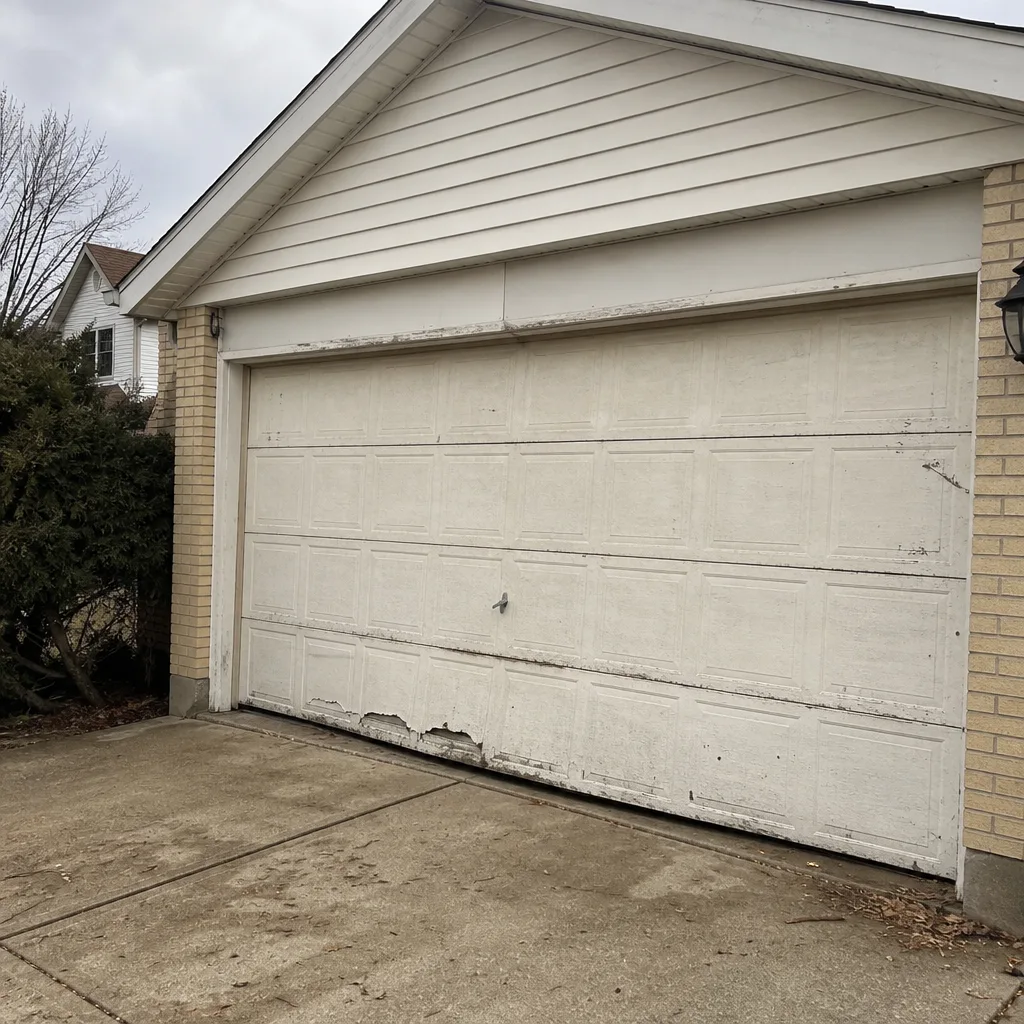 Before
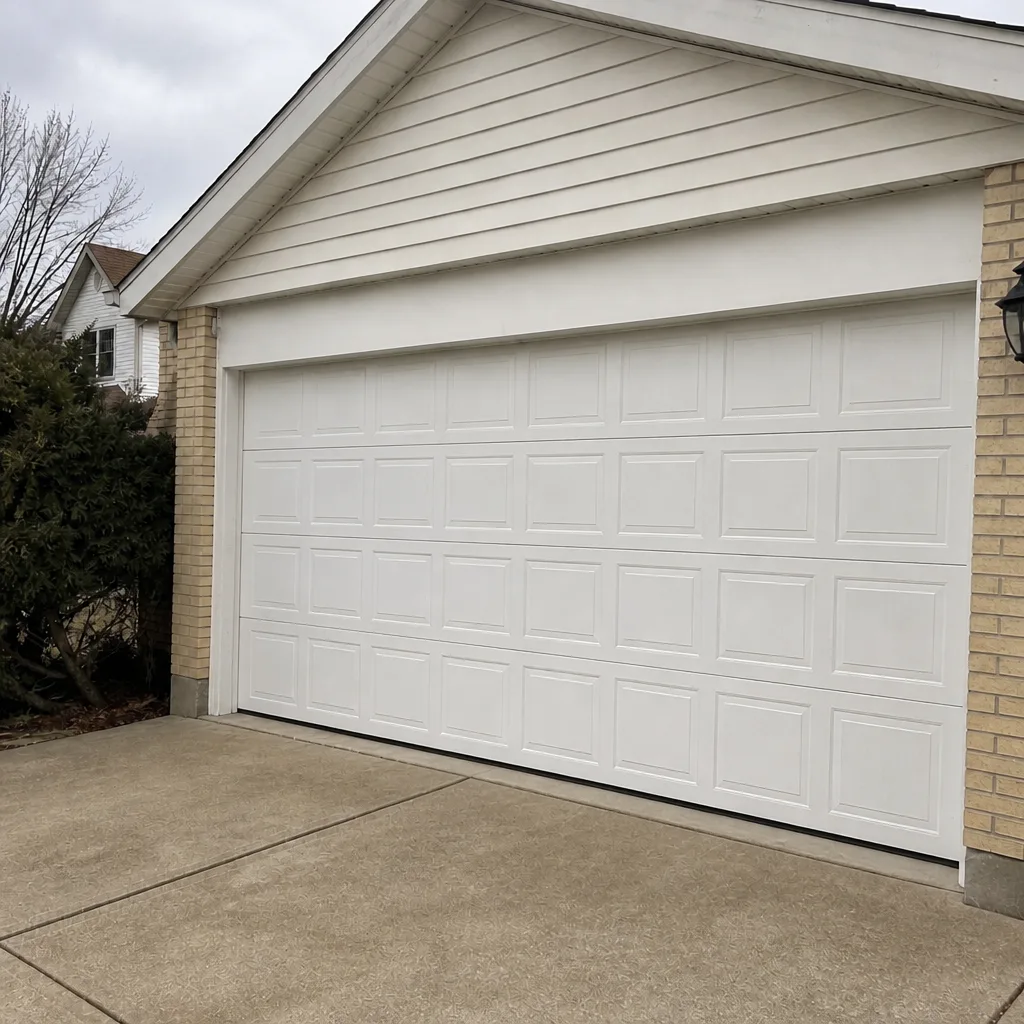 After
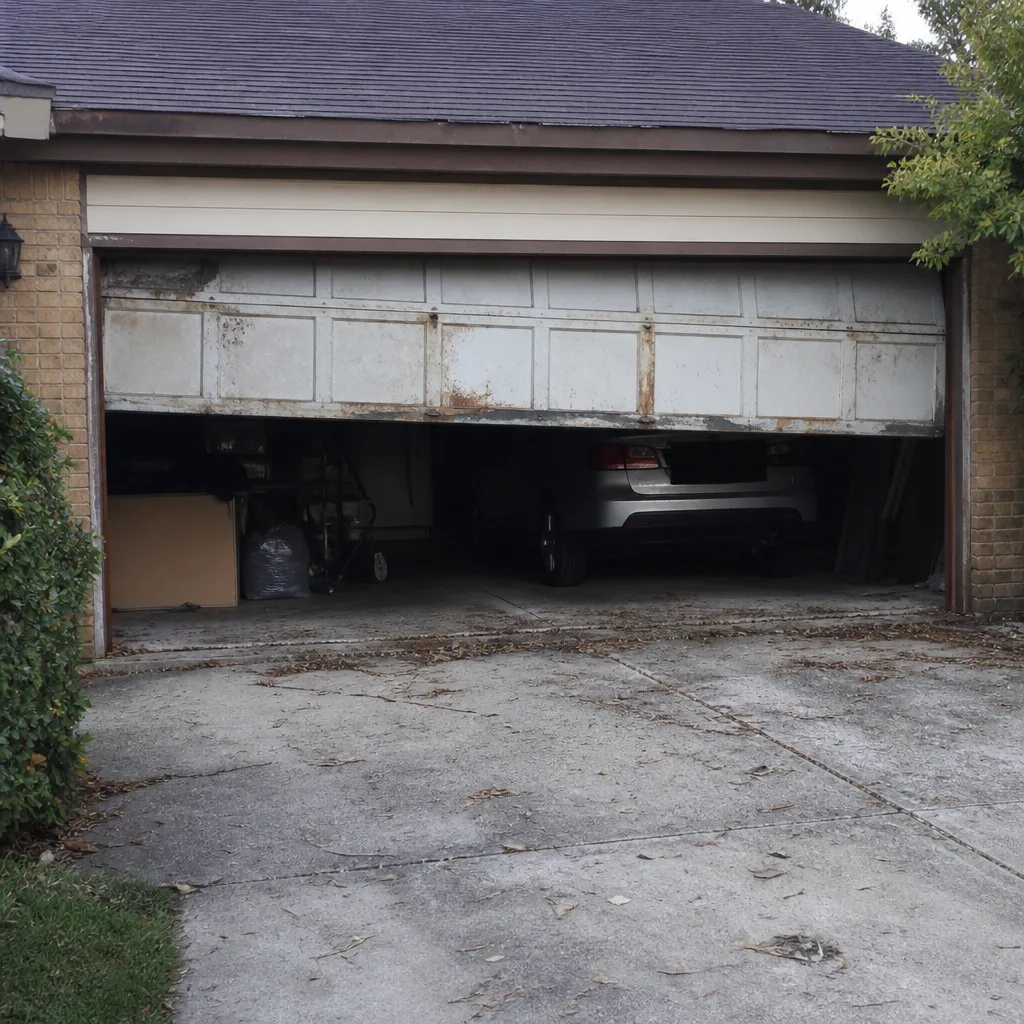 Before
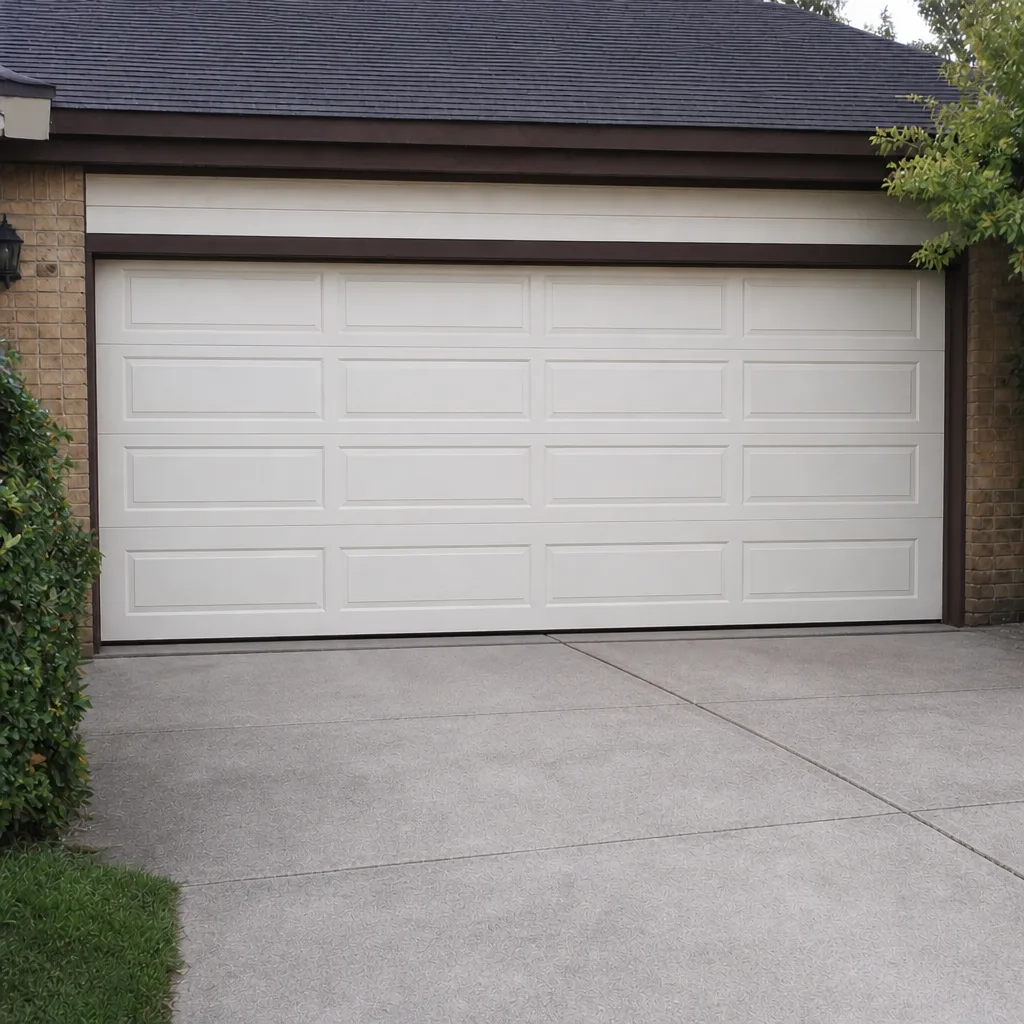 After
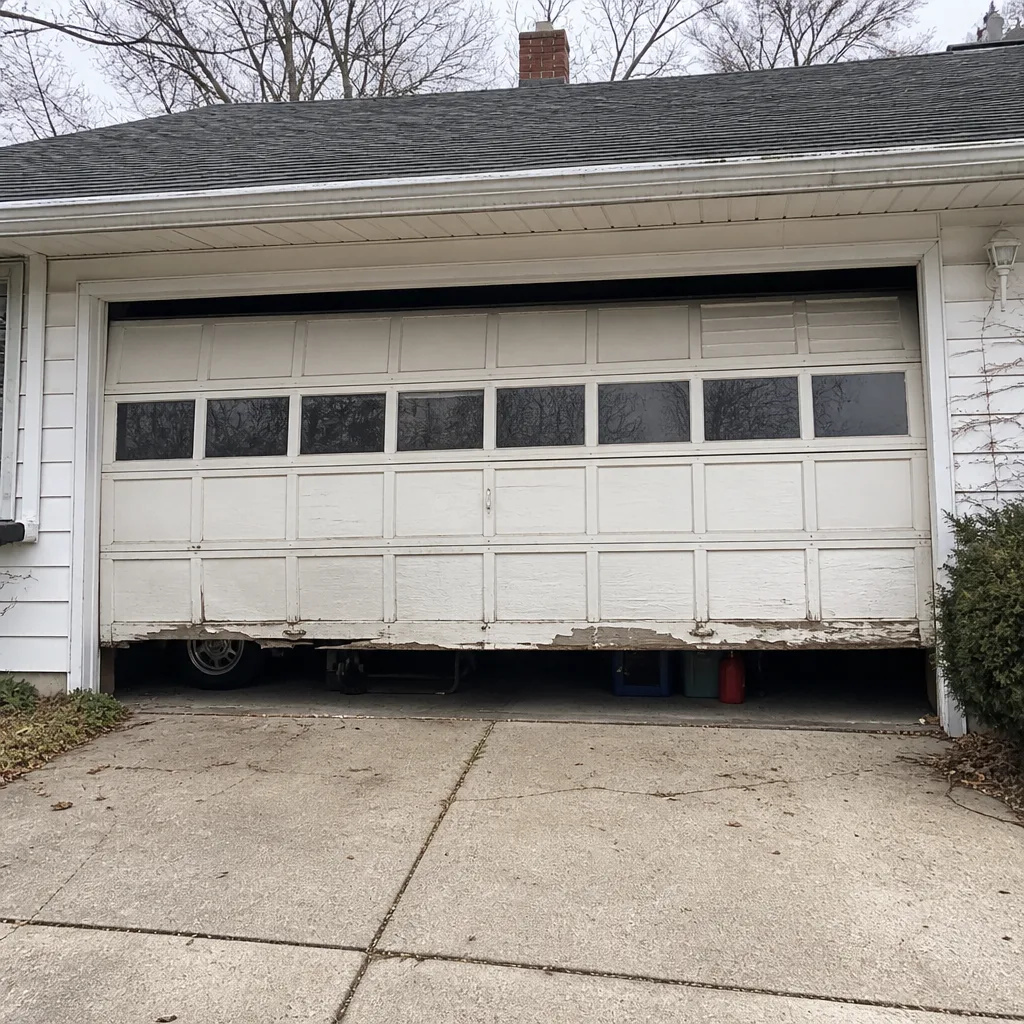 Before
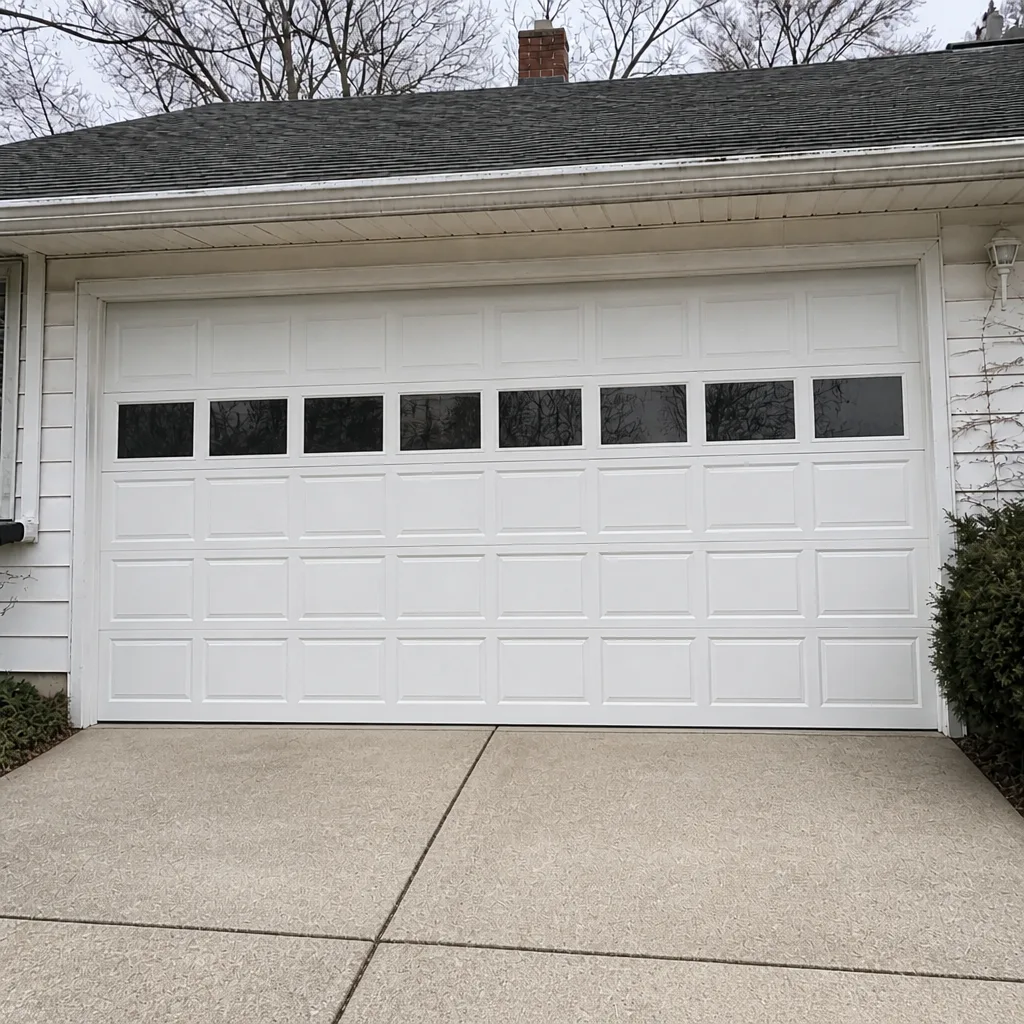 After
Frequently Asked Questions
Most garage door repairs in St. Charles fall somewhere in a range that depends on the part and the door, and a written estimate sets the final price. Spring replacement, opener repair, and panel or track work are priced by the job, and the quote is agreed before any work starts. Call (888) 778-7498 for an exact quote – estimates are free.
Often yes for repair and emergency work, because we treat emergency service as a standing offering, not a premium tier. If your door is stuck or your home isn’t secure, call and we’ll work out the fastest option. Call (888) 778-7498 to get started.
No. The written quote is the price, and it’s agreed before any work starts. If we find something unexpected, we tell you before we do anything about it. Call (888) 778-7498 for a free estimate.
The local professionals we connect you with are licensed and insured as Illinois requires. Our technicians have up to 14 years of experience, and they work on the major brands so the diagnosis and the parts are right the first time. Call (888) 778-7498 with any questions.
For most homes, insulated steel holds up best to the freeze-thaw cycles and Fox River humidity. Wood suits the character of older homes near downtown but needs more upkeep, and fiberglass is a solid middle option if you want something light and rust-resistant. The right choice depends on your home’s age and how much maintenance you want to take on.
Not always, but it needs to be checked first. A new door can be heavier than the old one, and if it exceeds your opener’s rated capacity, the opener needs replacing too. We check door weight and opener capacity before ordering so you don’t find out the hard way. Call (888) 778-7498 for a free measure and written price.
Very likely. We’re familiar with LiftMaster, Chamberlain, Genie, Clopay, Amarr, Wayne Dalton, Craftsman, and Raynor products, which covers most garage doors and openers in St. Charles. That brand familiarity is what lets us source the right part and resolve the problem in one visit rather than several.
The Bottom Line
Choosing a garage door in St. Charles is an infrastructure decision, not just a product decision. Our freeze-thaw cycles and Fox River humidity punish the wrong material and the wrong seals, and older downtown homes and newer subdivisions like Foxmoor and Dunham Farm need different systems because the homes themselves are different. Match the door to your home, check the opener and springs against the new door’s weight, and price the full system together so the total doesn’t surprise you. Handle the routine upkeep twice a year, and leave the springs to a professional. When you’re ready, one call covers repair, replacement, or a fresh install – no juggling vendors.
Call (888) 778-7498 for a free estimate.
Written by the team at Garage Door Repair St. Charles Pros.