Last updated November 22, 2026
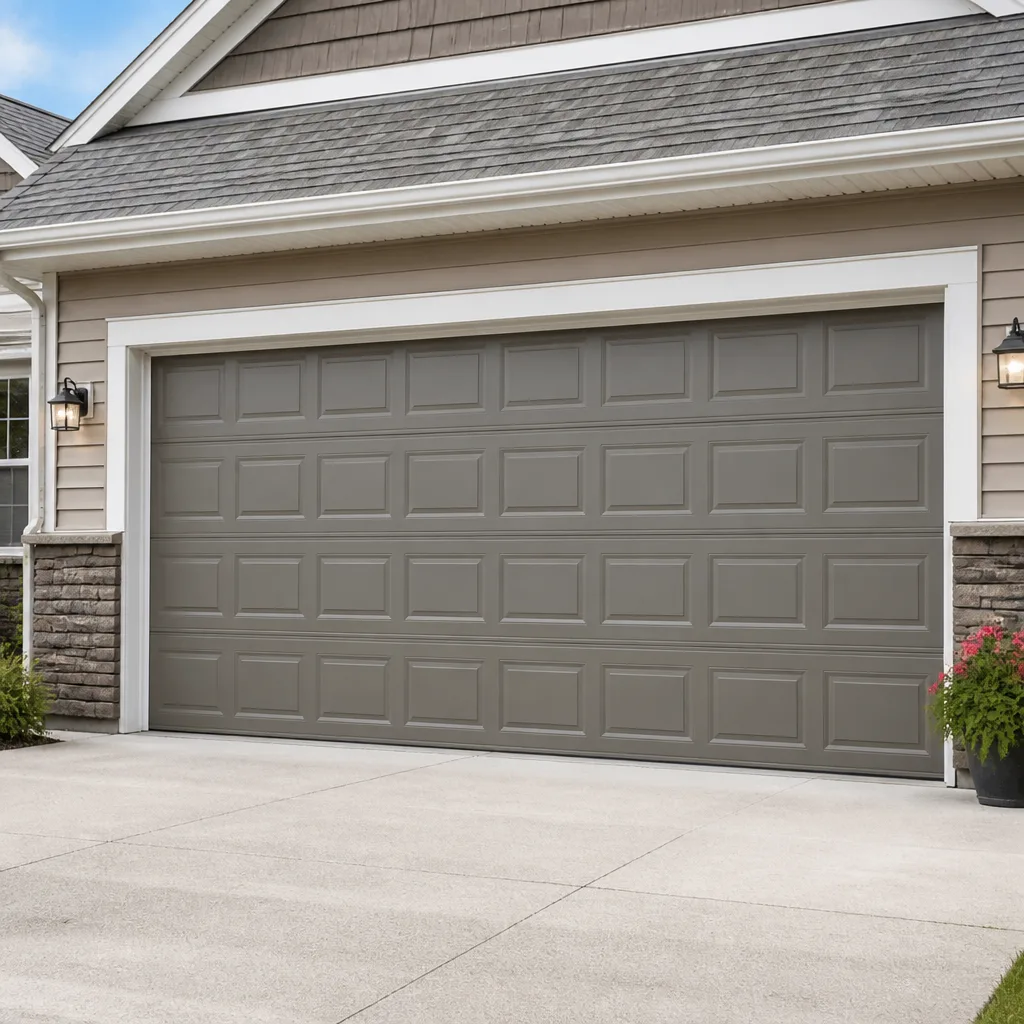 Raised-panel steel
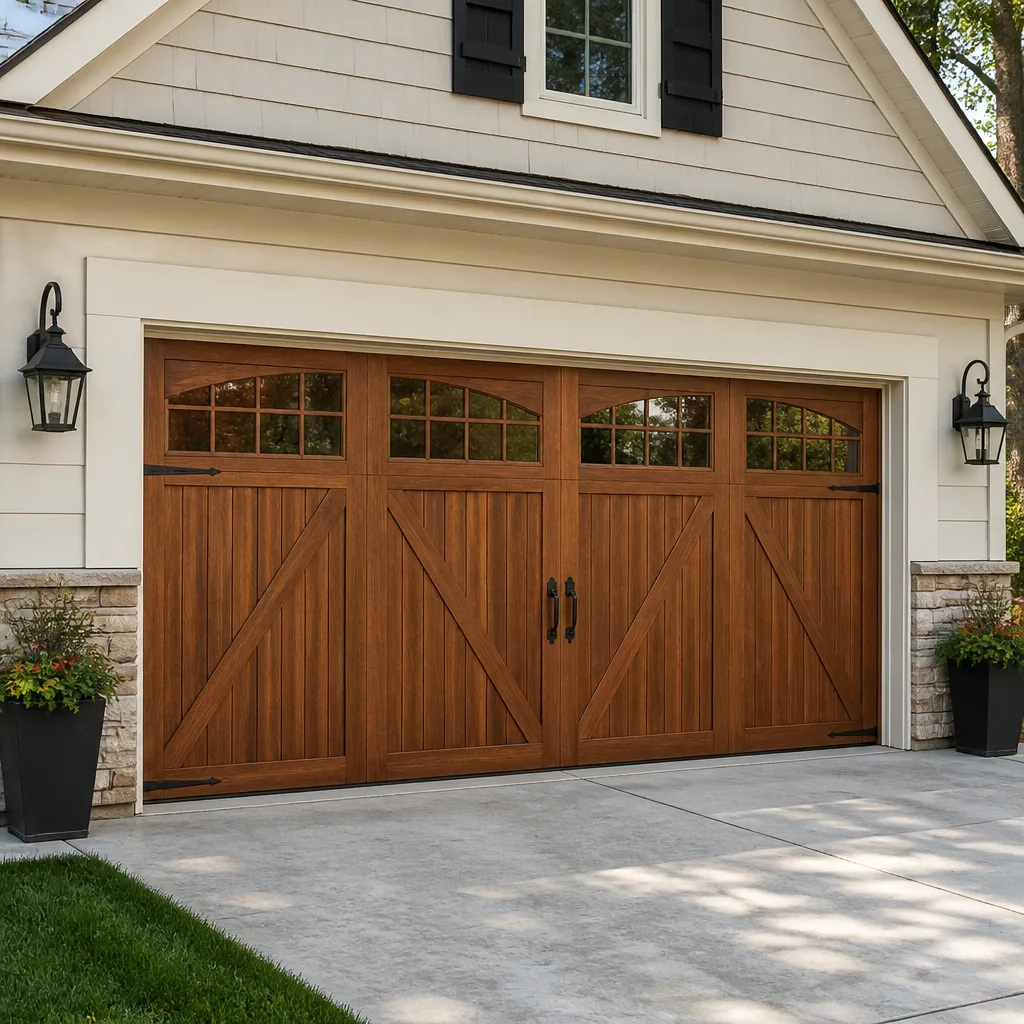 Carriage house
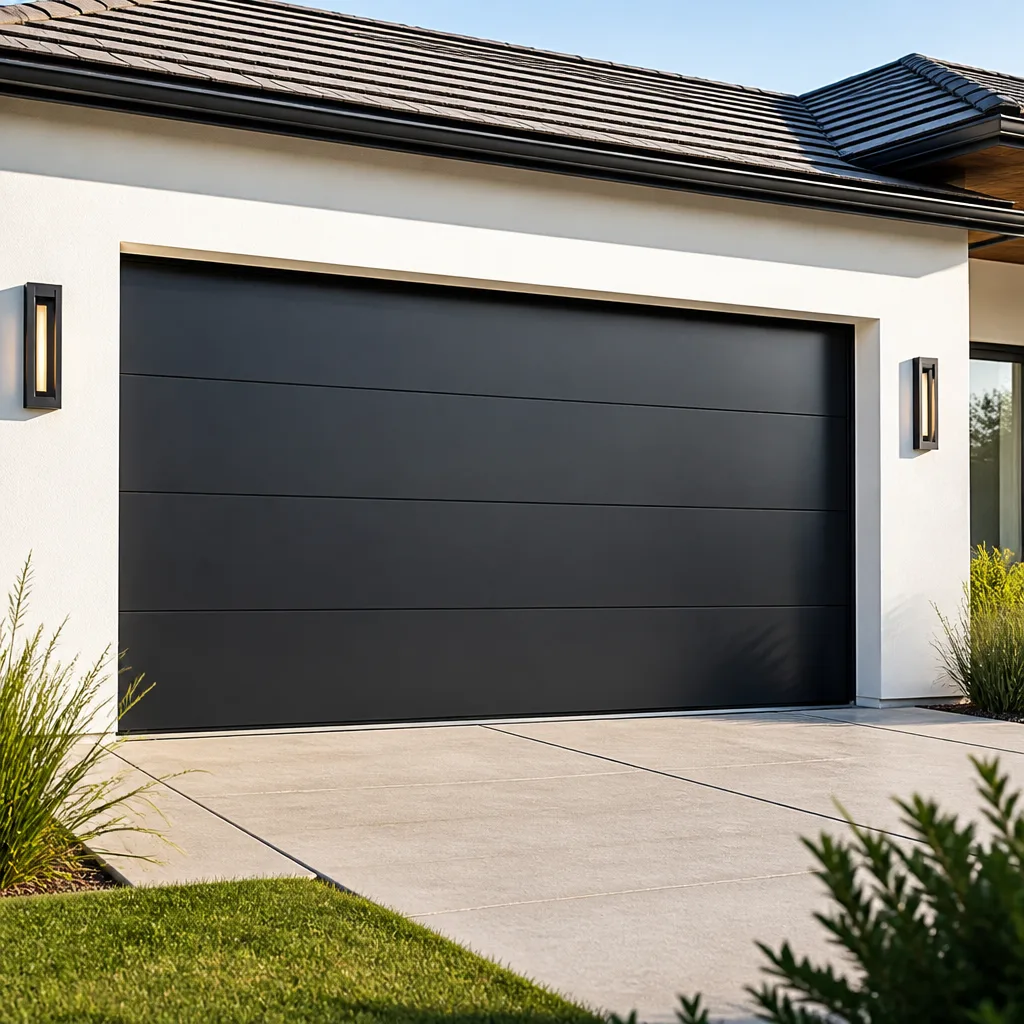 Modern flush
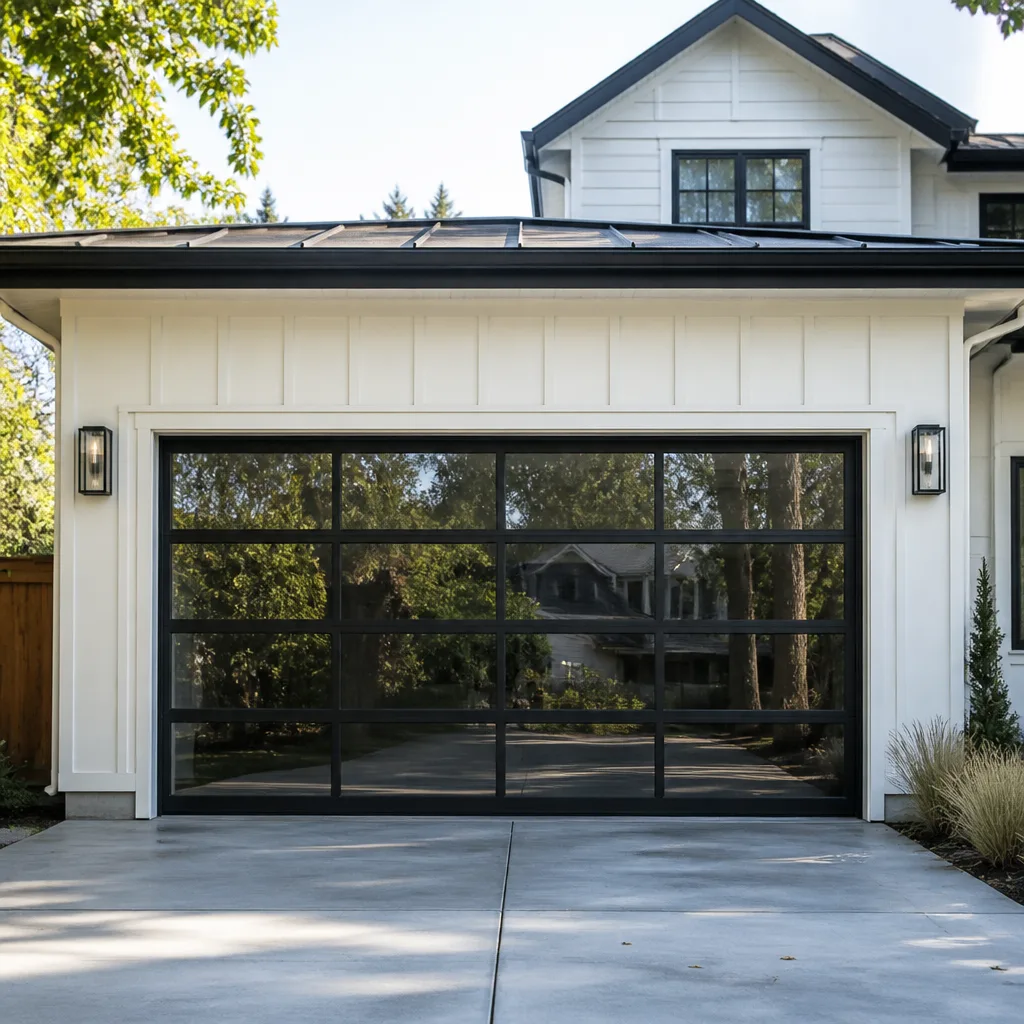 Full-view glass
 LiftMaster openers
 Chamberlain openers
Full 25-point door and opener safety check with every visit - springs, cables, rollers, tracks, and your LiftMaster or Chamberlain opener included
You get a price before we start. It does not change when the pro arrives.
Get your free estimateSeasonal Garage Door Care for St. Charles: Year-Round Homeowner’s Guide
Most homeowners assume January is the cruelest month for a garage door in northern Illinois. It isn’t. March is. The deep freeze gets the blame, but it’s the repeated freeze-thaw cycling that follows a cold winter, water working into seals and around cables by day and locking solid by night, that finally snaps a torsion spring which survived January intact. We’ve seen it again and again in St. Charles. This guide breaks garage door care into a month-by-month, Fox Valley-specific calendar rather than a vague “winterize in fall” checklist, because the failure conditions here change several times a year and each one calls for a different response. You’ll learn what to check, what to leave to a technician, and what never to defer past October.
Quick Answer
Seasonal garage door care in St. Charles means inspecting the door after the spring thaw in March, watching wood doors and opener sensitivity through the humid summer, sealing and lubricating before the first hard freeze in fall, and keeping the bottom seal clear of ice in winter. The single most important habit is a post-winter inspection in March, because freeze-thaw cycling is what causes most spring and cable failures here. Anything involving springs, cables, or the torsion assembly should always go to a trained technician.
Styles & brands we work with
- Raised-panel steel
- Carriage house
- Modern flush
- Full-view glass
- LiftMaster openers
- Chamberlain openers
Table of Contents
- Why St. Charles Weather Is Hard on Garage Doors
- Spring (March-May): The Post-Winter Inspection That Matters Most
- Summer (June-August): Humidity, Warping, and Opener Sensitivity
- Fall (September-November): The Prep That Prevents January Calls
- Winter (December-February): Frozen Seals and Sluggish Springs
- What Never to Defer Past October
- The Month-by-Month Maintenance Calendar
- Common Mistakes to Avoid
Why St. Charles Weather Is Hard on Garage Doors
St. Charles sits in the Fox Valley, and that geography shapes what the weather does to your door. The river corridor holds moisture, so spring and early summer run humid; the winters swing between long cold snaps and thaws that melt snow into the garage apron and then refreeze overnight. The result is a door that gets tested by water in three different forms across a single year: ice, humidity, and liquid runoff.
The freeze-thaw cycle is the real culprit. Every time water seeps into a worn bottom seal or behind a cable and then freezes, it expands. It doesn’t just sit there; it pushes the material apart a little more each time. Over a whole winter, that quiet mechanical work loosens seals, fatigues cables, and puts uneven strain on the torsion spring. That’s why a door that felt fine in December can suddenly refuse to lift in April.
The housing stock matters too. Older homes around downtown St. Charles and along the near-west side often have wood-frame doors and legacy openers, while newer construction carries steel doors and smart openers. Each handles the climate differently. A wood door drinks summer humidity and swells; a steel door sheds it but can trap condensation at the panel seams. Knowing which one you have tells you where to look first. If you want a deeper baseline on how the door’s main mechanical parts actually work, our Garage Door Repair St. Charles Pros page is a good starting point before you go further.
Spring (March-May): The Post-Winter Inspection That Matters Most
March is when the damage from the whole winter shows up at once. As the ground thaws and meltwater runs across driveways, it finds every gap in a bottom seal and every worn spot in a cable. Here in St. Charles, the post-winter inspection is the most valuable one of the year, and it’s the one most homeowners skip because the door “still seems to work.”
What you’re looking for after the thaw:
- The bottom weatherstripping. Check for cracks, tears, or sections that have pulled away from the door. A seal that’s held ice all winter loses its flexibility and stops keeping out water and pests.
- The cables. Look at the tension and the drums at each corner. Frayed strands or slack on one side can mean a cable is about to fail. Don’t touch a cable under tension; just note what you see and call a professional.
- Spring condition. Even if the door is lifting, listen for grinding or a loud bang when it starts. A torsion spring that’s been through a full freeze-thaw winter may be near the end of its fatigue life.
- Panel and track alignment. Melting snow and ice shifting under the door can push panels out of square. Watch for gaps or a door that seems to bind.
- The photo-eye and safety reverse. Test the auto-reverse by placing a box in the door’s path. If it doesn’t reverse, the safety system needs attention.
We’ve noticed that spring is also when St. Charles homeowners first hear the ominous snap of a broken spring, precisely because the repeated freeze-thaw has been quietly working all winter. If you’re hearing bangs, seeing a gap in the spring coil, or the door won’t lift at all, that’s a job for dedicated garage door spring repair. Torsion springs are the most dangerous component on the whole door, and they should never be a DIY project. A trained technician has the winding bars and the know-how to handle that tension safely.
Summer (June-August): Humidity, Warping, and Opener Sensitivity
By June, St. Charles humidity climbs, and the door starts telling you about it. Wood doors are the most affected: they absorb moisture across the wide face and swell, which can cause panels to bind against the frame or the bottom edge to drag. Steel doors handle moisture better, but humid air plus a cold garage floor can create condensation that rusts seams and hinges over time.
Heat also changes how your opener behaves. As the temperature climbs, the door’s metal expands slightly, and the opener’s travel limits and force sensitivity can drift. A door that worked in May may start reversing halfway up, or the opener may strain against a door that now needs a touch more force. If you have a LiftMaster or Chamberlain opener, the smart units let you adjust force and travel from the app; a legacy Genie or Craftsman unit needs manual adjustment at the limit switches.
A few summer checks worth doing:
- Open and close the door and watch for binding, dragging, or a panel rubbing against a track.
- Lubricate hinges, rollers, and the torsion spring with a proper garage-door lubricant (not WD-40 as a long-term fix).
- Re-test the safety reverse system; summer is a good time to confirm it still works.
- Wipe down metal tracks to clear grit and dust that humid air holds against the metal.
If the opener is the problem, changing limits or replacing a drive gear is fiddly work, and messing with an opener under tension can hurt you. For anything beyond a basic adjustment, garage door opener repair is the safer and faster path. We work on the smart brands and the older units alike, so you don’t have to hunt for a specialist who knows your system.
Fall (September-November): The Prep That Prevents January Calls
Here’s the part most seasonal guides get backwards: fall prep in St. Charles isn’t about being ready for winter in general. It’s about preventing the specific January failure that happens when water gets past a worn seal and freezes solid. Everything you do in September and October buys you a service-call-free January and February, and everything you defer costs you a middle-of-the-night emergency.
The fall routine that actually works:
- Replace or reseal the bottom weatherstripping. This is the single highest-value fall task. A flexible, intact seal keeps meltwater and snow out of the garage entirely, and a stiff or cracked seal is a direct path to ice buildup.
- Lubricate everything that moves. Hinges, rollers, and the spring. Cold weather makes marginal lubrication turn gummy, so fresh lubricant in October beats any amount in December.
- Check the weather seal around the door edges and the gap at the sides. Wind-blown snow gets driven into small gaps and freezes.
- Have the spring and cables inspected. If a cable is already frayed or a spring is sagging, October is the time to address it, not February when it fails and traps your car.
- Test the opener’s force and travel settings. A door that’s slightly harder to lift in the cold can trip the opener’s safety reverse; make sure the settings have some margin now.
- Clear the tracks of any summer grit. A clean track is a track that won’t jam when the door is stiff with cold.
If you’ve noticed slack in a cable or a door that shudders on the way up, this is the moment to bring in a technician for a professional garage door repair. Fixing it in fall on a scheduled visit is far easier than dealing with a snapped cable in the dead of winter.
Winter (December-February): Frozen Seals and Sluggish Springs
When a cold snap locks in across the Fox Valley, the door meets a new set of conditions. Cold thickens lubricant, metal contracts, and torsion springs respond more slowly and take more effort to lift the door. You may notice the door feels heavier or the opener seems to strain. That’s normal to a point, but it’s also a warning that the system is working near its limit.
The frozen bottom seal is the most common winter problem. Ice forms under and around the seal where meltwater ran and refroze. Your instinct is to yank the door up, but that’s exactly how seals tear and how panels get damaged. How to handle it without doing harm:
- Don’t force the door. If it won’t move freely, stop and figure out why before you pull harder.
- Look for visible ice under or along the bottom seal. Break up surface ice gently with a plastic scraper, never a metal tool against the rubber.
- If the seal is stuck to the floor, work a plastic wedge or scraper gently along the edge to free it rather than prying the whole door up.
- Clear snow from the apron in front of the door so it doesn’t melt and refreeze under the seal overnight.
- Once it’s free, test a full open-and-close cycle before trusting it to run unattended.
If the door won’t budge or the opener sounds like it’s struggling to lift it, don’t keep cycling it; you risk burning out the opener or damaging a spring that’s already fatigued. That’s when you call a technician. Our technicians have up to 14 years of experience, and we know that cold-weather spring and opener problems are often best solved by diagnosing the whole system rather than just the part that made the noise.
What Never to Defer Past October
Some maintenance can wait until spring without much consequence. These components can’t. Delaying them turns a scheduled fall task into an emergency by February, and in St. Charles those emergencies often happen on a morning when the car is trapped inside the garage.
- A frayed cable. A cable with broken strands loses strength with every cycle. In cold weather a failing cable can snap and send the door crashing down unevenly. Get it replaced in fall.
- A worn or stiff bottom seal. A seal that doesn’t keep water out in October will let ice form under the door all winter. This is the root of most winter “door stuck” calls.
- A sagging or noisy torsion spring. A spring that’s already near the end of its life doesn’t need much of a push from cold weather to fail entirely. If it’s sagging or making grinding noises, address it before winter.
- Failing safety reverse. This is a safety feature, not a convenience. If the auto-reverse doesn’t work, the door can close on someone or something, and that risk doesn’t wait for spring.
- A door that binds or drags. Binding in October becomes a jammed door in January, and a jammed door is what turns into an emergency call.
If any of these are on your list, it’s worth having a technician make one visit and check them all. Our technicians are factory-familiar with Raynor, LiftMaster, Chamberlain, Genie, and the other major brands, so we can diagnose the specific issues in your system rather than just patching the symptom.
The Month-by-Month Maintenance Calendar
Here’s a simple calendar you can actually follow. Each month gets one or two tasks, and the whole list takes a couple of hours across the year.
- March: Post-winter inspection. Check the bottom seal, cables, and spring condition. Test the safety reverse. This is the big one.
- April: Clear tracks and clean out winter grit. Note any new noises or binding.
- May: Lubricate hinges and rollers as humidity starts to rise. Check wood doors for signs of swelling.
- June: Confirm opener sensitivity and travel limits as heat arrives. Watch for panel warping.
- July: Second safety-reverse test. Wipe down metal tracks against humid-air grit.
- August: Keep an eye on hinges and seams for rust on steel doors. Inspect wood door panels for seal wear.
- September: Fall inspection begins. Check seals and cables again; replace worn weatherstripping.
- October: The critical task: fresh lubrication everywhere, new bottom seal if needed, spring and cable inspection. Clear the apron before snow.
- November: Final pre-freeze test of the full open-close cycle. Test the safety features once more.
- December-February: Watch for frozen seals and sluggish springs. Don’t force a stuck door; clear snow and ice gently.
The general advice to check the door a few times a year is sound, but the St. Charles calendar is not evenly weighted. March and October carry the most weight because they’re the pivot points around the freeze-thaw cycle. If you do only two inspections a year, make them March and October.
Common Mistakes to Avoid
- Waiting until it breaks to look at it. In St. Charles, the failure mode is often silent fatigue from the freeze-thaw cycle. A door that “still opens” can be one March morning away from a snapped spring. Inspect it proactively.
- Yanking a frozen door open. Forcing a door that’s stuck to ice is the fastest way to tear a bottom seal and crack a panel. Clear the ice first, gently.
- Using the wrong lubricant. Grease and household oils attract grit and turn gummy in cold weather. Use a proper garage-door lubricant, especially before fall.
- Ignoring spring noises. A grinding or loud banging torsion spring is telling you its fatigue life is nearly done. Ignoring it is how a routine fix becomes a spring failure with a car trapped inside.
- Trying to replace a spring yourself. The torsion spring stores enormous energy. Handling it without winding bars and training is genuinely dangerous; this is the one component most worth leaving to a professional.
- Skipping the October seal replacement. A worn seal lets meltwater freeze under the door all winter. Replacing it in October is far cheaper, in effort and stress, than dealing with a stuck door in February.
- Not testing the safety reverse. The auto-reverse is a safety system, and it should be tested after any seasonal change in how the door operates. Many homeowners never test it.
See the difference
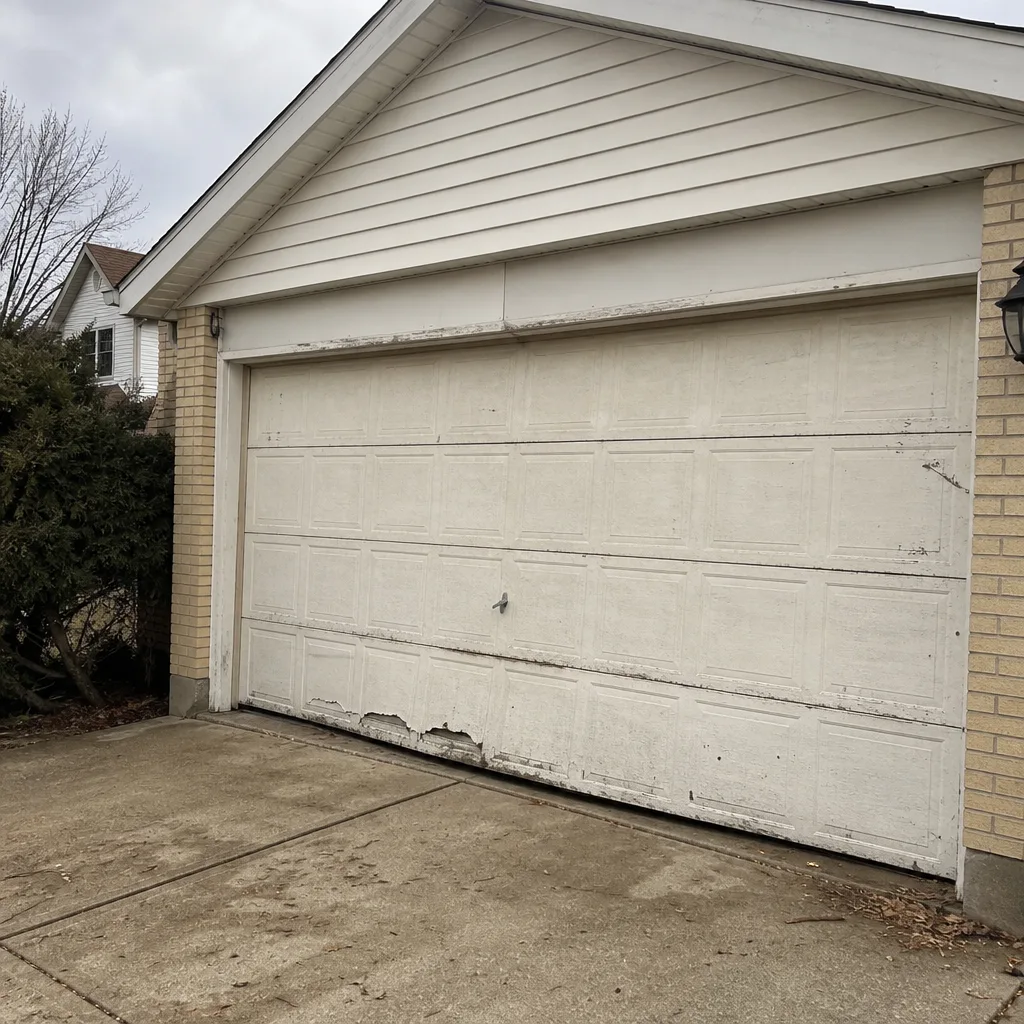 Before
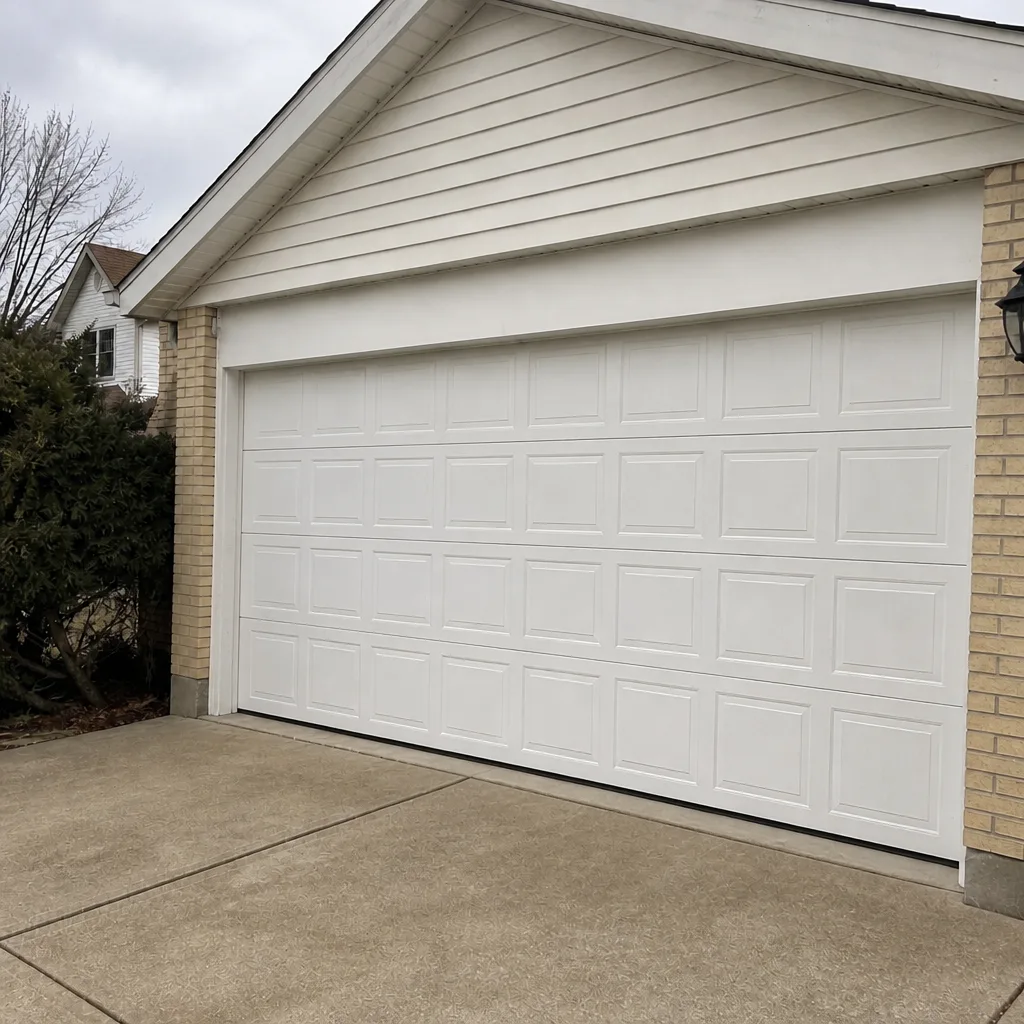 After
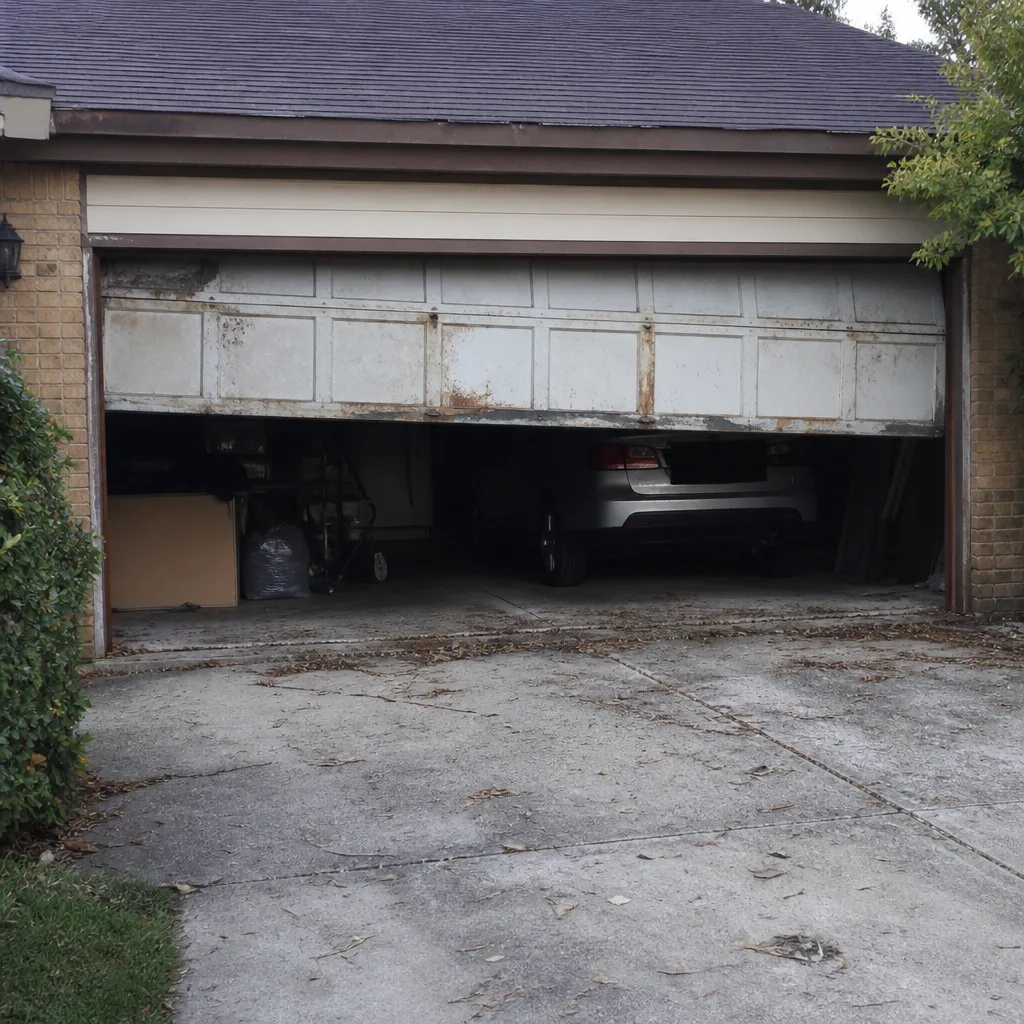 Before
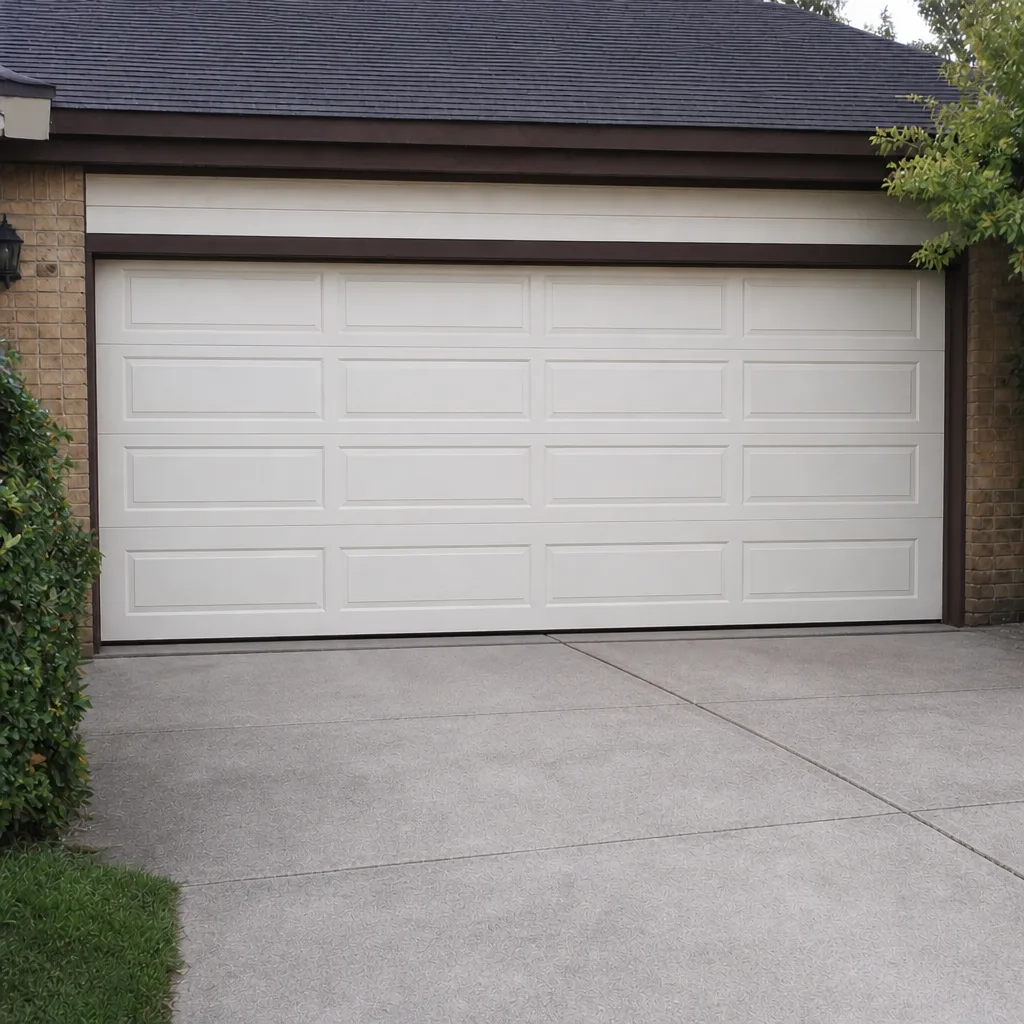 After
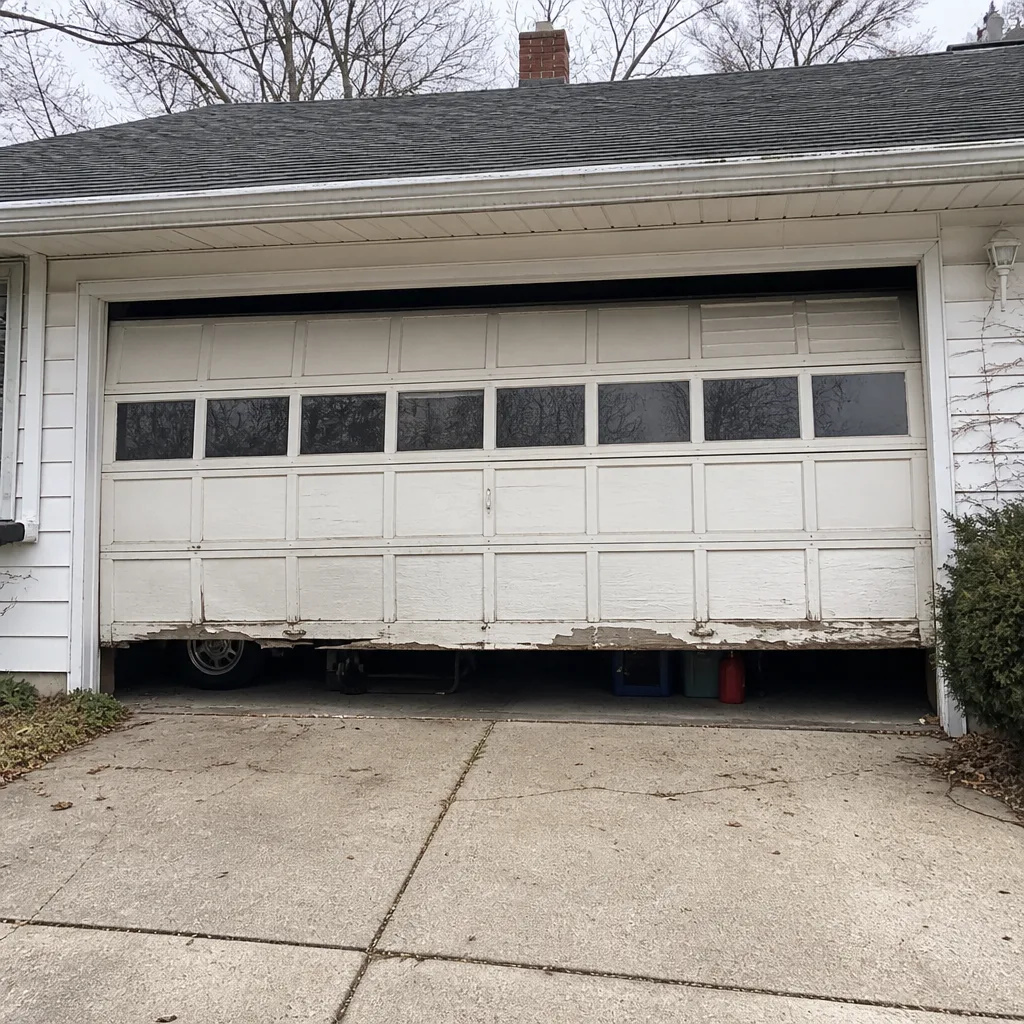 Before
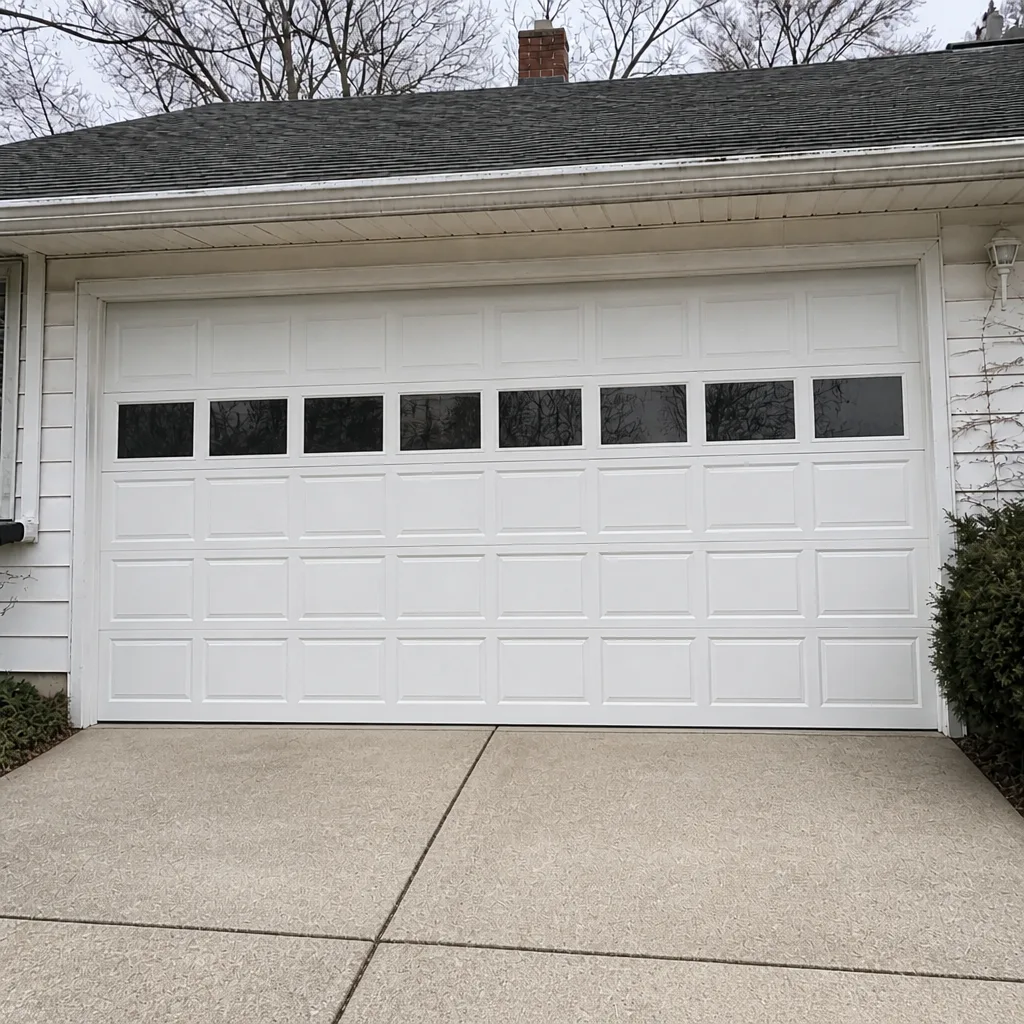 After
When to Call a Professional
You can handle lubrication, track cleaning, and gentle seal clearing yourself. You should call a professional for the spring and cable side of the door: those carry stored energy and are genuinely dangerous to work on without training. Call us if you see a frayed cable, a sagging or noisy torsion spring, a door that binds or won’t close evenly, an opener that reverses for no apparent reason, or a frozen seal you can’t safely free. We also handle emergency situations where a stuck or broken door leaves your home unsecured or traps your car; emergency service is a standing offering, not a premium add-on. Garage Door Repair St. Charles Pros offers free estimates in St. Charles, and you can reach us at (888) 778-7498.
Frequently Asked Questions
The best time is March, right after the spring thaw, and again in October before the first hard freeze. Those two visits catch the freeze-thaw damage and the winter prep that matter most here. A single diagnosis in fall covers the whole set of components that tend to fail in winter.
Most likely a frozen bottom seal or ice under the door. Meltwater on the apron runs under the seal and refreezes, gluing the door down. Clear the surface ice gently with a plastic scraper and break up the seal edge, then test a full open-close cycle. If it still won’t move, call a technician.
No. The torsion spring is the most dangerous component on the door because it stores a large amount of energy under tension. Replacing it without proper winding bars and training can cause serious injury. This is a job for a trained technician, and it’s one of the core services we handle as a dedicated, safety-first repair.
Don’t force the door up. Break up surface ice with a plastic scraper, gently free the seal at the edge, and clear snow from the apron so it doesn’t melt and refreeze under the door. Once the seal is free, test one full open-close cycle before running the door unattended.
Yes. As temperatures rise, the door’s metal expands slightly and the opener’s force and travel settings can drift. If the door is reversing halfway up or the opener strains, the limits may need adjustment. On LiftMaster and Chamberlain units you can adjust some settings from the app; on legacy Genie and Craftsman units it’s done at the limit switches.
A frayed cable, a worn bottom seal, and a sagging or noisy spring should all be addressed before winter. Those are the components where a small problem in October becomes an emergency by February. If in doubt, have a technician look at all three in one visit.
The Bottom Line
Garage door care in St. Charles follows the Fox Valley’s weather, and that weather is not evenly paced: March and October are the pivot points around the freeze-thaw cycle, while summer is about humidity and winter is about frozen seals and sluggish springs. Inspect in March, prepare in October, and don’t force anything that’s stuck. Leave the spring and cable work to a trained technician; it’s the one part of the door worth respecting. If you’d rather hand off the checklist, our technicians have up to 14 years of experience with LiftMaster, Chamberlain, Genie, Raynor, and the brands most St. Charles homes have. One call covers repair, replacement, or installation. Call (888) 778-7498 for a free estimate, and we’ll help you build a plan that fits your door and your schedule.
Written by the team at Garage Door Repair St. Charles Pros.