Last updated November 22, 2026
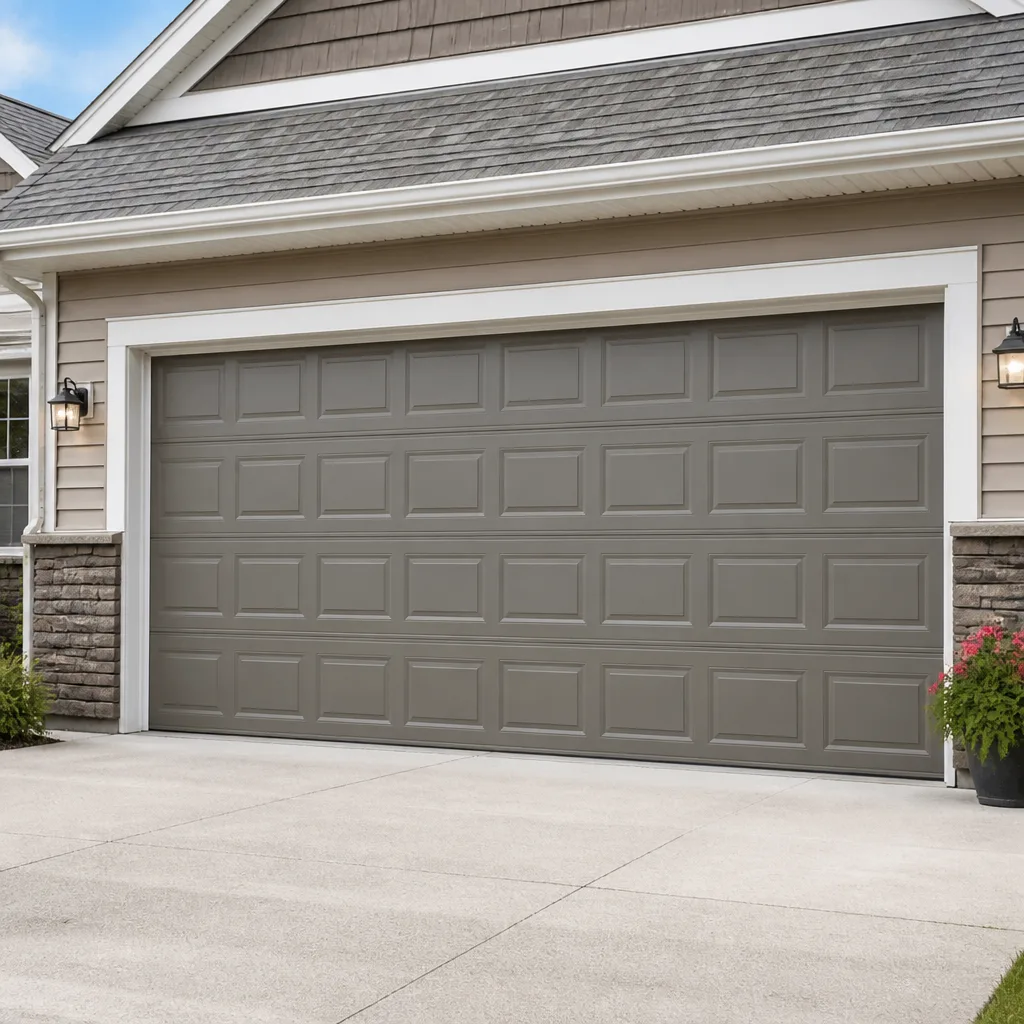 Raised-panel steel
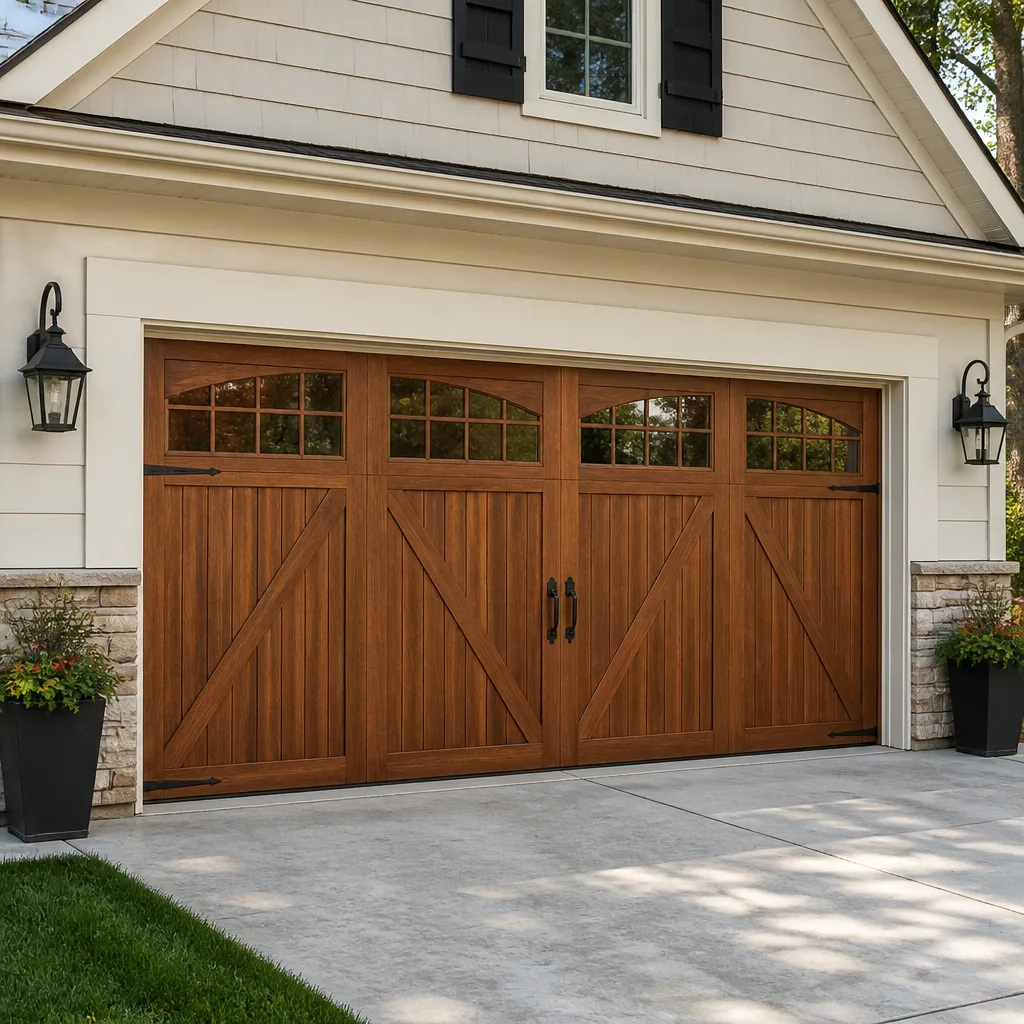 Carriage house
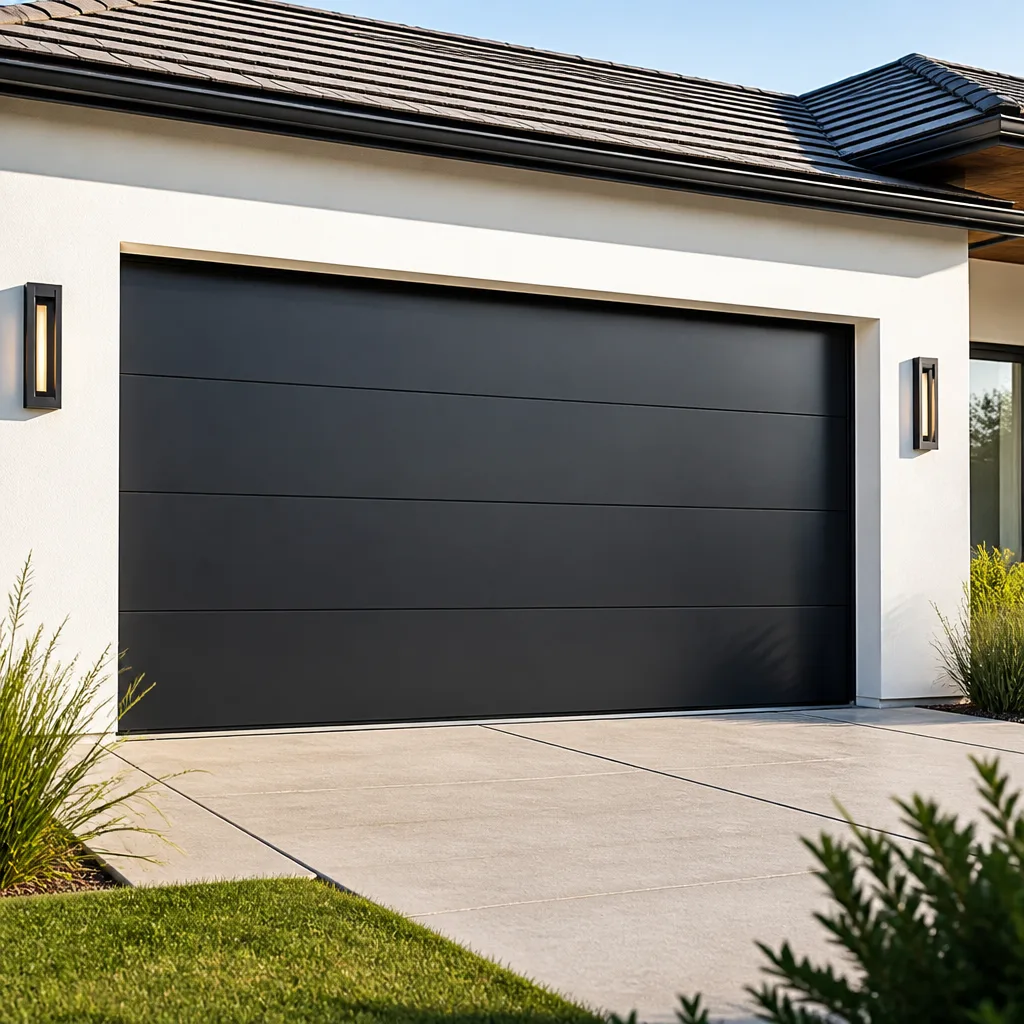 Modern flush
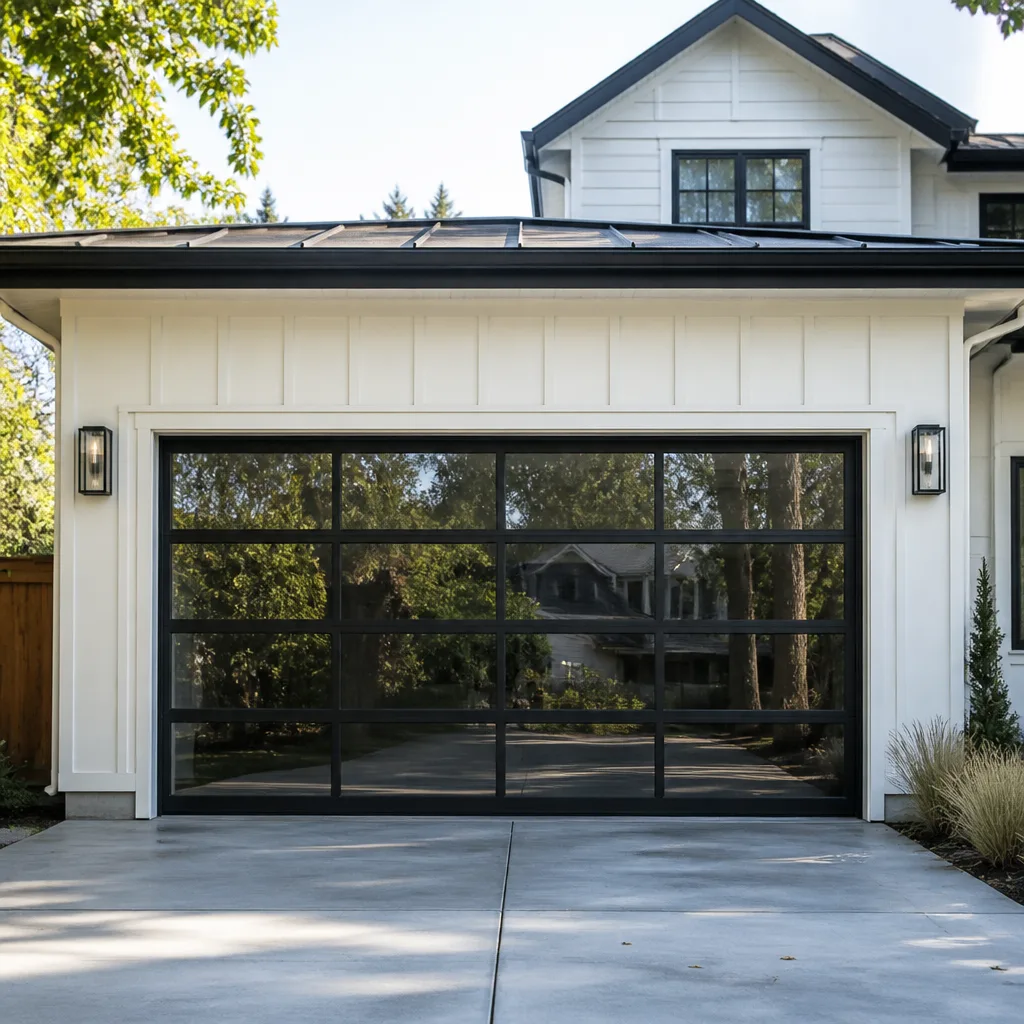 Full-view glass
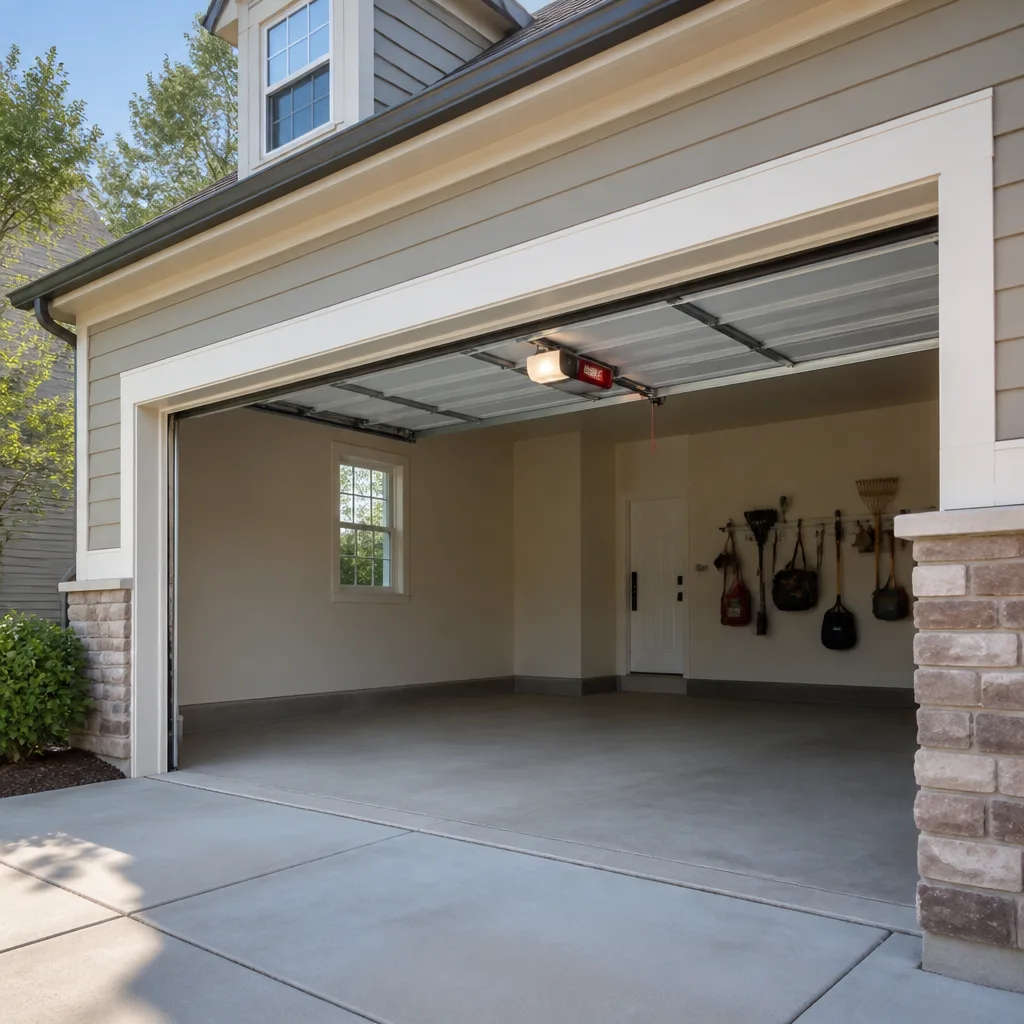 LiftMaster openers
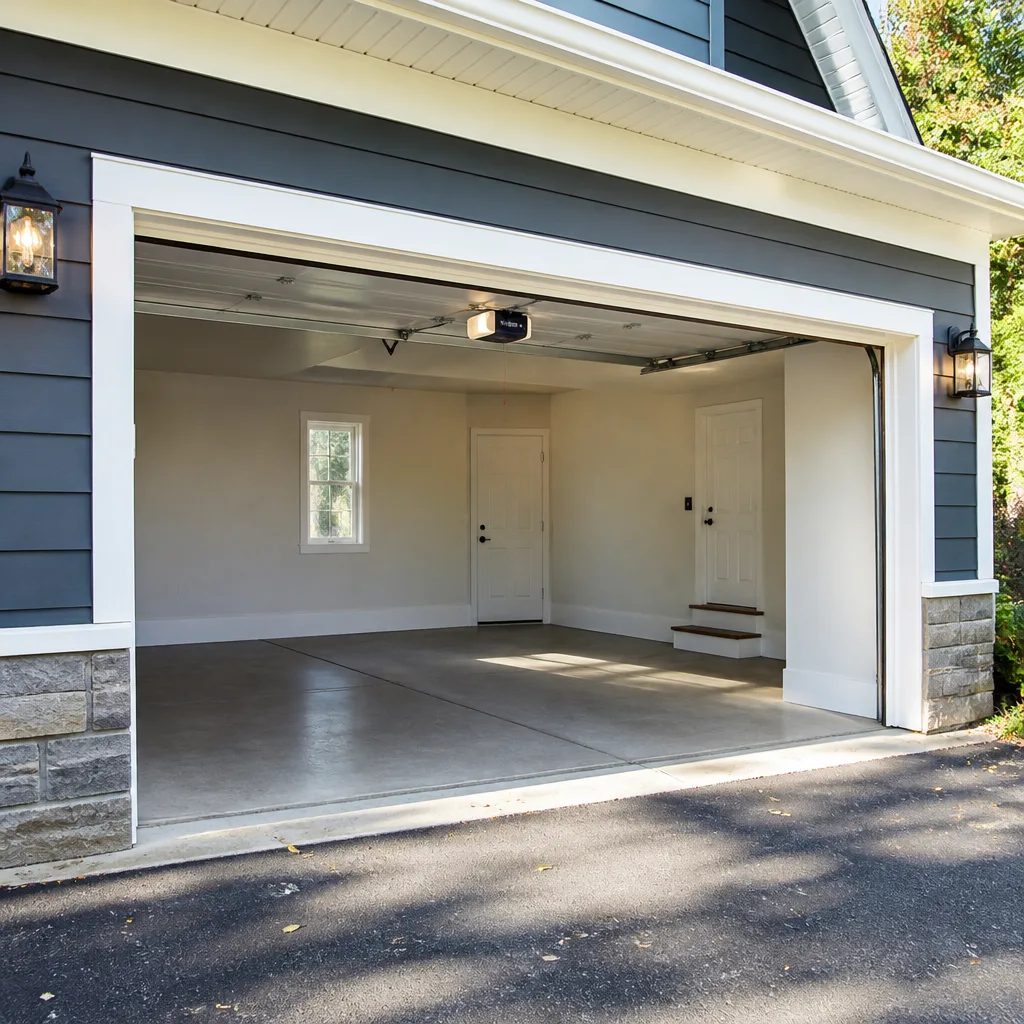 Chamberlain openers
Full 25-point door and opener safety check with every visit - springs, cables, rollers, tracks, and your LiftMaster or Chamberlain opener included
You get a price before we start. It does not change when the pro arrives.
Get your free estimateGarage Door Repair Troubleshooting in St. Charles: Common Problems and How to Fix Them
Two doors can look broken in exactly the same way and need completely different repairs. A door that reverses before it closes and a door that won’t move at all both greet you as a wall of stubborn steel, yet one is usually a sensor alignment you can correct in minutes and the other can be a broken torsion spring that makes the door unsafe to touch. Guessing wrong wastes a weekend and, in the worst case, gets someone hurt. This guide teaches you to read the symptom before you reach for a tool: six mechanical categories, what each one sounds and looks like, which fixes are genuinely safe to handle yourself, and when a St. Charles door needs a trained technician.
Styles & brands we work with
- Raised-panel steel
- Carriage house
- Modern flush
- Full-view glass
- LiftMaster openers
- Chamberlain openers
Quick Answer
Most garage door problems in St. Charles fall into one of six categories: sensor and safety-reverse faults, opener or remote failures, spring and cable breaks, track and roller damage, balance and alignment problems, and panel or structural impact damage. Match the symptom to the category first, and you’ll know within a minute whether it’s a safe DIY check or a job for a professional. Anything involving springs or cables should always go to a trained technician.
Key takeaways:
- Identify the symptom category before assuming a cause; identical symptoms often trace to different systems.
- Safety sensors, remotes, and visible obstructions are safe to inspect yourself.
- Springs and cables are under extreme tension and are never a DIY repair.
- A written, agreed price before work starts is the only way to avoid a surprise invoice.
Table of Contents
- The Six Categories Every Garage Door Problem Falls Into
- Why Does My Garage Door Reverse Before It Closes?
- The Door Won’t Move At All: Opener, Spring, or Power?
- You Heard a Loud Bang: Broken Spring or Something Else?
- Grinding, Squealing, and Partial Movement
- Brand-Specific Quirks Around St. Charles
- Which Fixes Are DIY-Safe and Which Are Dangerous
- The Two-Minute Checklist a Pro Runs on Arrival
- Common Mistakes to Avoid
- When to Call a Professional
- Frequently Asked Questions
- The Bottom Line
The Six Categories Every Garage Door Problem Falls Into
Reading a door like a technician starts with sorting the complaint into the right bucket. Nearly every call we take in St. Charles is one of these six:
- Safety-reverse and sensor faults. The door starts down, then stops and climbs back up. The photo-eye sensors, their wiring, or an obstruction in the path are the usual suspects.
- Opener, remote, and control failures. No response to the remote or wall button, a humming motor that doesn’t lift, or a unit that responds to one control but not another.
- Spring and cable breaks. The door suddenly feels impossibly heavy, hangs at an angle, or makes a sharp snap. Both springs and cables sit under dangerous tension.
- Track and roller damage. Grinding, jumping, or a door that catches partway. Bent track or worn rollers cause most of it.
- Balance and alignment problems. The door opens unevenly, drifts down on its own, or sits crooked. Spring tension and hinge wear are common causes.
- Panel and structural damage. A dented, split, or misaligned panel, often from an impact. This affects insulation, security, and how the door seals against the weather.
Years of experience across these categories is what makes diagnosis fast. Our technicians have up to 14 years of experience, so when you describe a symptom on the phone, we can usually narrow it to a category before we arrive and save you a diagnostic back-and-forth. You can also start with Garage Door Repair St. Charles Pros if you’d rather just get a pro on the phone.
Why Does My Garage Door Reverse Before It Closes?
A door that reverses before it closes is almost always a safety-sensor issue, not a mechanical failure of the door itself. The safety-reverse system is designed to send the door back up the moment it senses an obstruction, and most of the time it’s doing its job against an invisible problem rather than a broken part.
Work through these in order, because they’re the same checks a technician starts with:
- Look at the sensors. The two photo eyes near the floor should have a steady light on each side. A blinking or dark light points to misalignment, dirt, or a dead sensor.
- Clear the path. Cobwebs, a fallen leaf, a recycling bin edge, or a spider web across one lens can trip the beam. Wipe the lenses with a soft cloth.
- Check alignment. The sensors should face each other squarely. If one has been nudged, the beam misses and the door reverses.
- Inspect the wiring at the base. A nick in the low-voltage wire near the floor is common and can interrupt the signal.
- Test the force setting only if the above are clean. On many openers the travel and force limits have drifted, but adjusting them is best left to someone who knows the correct spec for your unit.
Here’s the piece most homeowners miss: the sensors and wiring in St. Charles garages take a beating from the freeze-thaw cycle and the road salt tracked in on winter boots. A door that worked all summer can start reversing in January purely because moisture and cold have crept into an exposed sensor wire. If you’ve cleaned and aligned the eyes and the door still reverses, the next step is a proper diagnostic, and garage door repair is the service to book.
The Door Won’t Move At All: Opener, Spring, or Power?
When nothing happens, the goal is to separate a dead opener from a dead door. The test is simple: pull the emergency release cord (usually a red handle) to disconnect the door from the opener, then try to lift the door by hand. This tells you which half of the system is failing.
- If the door lifts easily by hand but the opener won’t move it: the problem is in the opener, the remote, the wall control, or the power supply. This is squarely opener territory.
- If the door is extremely heavy or won’t budge by hand: the springs or cables have failed, or the door is jammed in the track. Do not force it; a door in this state can fall.
- If the opener hums but the door doesn’t move: the motor is running but the drive is disconnected, stripped, or the door is too heavy for it because a spring has weakened.
On the opener side, a few quick checks catch the simple causes. Confirm the wall outlet has power, replace remote batteries, and check whether the wall button works while the remote doesn’t (which points to a remote or receiver issue). LiftMaster and Chamberlain units often have a small LED near the learn button that tells you what the receiver is doing. Craftsman and Genie systems of a certain age behave differently, and misreading those indicator lights sends a lot of homeowners down the wrong path.
If the door is heavy by hand, stop there. That’s a spring problem, and it’s one of the jobs we handle as a dedicated safety procedure. Our garage door opener repair covers the motor and control side, while spring failures go to a specialist.
You Heard a Loud Bang: Broken Spring or Something Else?
A sharp bang from the garage, followed by a door that suddenly feels bottomless when you try to lift it, is the classic signature of a broken torsion spring. Torsion springs run above the door on a metal shaft, and when one snaps the stored energy releases in an instant. The door becomes dangerously heavy because nothing is counterbalancing it anymore.
How to confirm it without touching anything:
- Look at the spring itself. A torsion spring that has failed usually shows a visible gap in the coil. Extension springs (the older style that run along the sides) may show a stretched or dangling spring.
- Check the door’s weight. With the door disconnected from the opener and raised a foot or so, it should feel manageable. If it feels like dead weight, the spring is gone.
- Look for a hang. A door that sits crooked or hangs on one side often has a broken spring on one side or a snapped cable.
A loud bang isn’t always a spring. A cable can snap, a track bracket can tear loose, or a torsion shaft can break. But the safe response is the same for all of them: leave the door down, keep vehicles and children clear, and call for help. Do not try to force the door up, and never attempt to wind or unwind a spring yourself. This is why spring work is its own service and not folded into general repair; garage door spring repair is the call for exactly this situation.
One local note: in St. Charles, a spring that’s been weakened over a long, cold winter can let go on the first warm weekend of spring, when the temperature swing puts extra stress on a tired coil. A door that’s felt heavier than usual for weeks is worth a spring check before it fails in the driveway.
Grinding, Squealing, and Partial Movement
Noise and partial travel point to the mechanical track-and-roller system more often than to the opener. A door that grinds, squeals, or stops partway is telling you where the friction is, if you listen.
What each sound usually means
- Metal-on-metal grinding: worn rollers or a bent track the rollers can’t follow smoothly.
- High-pitched squeal: dry hinges and rollers, or a torsion shaft that needs lubrication. Most garage door hardware needs periodic lubrication, and a squealing door is often overdue.
- A door that jumps or shudders: a roller out of the track or a bent section of track.
- A door that stops partway up: the opener’s travel limits are set wrong, the door is binding, or a spring has weakened and the opener can’t compensate.
Lubrication is a genuinely safe DIY task. A little garage door lubricant on hinges, rollers, and the torsion shaft (from the outside, never reaching into the spring area) quiets many doors and extends roller life. Tightening loose track bolts is also fair game, but never bend a track back into shape by force; a track that’s been knocked out of alignment needs a proper adjustment because a door out of the track can come down hard.
If the noise continues after lubrication and a visual inspection, the cause is usually mechanical and worth a professional look. In St. Charles, doors that face the street take the worst of the winter wind and the drifting snow that packs against the bottom seal, and that load stresses rollers and hinges. A worn bottom seal or roller can also let cold air and moisture in, so a partial-movement complaint is a good time to check the whole assembly, not just the noisy part.
Brand-Specific Quirks Around St. Charles
Error codes and indicator lights look like they mean the same thing across brands, but they don’t. Two openers showing a “door won’t close” symptom can be signaling entirely different faults, and reading the wrong one sends you to the wrong repair.
Some patterns we see working on brands like LiftMaster, Chamberlain, Genie, Clopay, Amarr, Wayne Dalton, Craftsman, and Raynor:
- LiftMaster and Chamberlain share a lot of the same heritage and use similar learn-button LED behavior, but the meaning of a given blink pattern differs between a Wi-Fi-enabled unit and an older one. A receiver fault and a safety-sensor fault can both present as “remote works some days.”
- Genie units often show their trouble through a different light sequence, and the safety-reverse logic behaves differently on some of the older screw-drive models than on the belt-drive units most St. Charles garages now have.
- Craftsman openers, many of which are effectively rebadged units from the same manufacturers, are common in older St. Charles homes and can be finicky with modern smart-home remotes. The fix isn’t a new opener; it’s matching the remote or receiver correctly.
- Clopay and Amarr doors come in panel and hardware styles that affect how a repair or a replacement panel has to be sourced. Knowing the door brand up front saves a second visit.
This is where brand familiarity pays off. We’re factory-familiar with those eight brands, which means our technicians come prepared not just for the door, but for the specific opener and door hardware a St. Charles home is likely to have. If you’re not sure which unit you own, a photo of the back of the opener head is enough to identify it. That’s the difference between a technician guessing and a technician arriving with the right part.
Which Fixes Are DIY-Safe and Which Are Dangerous
Some garage door problems are genuinely safe to handle yourself. Others carry real risk and belong to a trained technician. Knowing the line is the difference between a quick fix and an injury, and the line isn’t always where people expect it.
Safe to do yourself
- Replacing remote batteries and re-pairing remotes to the opener.
- Wiping and realigning the safety sensors (without rewiring).
- Lubricating hinges, rollers, and the track (according to the hardware, never the spring).
- Clearing obstructions from the door’s path and checking for cobwebs across the sensors.
- Tightening loose track bolts.
Leave to a trained professional
- Any work on torsion springs or extension springs. A winding or unwinding operation stores enormous energy; a slip can break bones or do worse.
- Replacing or adjusting cables. A snapped cable can whip with dangerous force, and a door hung on a failed cable can fall.
- Bending track back into shape. A misaligned track can drop the door.
- Adjusting opener force and travel limits if you don’t know the correct spec for your unit; a door set too tight is a safety hazard every time it closes.
- Any electrical work inside the opener housing beyond replacing a battery.
Sensors are the counterintuitive case. A $12 sensor adjustment and a broken torsion spring both look like “the door won’t work from the outside,” yet they’re at opposite ends of the risk scale. If your instinct is to force anything, stop and let a professional handle it. The professionals we connect you with are state-licensed and insured as their state requires, and they won’t charge you to tell you what’s wrong.
The Two-Minute Checklist a Pro Runs on Arrival
You can run the same observation sequence a technician walks through at the start of a repair. It takes about two minutes and helps you describe the problem clearly when you call, which can cut the time to a fix.
- Watch the door cycle once. Open and close it and watch the whole travel. Note where it reverses, stops, or moves unevenly.
- Check the safety sensors. Are both lights steady? Any obstructions or dirt on the lenses?
- Test the controls. Try the wall button, then the remote. If one works and the other doesn’t, note which one.
- Listen. Grinding, squealing, a bang, or a hum without movement all point to different categories.
- Look at the springs and cables. Any visible gap in a torsion spring, or hanging extension spring or cable? Look, don’t touch.
- Inspect the track and rollers. Is the track visibly bent? Are any rollers out of the channel? Any loose bolts?
- Try the door by hand with the opener disconnected. If it’s heavy, that’s a spring or cable problem; don’t force it.
Write down what you find. When you call, a description like “the door reverses about two feet off the floor, both sensor lights are blinking, and the wall button works fine but the remote doesn’t” lets a technician narrow the cause before they arrive and arrive with the right approach. That small preparation is worth it whether you’re in St. Charles or anywhere nearby.
Common Mistakes to Avoid
- Forcing a door that won’t move. If the door is heavy by hand, the springs are involved, and forcing it invites a fall or a torn track.
- Assuming every reversal is a sensor. Sensors cause most reversals, but a binding track or a weak spring can mimic the same behavior, and cleaning the sensors won’t fix either.
- Lubricating the springs. A little lubricant on hinges and rollers helps, but reaching into the spring area is dangerous; leave the spring alone.
- Bending a bent track by hand. A track knocked out of alignment needs a proper adjustment or replacement; bending it can drop the door.
- Ignoring a door that’s been getting heavier. A slowly weakening spring feels fine until the day it snaps; schedule a check before that happens.
- Letting a bottom seal fail through the winter. In St. Charles, a worn seal lets snow and road grime into the opening and stresses the door every cycle. Replace it when it cracks.
- Calling a generalist for a brand-specific problem. A handyman who doesn’t know your opener’s brand is guessing; the right fix comes from someone familiar with the unit.
When to Call a Professional
Call for a professional when the door won’t move at all, when you find a broken spring or cable, when a track is bent or the door hangs crooked, or when the door reverses after you’ve cleaned and aligned the sensors. Those situations carry real safety risk or need brand-specific parts. Also call when a repair has already been attempted once without success; a second attempt at the wrong part can do more harm. Garage Door Repair St. Charles Pros offers free estimates in St. Charles and we can work with your insurer if damage is part of the picture. If your door has failed and you’re not sure what’s wrong, we’re ready to help: call (888) 778-7498 and describe what the door is doing.
Frequently Asked Questions
Typical repairs in the St. Charles area range from a small sensor or opener adjustment up into several hundred dollars for more involved mechanical work. Spring replacement is priced per spring, and a matched pair is usually replaced together, so a pair costs roughly twice the single-spring figure. The written estimate sets the final price, and we quote and agree it before any work starts. Call (888) 778-7498 for an exact quote; estimates are free.
Most repair calls are handled same day when you call early in the day, and emergency service is available for doors that trap a car or leave a home unsecured. Emergency service is a standing part of what we do, not a premium add-on. Call (888) 778-7498 and we’ll tell you what’s available.
No, the written quote is the price. If we discover something beyond the original quote when we’re on site, we’ll tell you before doing that work and get your agreement first. You never get an invoice bigger than the price you agreed to. Call (888) 778-7498 for a free estimate.
Yes, the local professional we connect you with is licensed and insured as their state requires. Our technicians have up to 14 years of experience, and the team is factory-familiar with eight major door and opener brands. Call (888) 778-7498 to book a visit.
Disconnect the door from the opener with the emergency release and try to lift it by hand. If the door feels impossibly heavy, the problem is the spring or cable; if it lifts easily but the opener won’t move it, the fault is in the opener or its controls. Don’t force a heavy door; call (888) 778-7498 and we’ll schedule a safe inspection.
Usually yes. A reversing door is most often a sensor, alignment, or wiring issue rather than a door that needs replacing. Clean and align the sensors first; if the problem persists, a professional can diagnose the wiring or opener logic. Call (888) 778-7498 for an exact troubleshooting visit; estimates are free.
The Bottom Line
Reading a garage door problem is a matter of matching the symptom to one of six categories before you reach for a tool. Reversals point to sensors, no-movement complaints split into opener versus spring, a loud bang means a spring failure, and grinding means track or rollers. Fix the safe things yourself, and never touch the springs or cables. When you’re not sure, describe what the door does and let a trained technician read it; single-call resolution across repair, replacement, and installation is exactly what we do, and we’re factory-familiar with the brands your St. Charles garage is most likely to have.
Ready to stop guessing? Call (888) 778-7498 for a free estimate and we’ll get your door diagnosed and fixed.
Written by the team at Garage Door Repair St. Charles Pros.
See the difference
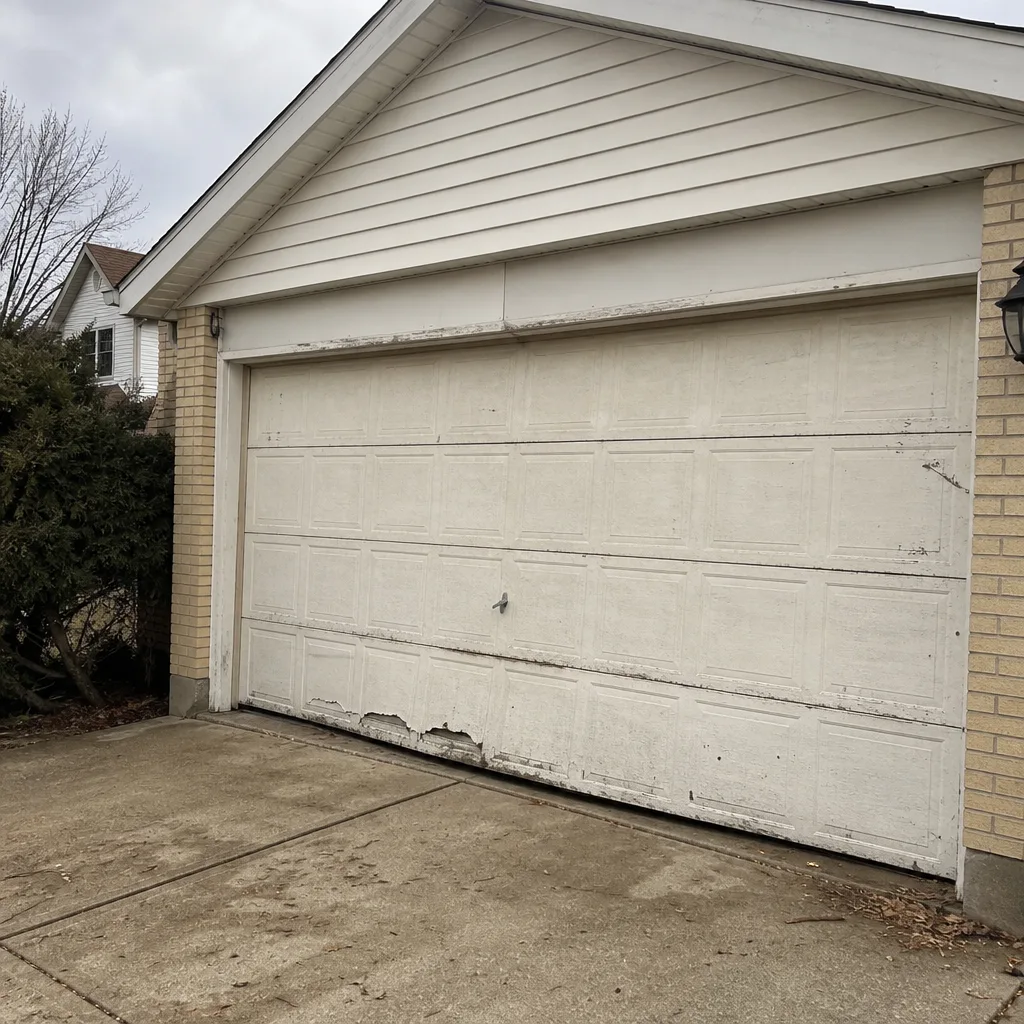 Before
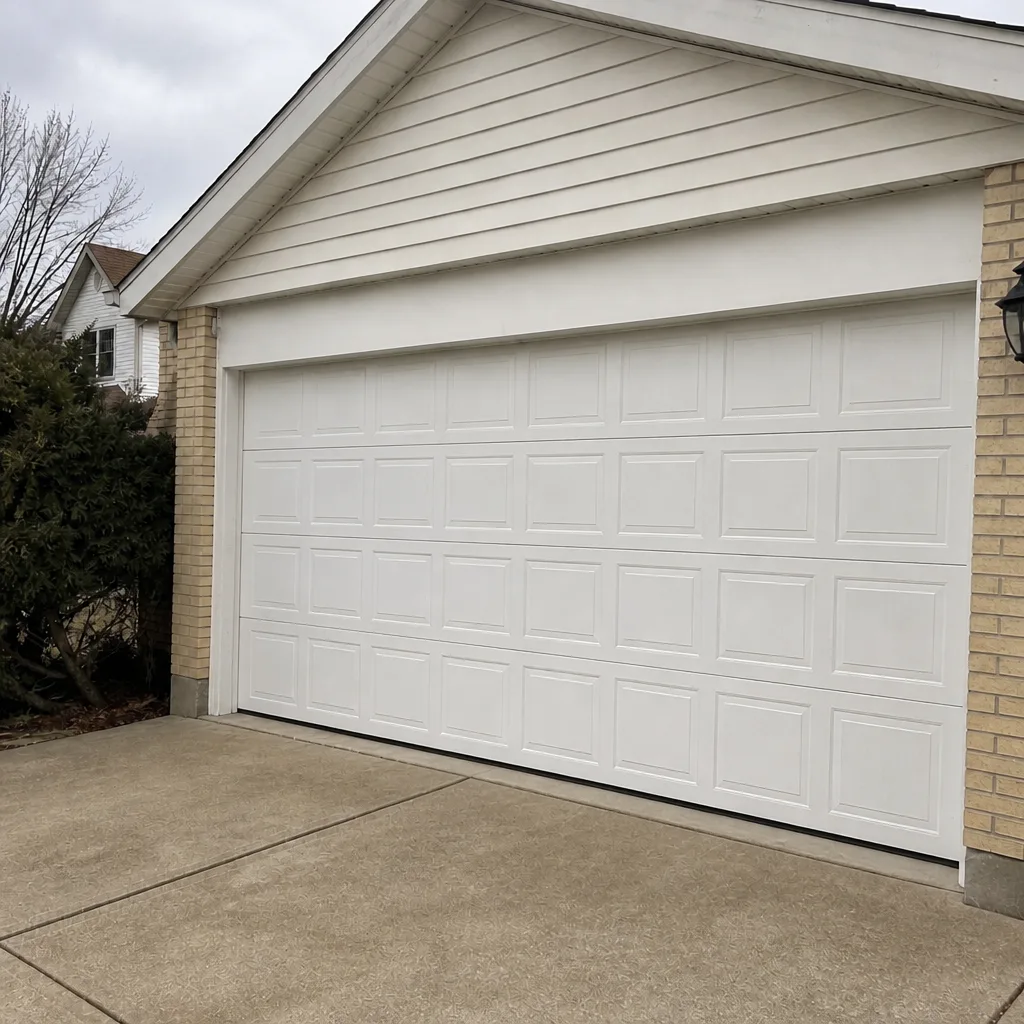 After
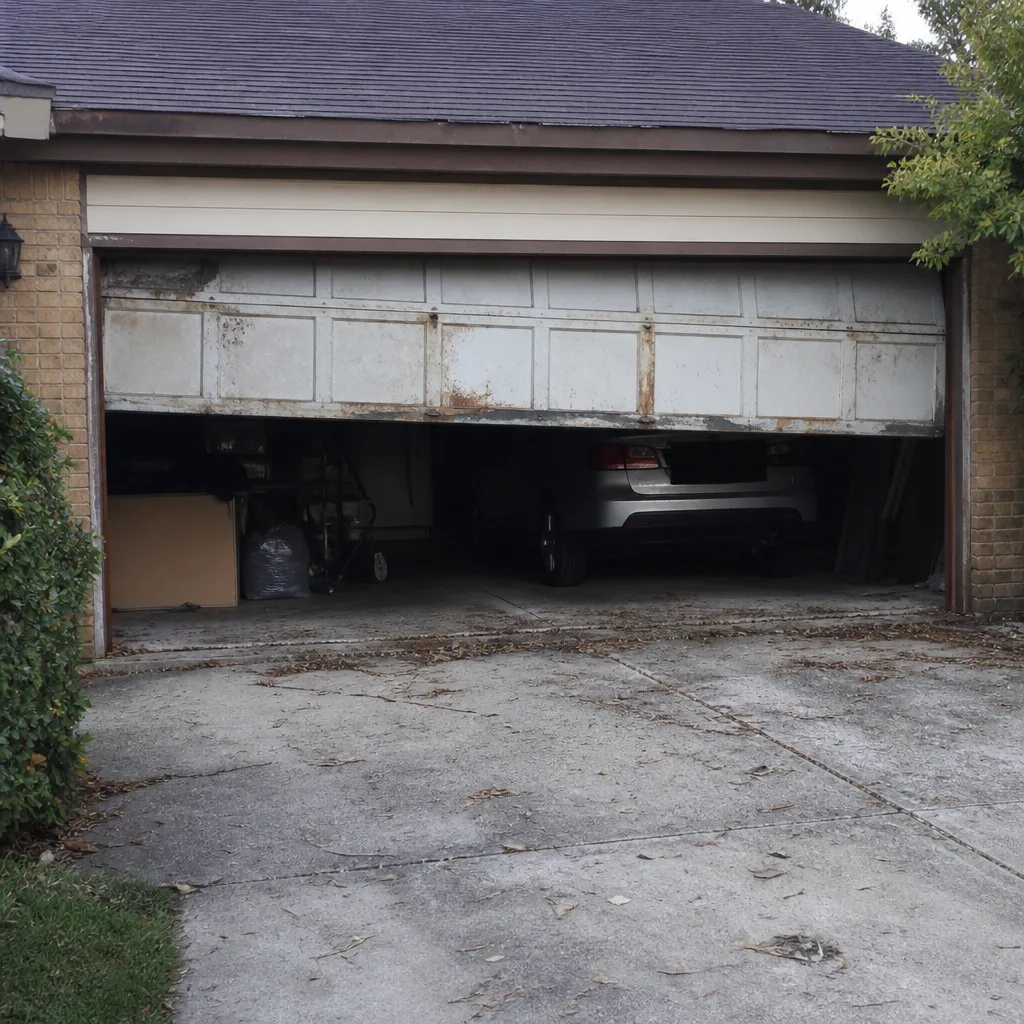 Before
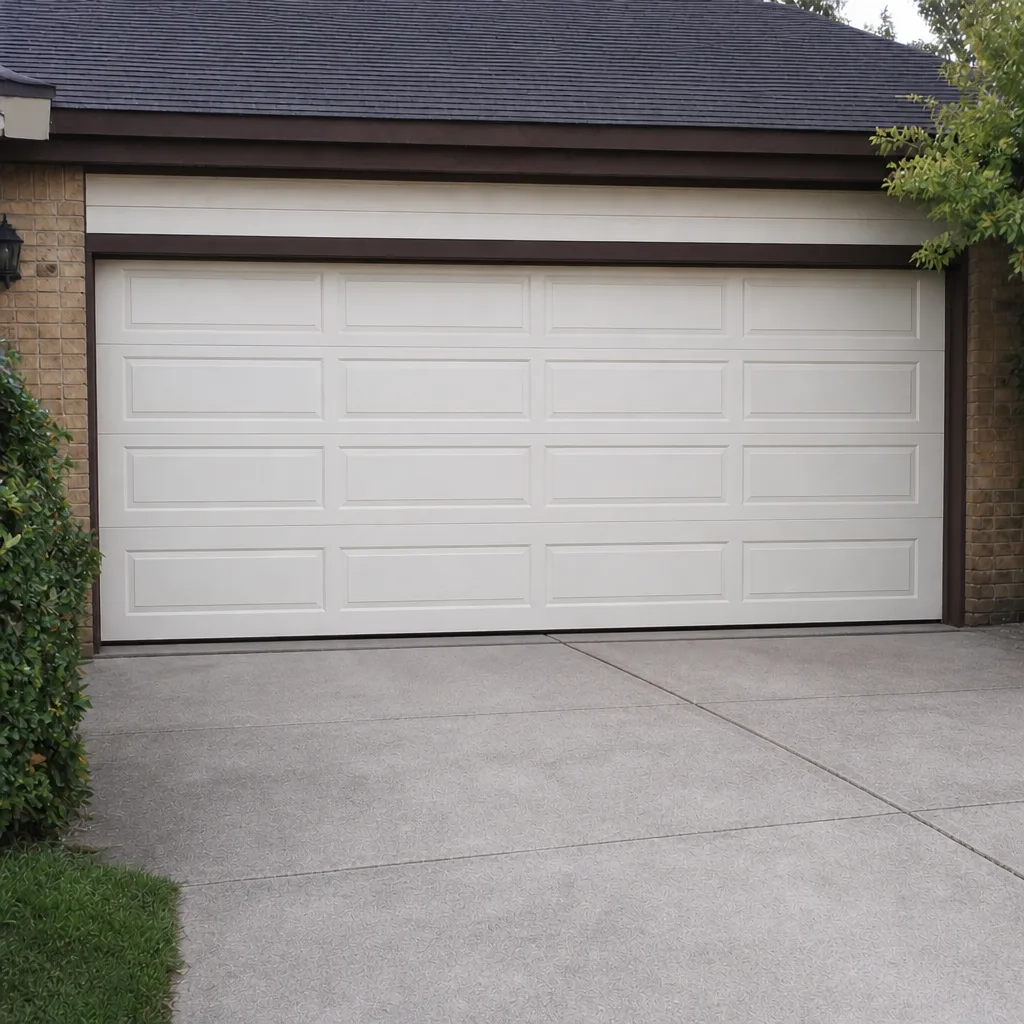 After
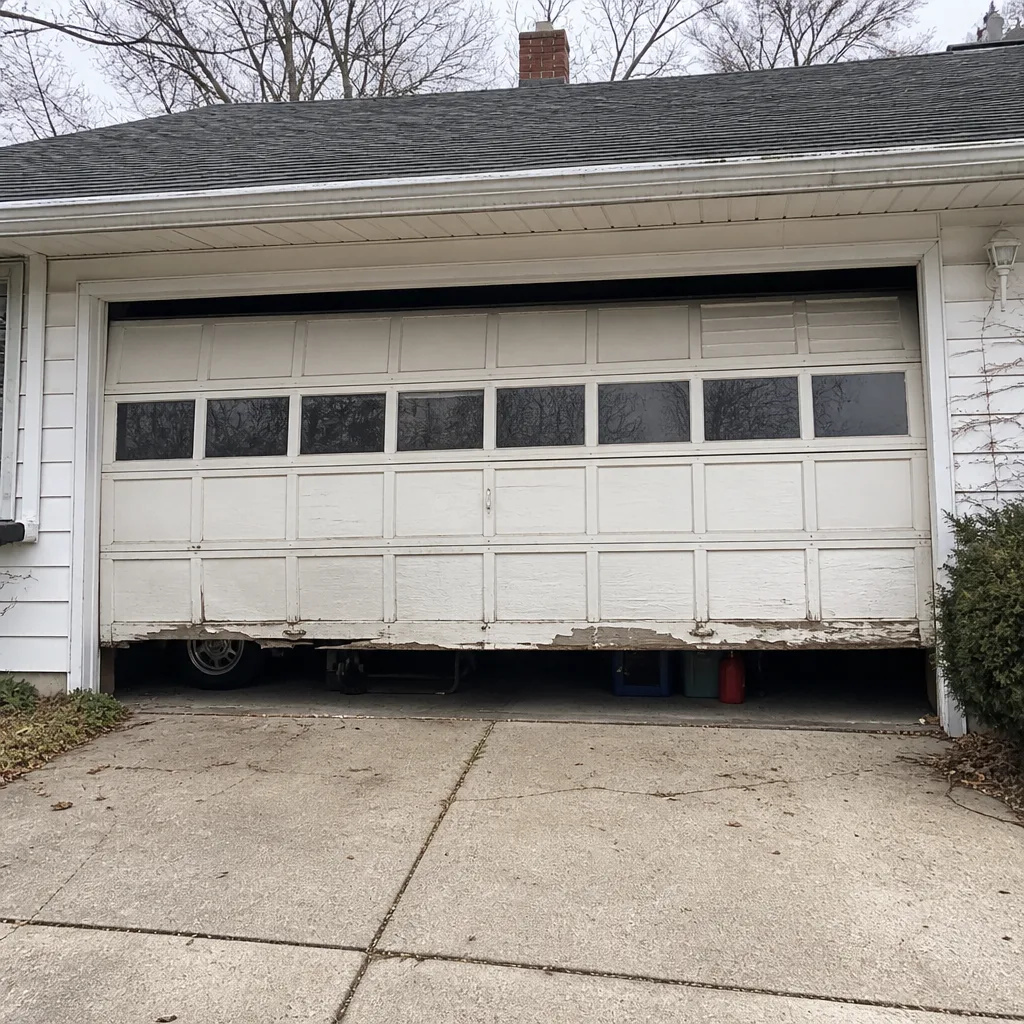 Before
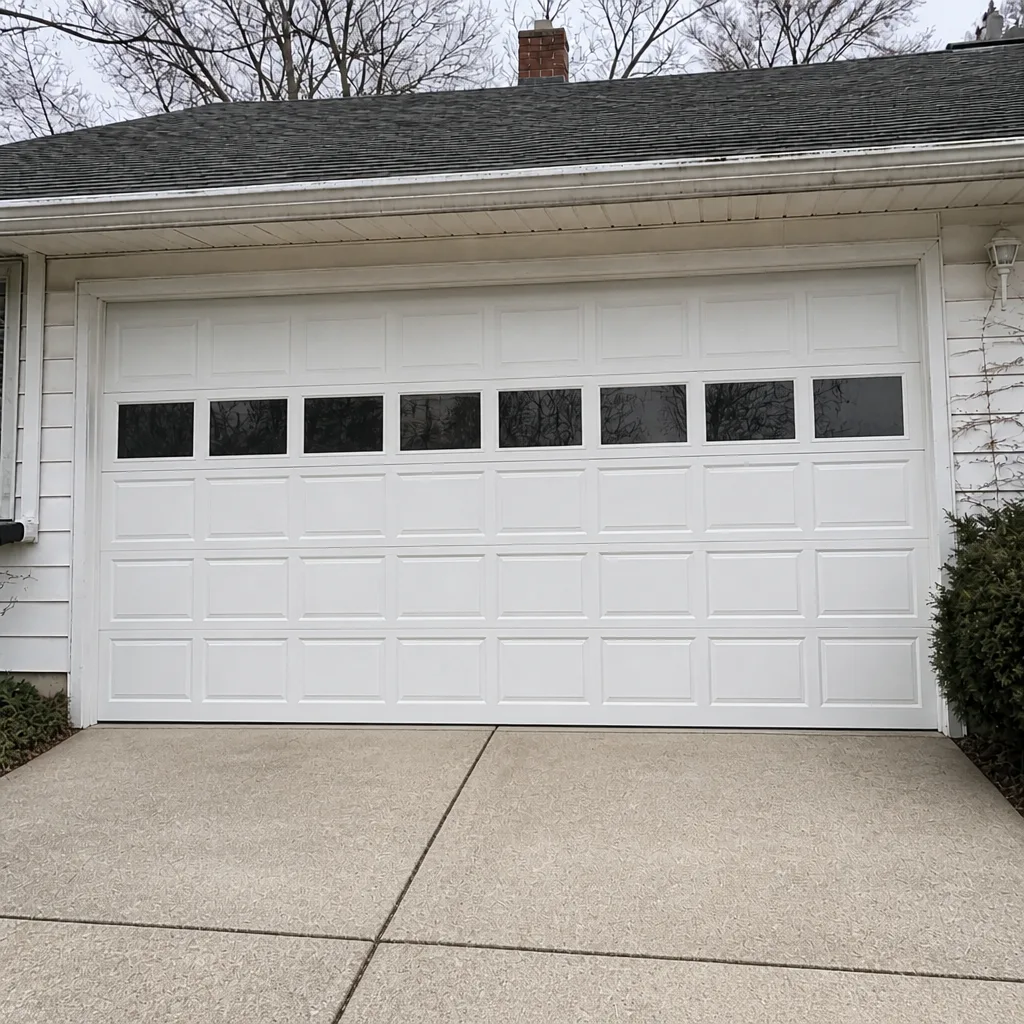 After