Last updated November 22, 2026
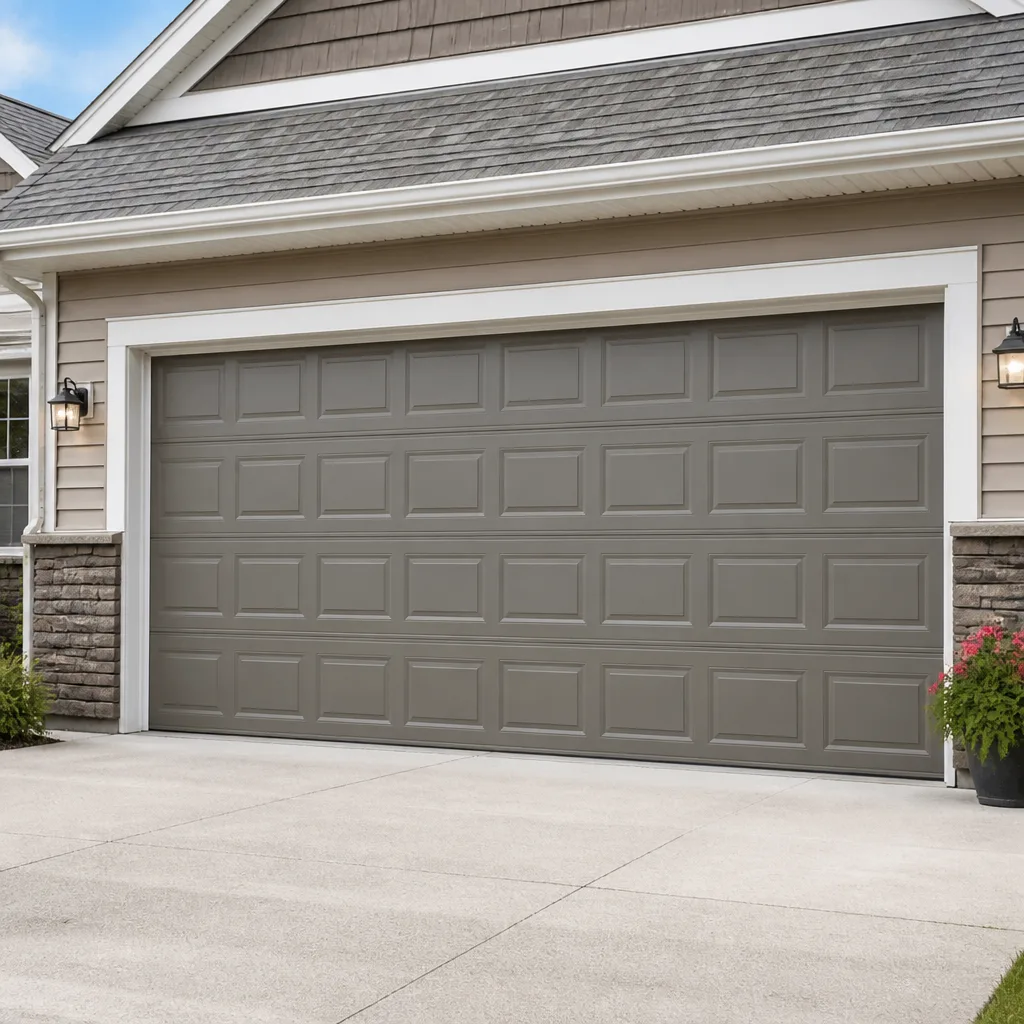 Raised-panel steel
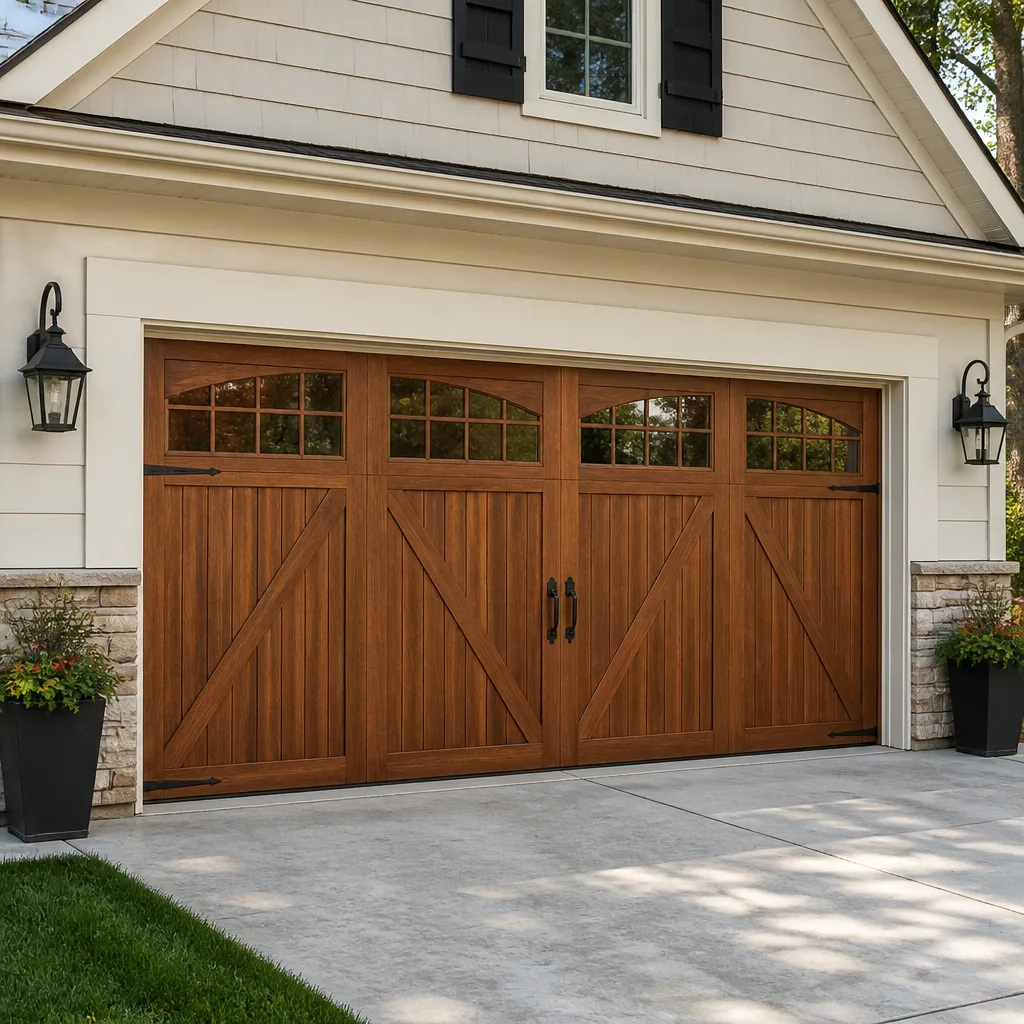 Carriage house
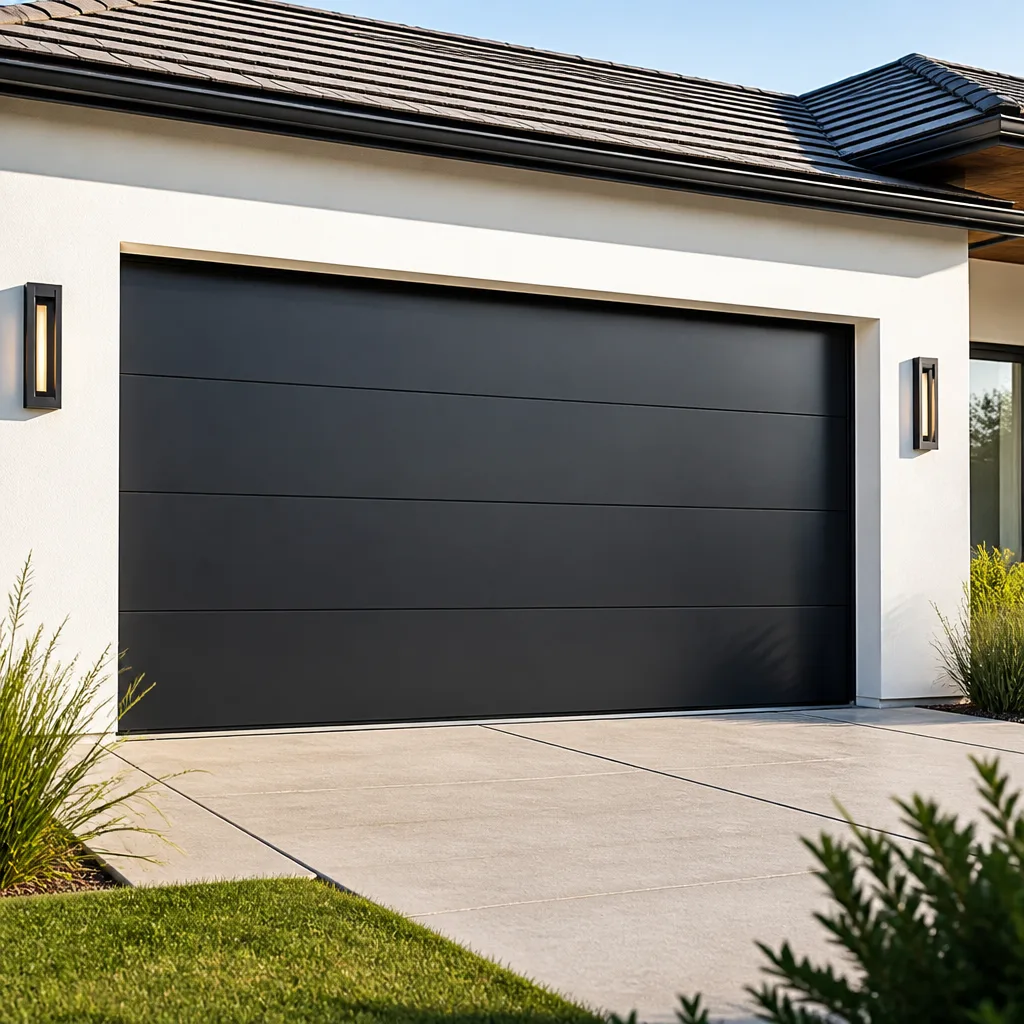 Modern flush
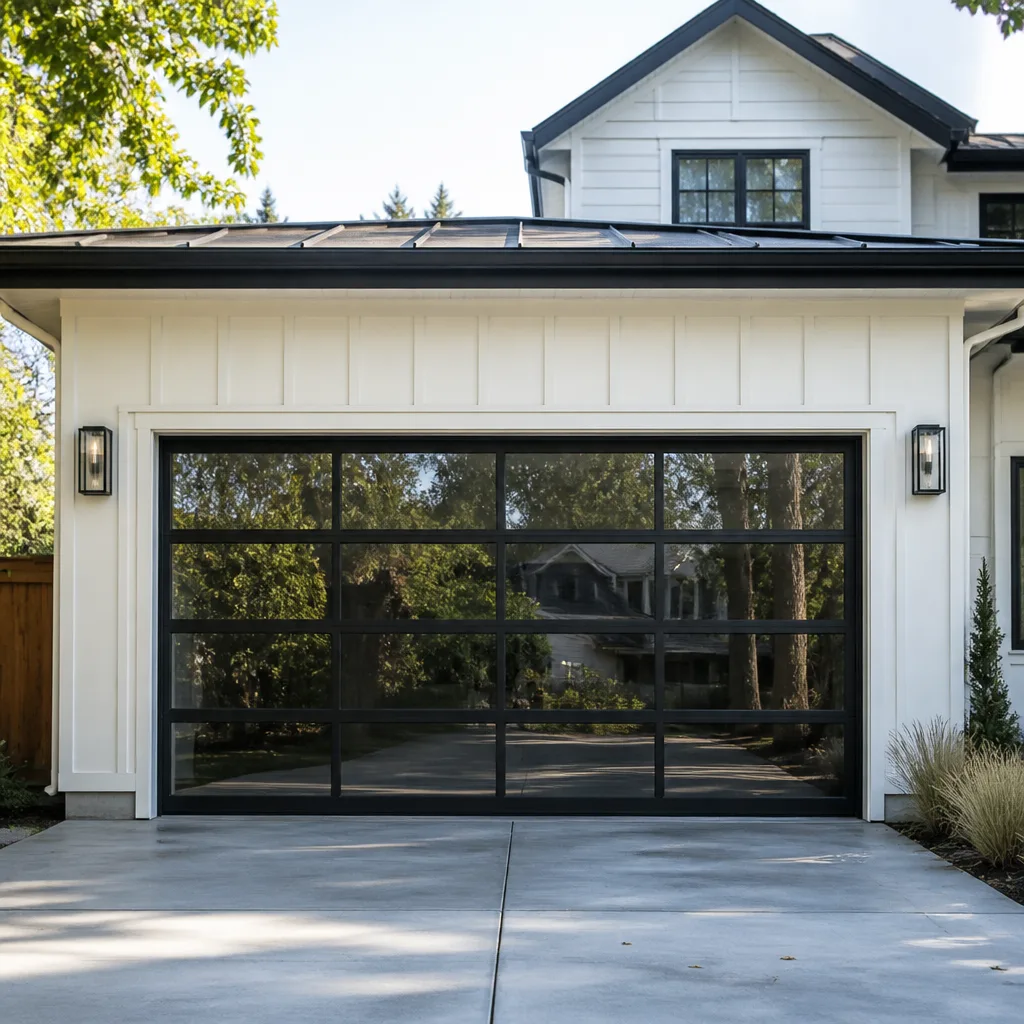 Full-view glass
 LiftMaster openers
 Chamberlain openers
Full 25-point door and opener safety check with every visit - springs, cables, rollers, tracks, and your LiftMaster or Chamberlain opener included
You get a price before we start. It does not change when the pro arrives.
Get your free estimateGarage Door Permits, Codes & Inspections in St. Charles, IL: What You Need to Know
Most St. Charles homeowners assume a garage door replacement is a simple swap that needs no paperwork. In many cases they’re right, but the exceptions are specific enough that skipping a step can stall a home sale or force a re-inspection long after the door is up. The tricky part isn’t that permits are always required or never required. It’s knowing which side of the line your project falls on. This guide walks through when the City of St. Charles requires a permit, when Kane County has jurisdiction instead, how the fire-rated wall between an attached garage and living space changes the rules, and what unpermitted work can do to an insurance claim or a closing. By the end you’ll know exactly where to look for your address.
Quick Answer
A like-for-like garage door replacement in St. Charles usually does not require a permit. A permit is typically required when you change the size of the opening, alter the structure around it, add a new opening, convert a garage to living space, or perform certain electrical work on a new opener circuit. When in doubt, confirm with the City of St. Charles building department before work starts – it’s a short phone call that protects the whole project.
Styles & brands we work with
- Raised-panel steel
- Carriage house
- Modern flush
- Full-view glass
- LiftMaster openers
- Chamberlain openers
Table of Contents
- Like-for-like replacement vs. structural change: where the permit line sits
- City of St. Charles vs. Kane County: which jurisdiction applies to your address
- Fire-rated doors and the attached-garage wall under Illinois code
- Opener replacement and electrical work: the permit gray area
- How unpermitted work affects insurance claims and real estate closings
- What an inspection of a garage door actually checks
- A step-by-step sequence for a permitted St. Charles install
- Quick-reference table: permit likelihood by project type
Like-for-like replacement vs. structural change: where the permit line sits
The clearest way to think about garage door permits in St. Charles is to ask one question: is the opening changing, or just the door? A like-for-like replacement means the new door goes into the same opening, at the same width and height, using the same mounting points and the same track configuration. The header above the opening stays put. The wall assembly around it doesn’t change. In that scenario, most municipalities – St. Charles included – treat the job as a cosmetic replacement and don’t ask for a permit.
The picture shifts the moment the opening itself is touched. These are the project types where a permit is typically required:
- New opening: cutting a new overhead door opening into a wall that didn’t have one.
- Size change: widening or heightening an existing opening to fit a larger door – which almost always means altering the header above it.
- Structural alteration: modifying the framing, header, or wall assembly around the opening.
- Material change to a rated wall: replacing a door in a fire-rated assembly with a door that isn’t rated for that assembly.
- Conversion: turning a garage into living space, which changes the use of the room and triggers a broader permit process.
- New construction: any garage door on a newly built or added structure.
There’s a middle case worth flagging: a same-size door swap where the new door weighs significantly more than the old one. If the added weight requires a heavier-duty track, reinforced mounting, or a different spring setup, the job is still a replacement – but it’s no longer purely cosmetic. That’s a good moment to call the city and describe what you’re doing in plain language. They’ll tell you whether they want to see plans.
For measurements and replacement work itself, our garage door repair service covers the structural end of this conversation, and our technicians have up to 14 years of experience reading what a wall assembly can and can’t take.
City of St. Charles vs. Kane County: which jurisdiction applies to your address
St. Charles sits across two counties – Kane and DuPage – and the city limits weave through both. That geography matters because permit jurisdiction follows municipal boundaries first. If your home is inside the City of St. Charles limits, the city’s building department is your permit authority regardless of which county the address falls in. If you’re in unincorporated Kane County, the county handles it.
Here’s how to figure out which one applies:
- Check your address on the city’s jurisdiction map or call the building department directly. Give them your street address and describe the project in one sentence.
- If you’re inside city limits, the City of St. Charles building department is your contact for the permit application and the inspection.
- If you’re in unincorporated Kane County, the county’s building and zoning department takes over. The process is similar but the paperwork and inspection schedule differ.
- If your property sits near a boundary line, confirm in writing – an email from the department confirming jurisdiction is worth keeping with your project file.
Neighborhoods on the edges of town – the areas near the Fox River, the pockets off Route 64, and the newer subdivisions pushing out toward the county line – are where jurisdiction gets confusing. It’s not unusual for two homes on the same street to fall under different authorities depending on exactly where the municipal line runs. That’s not a reason to guess. One call settles it.
For anything structural, we always recommend homeowners confirm jurisdiction before ordering a door. Once a door is measured and manufactured to fit an opening, discovering mid-project that you needed a permit to change that opening gets expensive fast.
Fire-rated doors and the attached-garage wall under Illinois code
This is the section most homeowners never think about until a closing attorney asks about it. When a garage is attached to a house, the wall and door separating the garage from the living space are treated as a fire separation assembly. Illinois residential code requires that separation to resist the spread of fire from the garage into the home long enough for people to get out. In practical terms, that means the door between the garage and the house – and in some configurations, the overhead door itself when it’s part of a rated wall – has to meet a fire-rating requirement.
What this means for a garage door replacement:
- If your overhead door sits in a wall that’s part of the fire separation, the replacement door needs to carry the same rating as the one it’s replacing.
- Swapping in a door with a lower rating – even one that looks identical – breaks the assembly and creates a code problem.
- The rating requirement lives on the door’s label and the manufacturer’s documentation. It is not something you can eyeball.
- If the original door is old and unlabeled, the safe move is to match or exceed the rating shown on the original permit drawings, if they exist, or ask the city what they’ll accept.
This is also where brand familiarity earns its keep. Doors from Clopay, Amarr, Wayne Dalton, and Raynor all offer fire-rated configurations, and the rating information is specific to the model and construction. When we quote a replacement in a rated assembly, we’re matching the model to the rating requirement, not just matching the color.
One more thing worth saying plainly: fire separation is a life-safety feature, not a paperwork formality. If you’re unsure whether your existing assembly is rated, a professional can identify what you have before anything is ordered or removed.
Opener replacement and electrical work: the permit gray area
Replacing a garage door opener is usually not a permit item. The opener plugs into an existing outlet, mounts to the existing ceiling structure, and connects to the existing door – all like-for-like work in the same location. That’s the common case, and it doesn’t need a permit in St. Charles.
The gray area opens up when the electrical side changes. These scenarios move an opener job into electrical-permit territory:
- New circuit or new outlet: running a dedicated circuit to the garage, or adding an outlet where there wasn’t one.
- Relocating the opener: moving the unit to a different bay or a different position on the ceiling, which can require new wiring.
- Hardwiring a previously plugged unit: changing the connection method.
- Adding a subpanel or modifying the panel: panel work is always a permit item and always a job for a licensed electrician.
We want to be direct about the safety side here. Electrical panel work and new circuit installation carry real risk – shock, fire, and code violations that surface at the worst possible time. That work belongs to a licensed electrician, and any permit for it belongs to them. Our role is the door and the opener mechanism; when a job needs new wiring, we flag it and recommend a qualified electrician handle that portion.
For straight opener replacement – including smart-home units from LiftMaster and Chamberlain, and legacy systems from Genie and Craftsman – the work is mechanical and doesn’t trigger a permit. Our garage door opener repair service handles both the Wi-Fi-enabled and older drive systems without needing to bring in another trade.
How unpermitted work affects insurance claims and real estate closings
This is the part that turns a small paperwork question into a real financial issue. Unpermitted work doesn’t usually cause problems while everything is working. It causes problems at two specific moments: when you file an insurance claim, and when you sell the house.
At the insurance claim
If a fire, storm, or impact damages your garage door and the door was installed without a required permit, an adjuster may question the scope of what’s covered. The issue isn’t usually that the whole claim gets denied – it’s that the insurer can treat work done without required permits as a coverage dispute. In a fire-rated assembly, that dispute can extend to the wall, the door, and the areas the fire reached. The permit is your proof that the work met code at the time it was done.
At the closing
Real estate transactions surface permit history quickly. Title companies and buyers’ attorneys routinely pull permit records, and an open or missing permit can hold up a closing or require a retroactive inspection. When that happens, the seller is often paying for the inspection, the corrective work if anything is wrong, and the extra weeks of delay – all on a project where the permit itself would have been a modest line item. A retroactive inspection is also not guaranteed to pass; if the installed work doesn’t meet current code, it has to be corrected before it will.
- Keep the permit and inspection record with your home documents. It’s the cheapest insurance you’ll ever buy on a garage door project.
- If you bought a home with an unpermitted door, a retroactive permit is usually the cleanest fix. Start with the jurisdiction that governs your address.
- Don’t assume a prior owner’s work was permitted. If you’re planning to sell, verify before listing rather than after an offer is accepted.
Our team can work with your insurer’s documentation requirements when a claim is involved, and we’re happy to walk through what a permitted record for your installation should include. For day-to-day repair work that doesn’t involve a permit, our Garage Door Repair St. Charles Pros team is a call away.
What an inspection of a garage door actually checks
If your project did require a permit, the inspection is usually brief and focused. Inspectors aren’t there to grade your taste in doors. They’re confirming the door and its supporting assembly meet the standards the permit was issued under. Here’s what typically gets looked at:
- The opening dimensions match the permitted plans.
- The header and framing around the opening are intact and sized correctly for the load.
- The fire-rated assembly, where one applies, is complete and the door carries the required rating.
- The mounting and track are secured properly and the door operates through its full cycle without binding.
- Safety features are present and functioning, including the auto-reverse and photo-eye systems on the opener.
- The electrical connection, where new wiring was part of the permit, is complete and properly protected.
Safety features deserve a note. The auto-reverse mechanism and the photo-eye sensors exist to stop a closing door on a person, a pet, or an object. A door that fails that check is unsafe regardless of whether a permit is involved. We treat those as non-negotiable on every job, and we’ll flag a failing safety reverse on a routine service call too.
For St. Charles homes with older doors, especially those with legacy Genie or Craftsman openers, the photo-eye and force-setting check is often where a door fails inspection – not because of the door itself but because the opener’s safety settings have drifted with age. That’s a repair, not a construction problem, and it’s usually straightforward to correct.
A step-by-step sequence for a permitted St. Charles install
If your project does require a permit, this is the order that keeps it clean. Every step matters, and doing them out of sequence is where projects go sideways.
- Confirm jurisdiction. Call the City of St. Charles building department or Kane County, depending on your address, and describe the project.
- Ask what the application requires. Most garage door permits need a scope description, drawings or product specs, and, for rated assemblies, the door’s rating documentation.
- Get the door specified before you apply. Permit applications usually want to know what’s going in, so pick the model – matching the rating if one applies – before filing.
- Submit and pay the permit fee. The fee varies by jurisdiction and project scope; the department will tell you the amount when you file.
- Schedule the work. Ordering and scheduling should only happen after the permit is issued. This is also why an install is measured and scheduled rather than rushed.
- Complete the installation and call for inspection. Get the inspection on the record and keep the signed-off permit with your home documents.
When you’re ready to schedule the door work itself, our garage door spring repair and installation team can measure the opening, confirm the assembly requirements, and quote the job in writing so you know the price before anything is ordered. We don’t do permits on your behalf – the homeowner is the permit holder – but we can tell you exactly what the door and its documentation need to show.
Quick-reference table: permit likelihood by project type
Use this as a starting point, then confirm with your jurisdiction. Permit rules vary by address and by the details of your specific job.
- Like-for-like replacement, same size, same rating: Permit usually not required.
- Same-size swap requiring heavier track or mounting: Permit unlikely, but confirm with the city.
- Widening or heightening the opening: Permit typically required.
- Cutting a new opening in an existing wall: Permit required.
- Structural header or framing change: Permit required.
- Garage-to-living-space conversion: Permit required, and usually a larger process.
- New construction or added structure: Permit required.
- Opener replacement, same location, existing outlet: Permit usually not required.
- New circuit, new outlet, or panel work for an opener: Electrical permit required, licensed electrician.
- Fire-rated assembly replacement: Match the rating; permit depends on the scope.
Common Mistakes to Avoid
- Assuming “it’s just a door” means no paperwork. Replacement is often permit-free, but a size change or a rated-assembly swap isn’t – and the difference is only one phone call to confirm.
- Ordering a door before confirming jurisdiction. In St. Charles, two homes on the same street can fall under different authorities. Measuring and ordering first can mean re-measuring and reordering.
- Forgetting the fire-rating on an attached-garage door. A door that looks identical can carry a lower rating, and that breaks the assembly in a way an inspector will catch.
- Skipping the permit on a panel or new-circuit project. Electrical work always needs a licensed electrician and usually a permit. Doing it otherwise creates exactly the kind of record problem that surfaces at closing.
- Discarding the inspection sign-off. Keep the permit and inspection record with your closing documents. It’s the cheapest way to avoid a retroactive inspection years later.
- Letting opener safety settings drift. The photo-eye and auto-reverse functions need to work on every cycle. This isn’t a permit issue, but it’s a safety issue and it comes up on inspection.
- Assuming a prior owner’s install was permitted. If you’re selling in St. Charles, verify the permit history before you list, not after an offer arrives.
See the difference
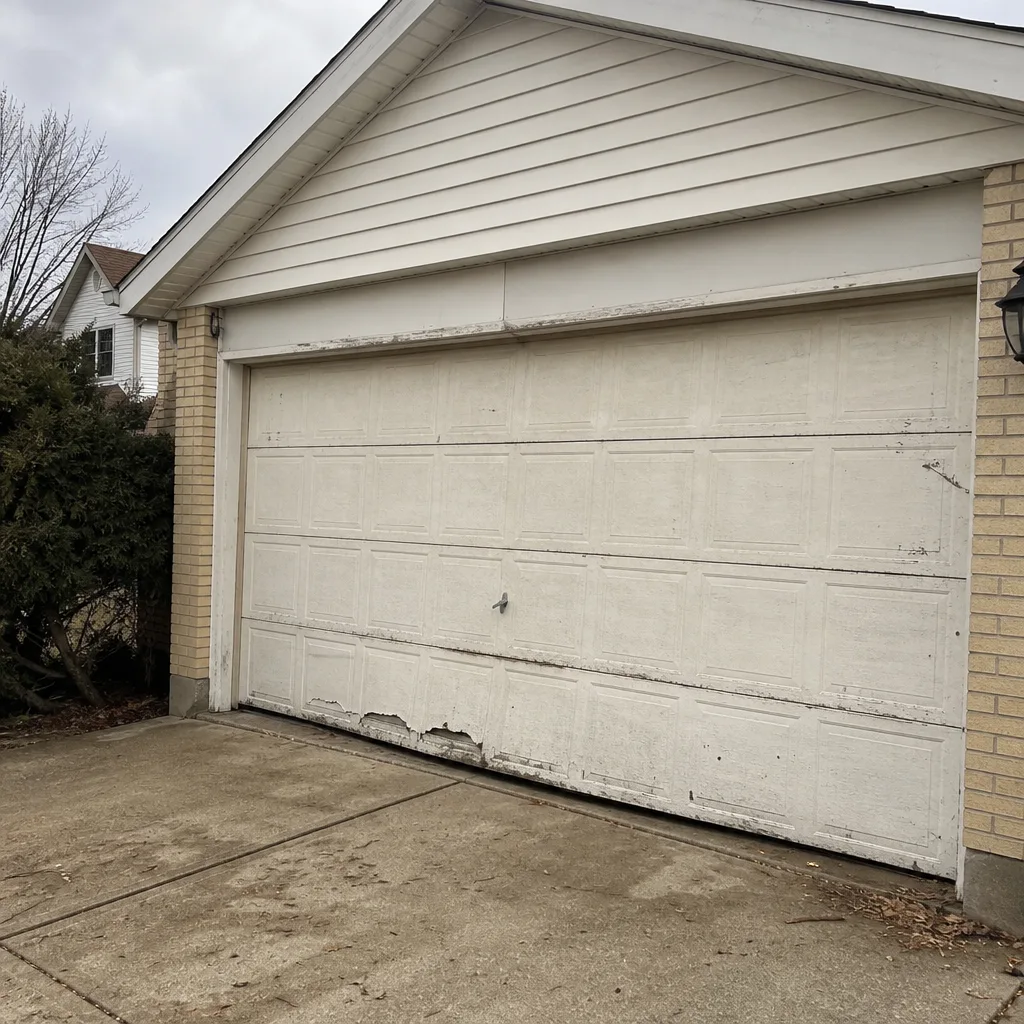 Before
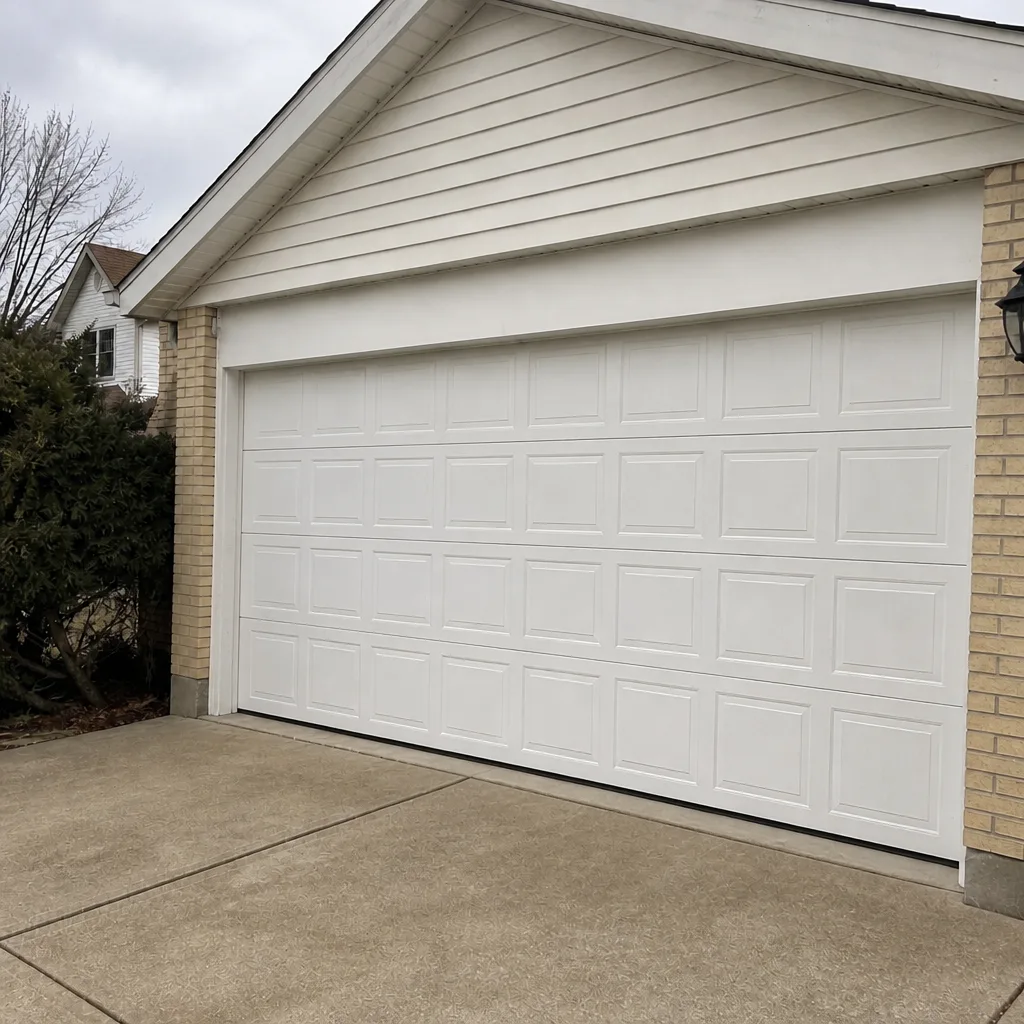 After
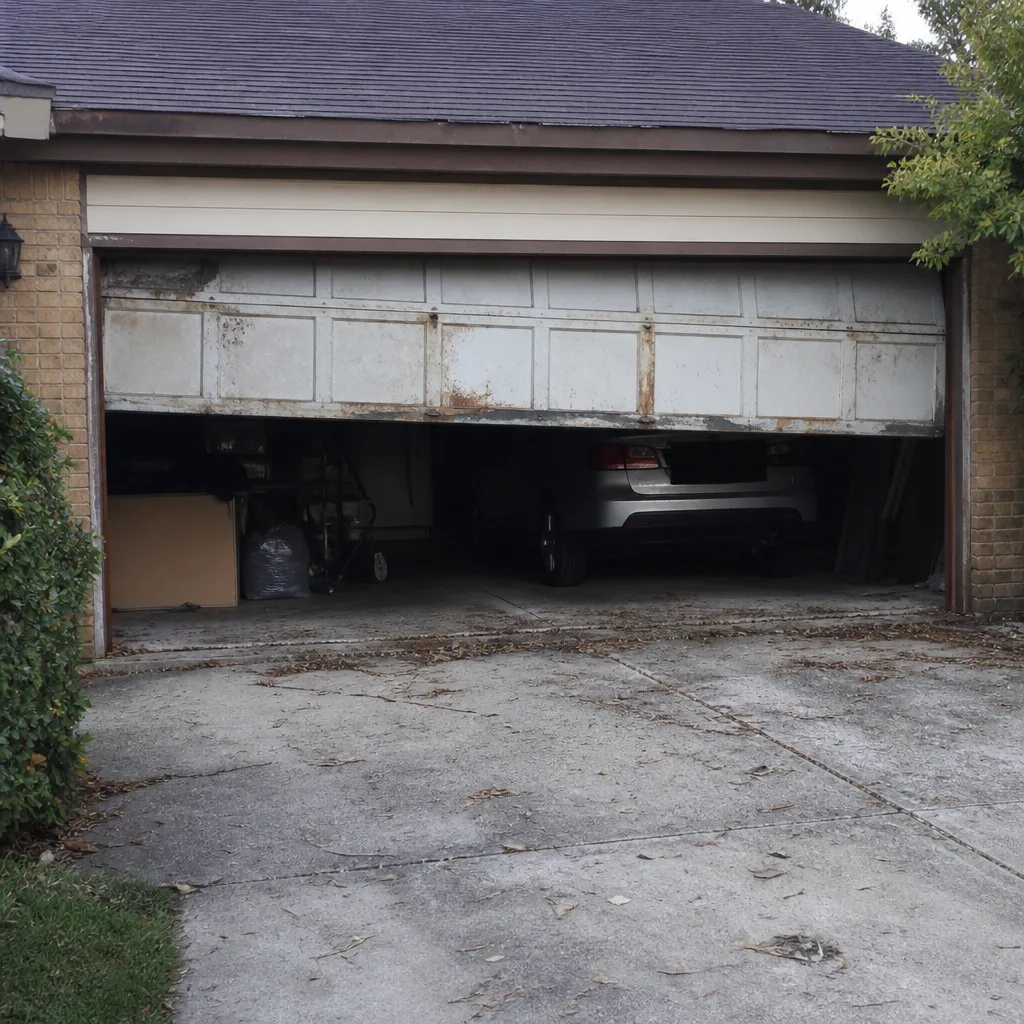 Before
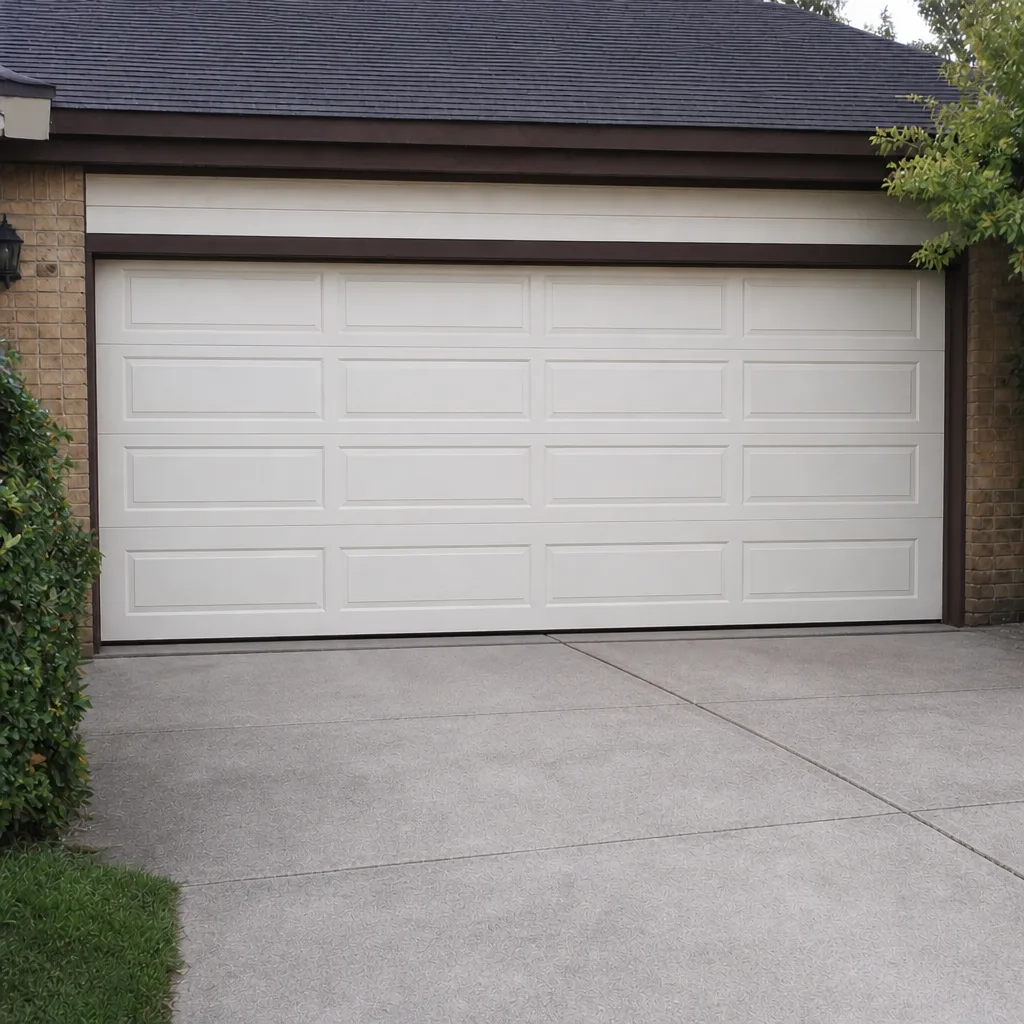 After
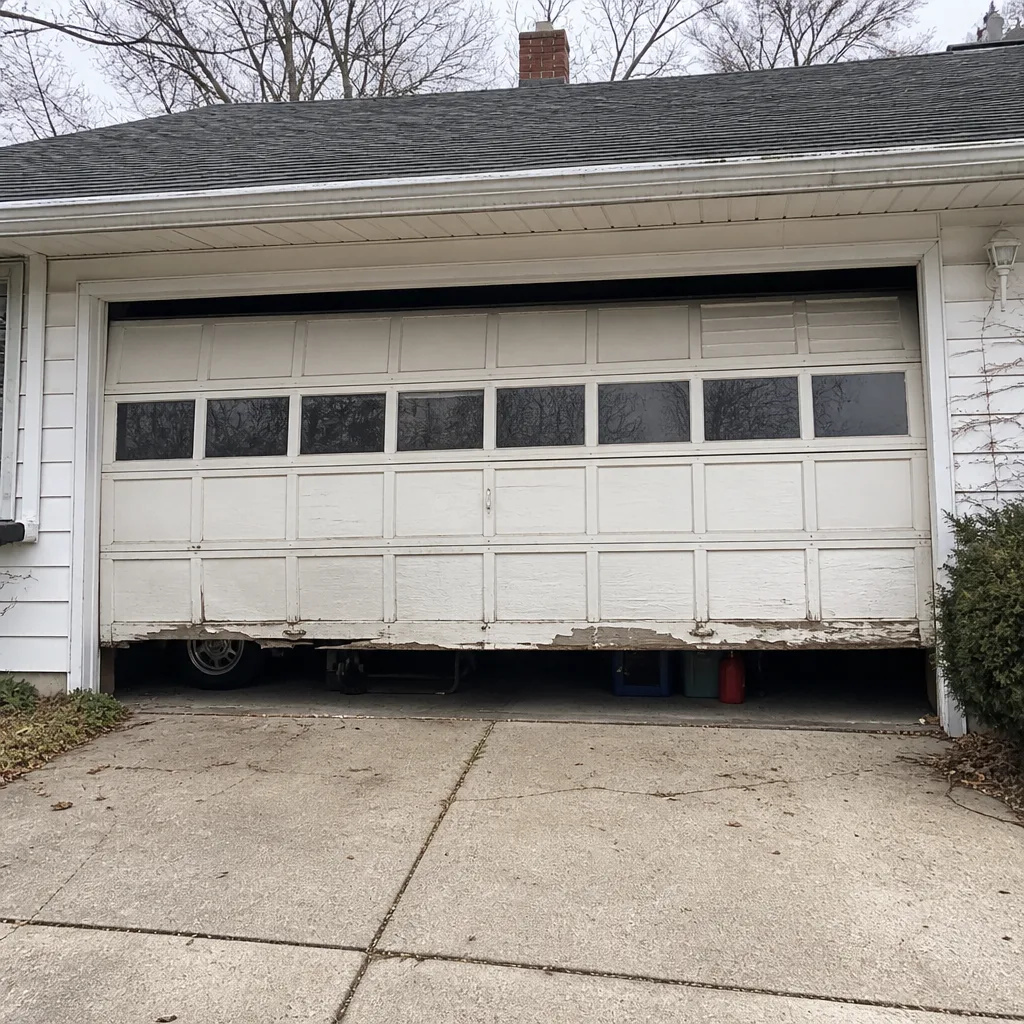 Before
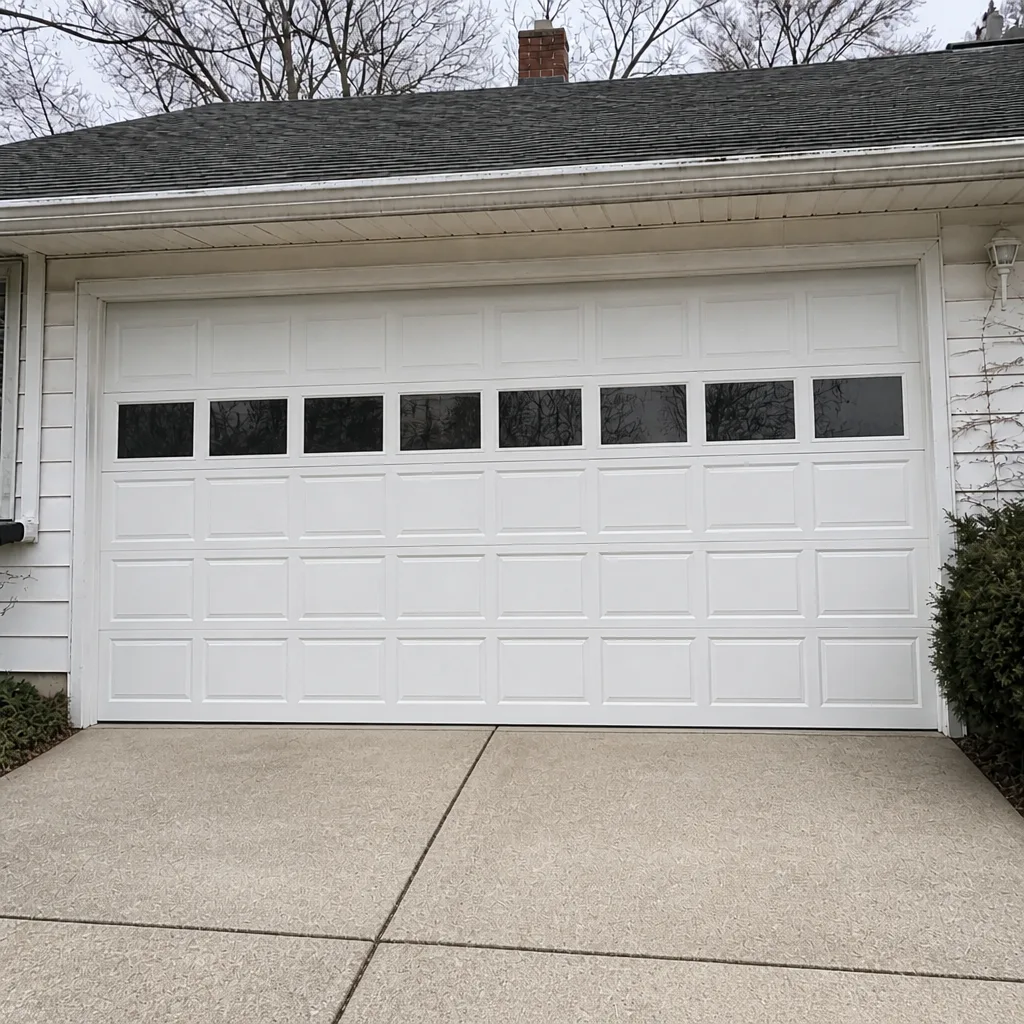 After
When to Call a Professional
Permits aside, there are specific situations where bringing in a trained technician is the right call. If a spring has snapped, the door is bound or off its track, the door has become unresponsive, or the opener runs but the door doesn’t move, those are repair problems – not paperwork problems – and they can be genuinely dangerous to handle at home. If your door is in a fire-rated assembly and you’re unsure whether the replacement carried the right rating, that’s a conversation worth having before anything is ordered. If your project involves a size change, a new opening, or electrical work in the garage, it needs permits, and we can walk you through the door side of the project.
Garage Door Repair St. Charles Pros offers free estimates in St. Charles – call (888) 778-7498. We work on your brand, whether that’s Raynor, LiftMaster, Chamberlain, Genie, Clopay, Amarr, Wayne Dalton, or Craftsman, and we can quote the door and the install in writing so you know the price before work begins.
Frequently Asked Questions
Usually no, if the replacement is like-for-like – same size opening, same mounting points, same rating. You typically do need a permit if the opening size changes, the framing or header is altered, a new opening is cut, the garage becomes living space, or the work involves new electrical circuits. Confirm with the City of St. Charles building department if your address is in city limits, or Kane County if you’re in unincorporated territory. Call (888) 778-7498 for a free estimate on the door work itself.
Usually not. A same-location opener replacement that plugs into an existing outlet is mechanical work and typically doesn’t require a permit. If the project involves a new outlet, a new circuit, panel work, or relocating the opener to a different position, that’s electrical work requiring a licensed electrician and usually a permit. Our opener repair covers both smart-home units and legacy systems, so we can tell you which side of the line your job falls on. Estimates are free – call (888) 778-7498.
A like-for-like replacement swaps the door within the same opening using the same mounting points – no change to the header, framing, or wall assembly. A structural change alters the opening itself: widening it, heightening it, cutting a new one, or modifying the frame around it. Permit rules follow that line. A same-size door that requires heavier track and mounting sits near the middle and is worth confirming with the city. Call (888) 778-7498 for a free estimate on measuring and quoting your replacement.
It can create coverage disputes at claim time and delays at closing. Insurers may question the scope of work without a permit record, especially in a fire-rated assembly. At a home sale, buyers’ attorneys and title companies pull permit history, and a missing permit can trigger a retroactive inspection and delays. The cleanest fix for existing unpermitted work is a retroactive permit. Call (888) 778-7498 – estimates for the door work are free.
If your garage is attached and the overhead door sits in the fire separation between the garage and the living space, the replacement door needs to carry the same rating as the one it’s replacing. Rating requirements live on the manufacturer’s documentation for the specific model – not on the door’s appearance. If you have an old unlabeled door and no permit drawings, ask the city what they’ll accept. Call (888) 778-7498 for a free estimate on a rated replacement.
No – your written estimate is the price. We measure the opening, confirm the assembly requirements, and quote the job in writing before anything is ordered or removed. The quote is agreed before any work starts, so you don’t get an invoice bigger than the estimate. Call (888) 778-7498 for a free estimate in St. Charles.
The Bottom Line
Most garage door replacements in St. Charles don’t need a permit. The exceptions – size changes, structural alterations, new openings, conversions, fire-rated assembly swaps, and electrical work – do, and getting the jurisdiction right matters because city limits and Kane County lines don’t always follow the street. Confirm your address with the city or county, match the fire rating if one applies, get any electrical work to a licensed electrician, and keep your permit and inspection record with your home documents. A short call before you order a door protects the whole project from ever becoming a closing problem. When you’re ready to measure and quote, call (888) 778-7498 for a free estimate.
Written by the team at Garage Door Repair St. Charles Pros.