Last updated November 22, 2026
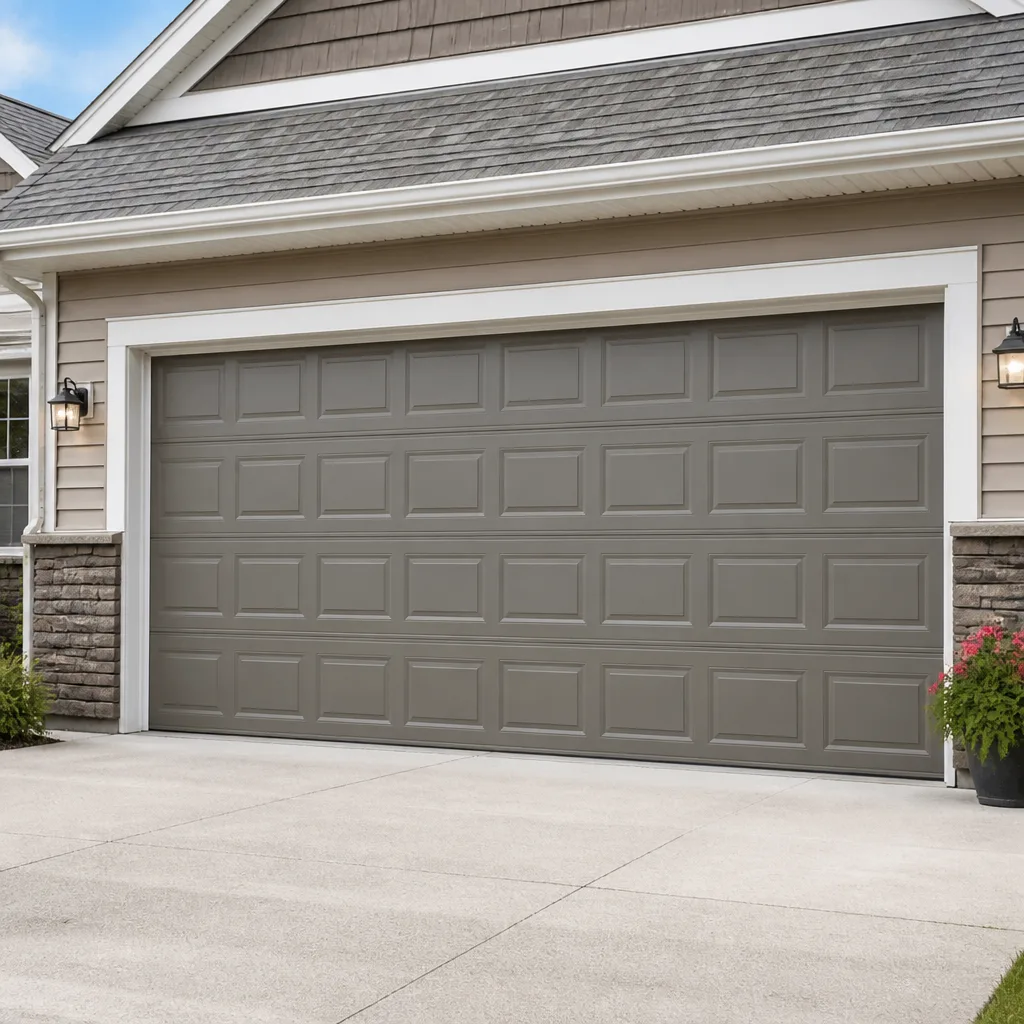 Raised-panel steel
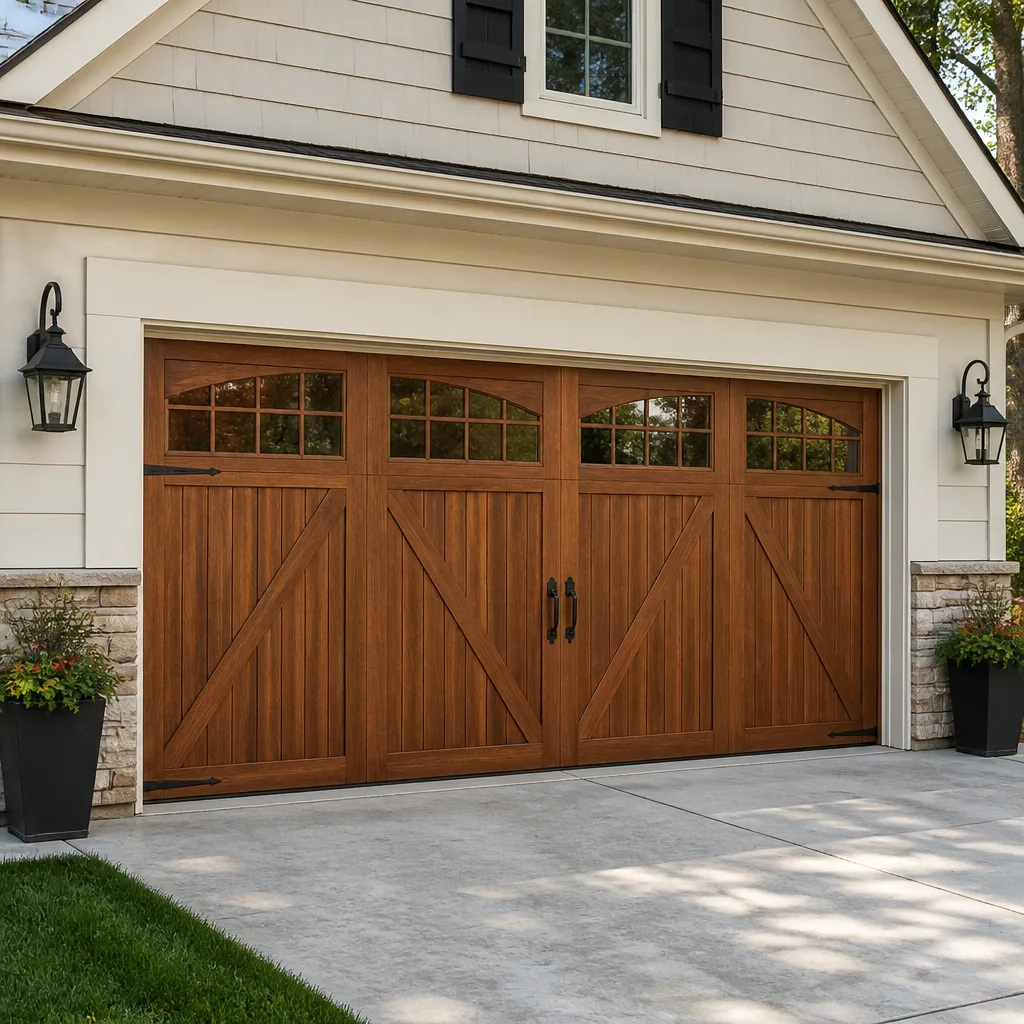 Carriage house
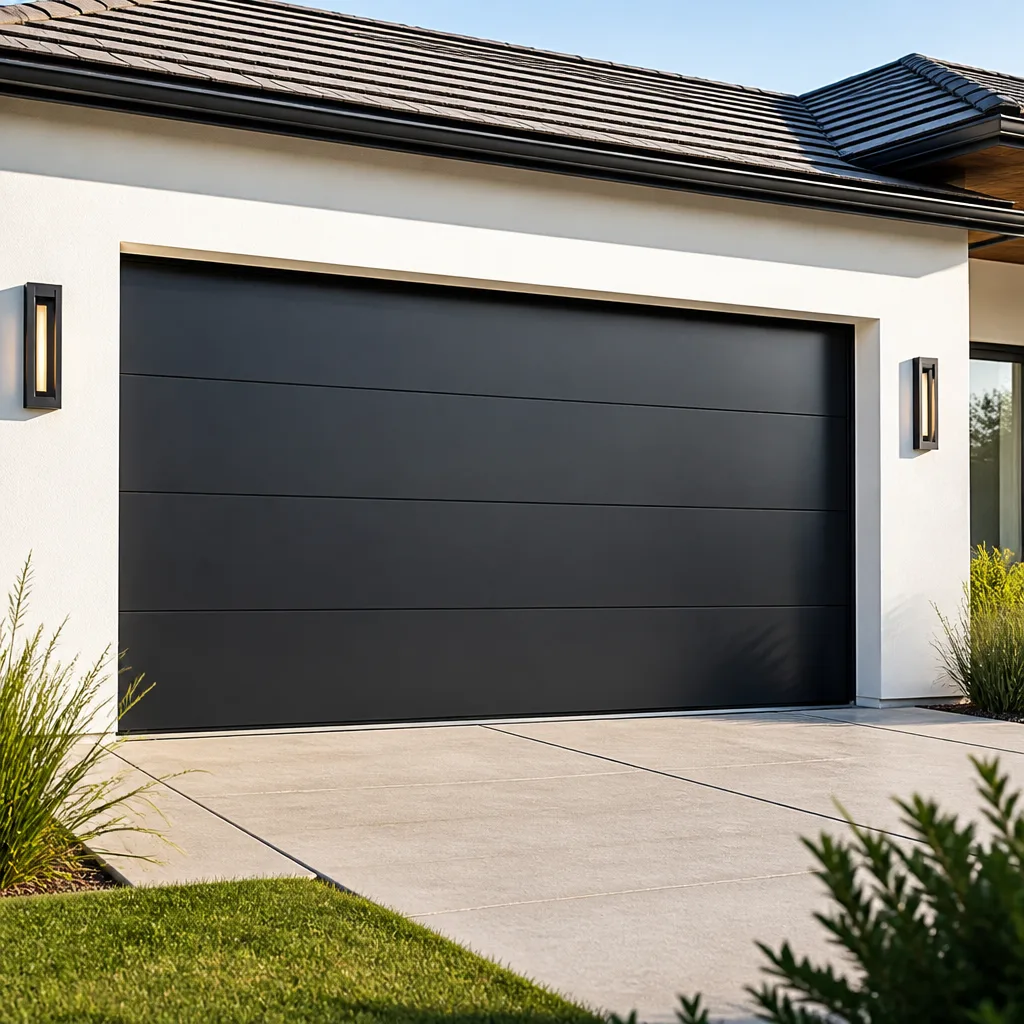 Modern flush
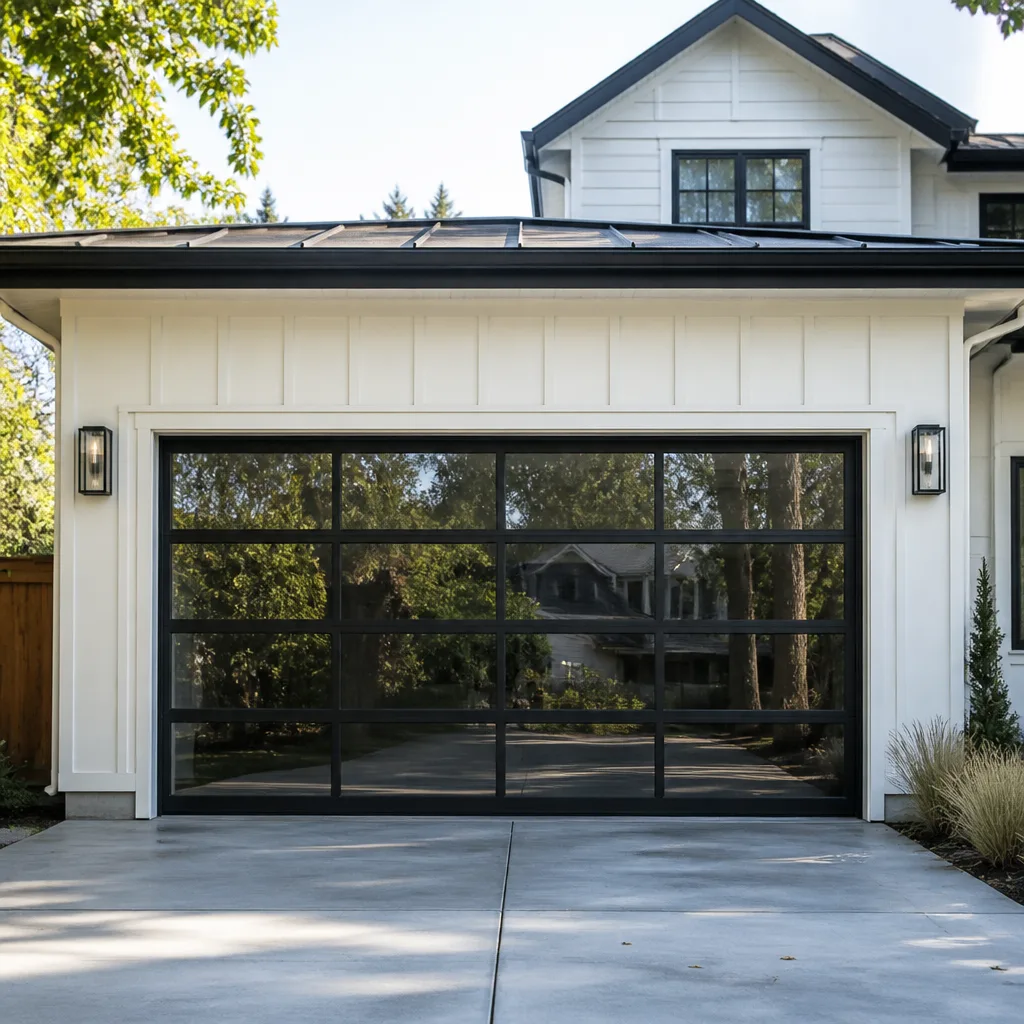 Full-view glass
 LiftMaster openers
 Chamberlain openers
Full 25-point door and opener safety check with every visit - springs, cables, rollers, tracks, and your LiftMaster or Chamberlain opener included
You get a price before we start. It does not change when the pro arrives.
Get your free estimateGarage Door Repair Maintenance Schedule: What to Do and When
Most homeowners treat a garage door like a refrigerator: ignore it until it stops working. Then they call someone in a panic. But here’s what we’ve learned working on these systems around St. Charles – a garage door isn’t one machine. It’s a dozen or more moving parts, each wearing out at its own pace. The torsion springs take the load. The rollers take the friction. The opener gears take the daily strain. A single yearly “tune-up” that sprays everything the same way and calls it done doesn’t match how these parts actually fail. This guide breaks the schedule down component by component, with the monthly, quarterly, and annual tasks that keep a St. Charles door running through freeze-thaw winters and humid summers. You’ll learn what to check, what to leave alone, and when a technician needs to step in.
Quick Answer
A working maintenance schedule splits into three layers: a monthly visual and balance check you handle yourself in five minutes, a quarterly lubrication and hardware round, and an annual professional inspection before winter. Springs, cables, and anything under tension stay off-limits for DIY. Northern Illinois freeze-thaw cycles put extra stress on metal parts, so the pre-winter and post-winter windows matter more here than the calendar alone suggests. If you want that annual inspection done properly, garage door repair in St. Charles starts with a free estimate.
Styles & brands we work with
- Raised-panel steel
- Carriage house
- Modern flush
- Full-view glass
- LiftMaster openers
- Chamberlain openers
Table of Contents
- Why a Component Map Beats a Yearly Tune-Up
- Monthly Tasks: Five Minutes That Prevent Costly Failures
- The Door-Halfway Balance Test, Explained Safely
- Quarterly Tasks: Lubrication and Hardware
- Annual Tasks: The Pre-Winter Professional Inspection
- Seasonal Windows for Northern Illinois Weather
- Springs, Cables, and What You Should Never Touch
- How to Document Condition Changes Over Time
Why a Component Map Beats a Yearly Tune-Up
A sectional garage door has roughly 12 to 15 moving or load-bearing components. They don’t wear out together, and they don’t fail for the same reasons. Torsion springs on most doors are rated for a fixed number of cycles, but the rating is set in a lab under stable conditions. A St. Charles door that runs through a winter of hard freezes and thaws, then a humid summer, sees metal fatigue that the lab never modeled. That’s why springs in this part of the Chicago suburbs often give out ahead of their rated cycle count, not behind it.
Rollers are a different story. Nylon rollers wear slowly but degrade fast if they’re lubricated with the wrong product. Steel rollers need lubrication but tolerate more neglect. The hinges carry load at every panel joint. The opener’s drive system – belt, chain, or screw – wears at a rate tied to how often the door is used and how well it’s balanced. And the weather seal at the bottom takes abuse from road grit, ice, and sun.
When you treat each component on its own schedule, you catch the small failures before they cascade. A worn roller stresses the hinge. A hinge that’s pulling loose stresses the panel. An unbalanced door wears the opener motor twice as fast. That chain reaction is what turns a maintenance item into an emergency call. Understanding the parts is step one. Knowing which ones you can touch is step two.
Monthly Tasks: Five Minutes That Prevent Costly Failures
The monthly check is visual and hands-off. You’re looking for change, not fixing anything. Five minutes a month catches problems that would otherwise hide until they fail.
- Listen to the door. Run it once and pay attention to the sound. A healthy door is quiet and even. New squeaks, grinding, or a rhythmic thump at the same spot on every cycle is the earliest warning you’ll get. Note where in the travel the sound happens.
- Watch the travel. Does the door move smoothly from closed to open, or does it hesitate, jerk, or speed up in one section? Uneven travel points to balance or track issues.
- Look at the tracks. From a standing position, check that the vertical and horizontal tracks are straight and free of debris. Don’t bend anything – just note if a track looks dented or if the door looks like it’s riding off-center.
- Check the bottom seal. With the door closed, look at the weather stripping along the floor. Tears, gaps, or a seal that’s flattened to nothing let cold air, water, and pests in. That matters in St. Charles, where a hard freeze can turn a small gap into an ice dam at the threshold.
- Notice the safety sensors. The two small sensors near the floor should have steady indicator lights. A blinking light means something is blocking the beam or the sensors have been bumped out of alignment.
Write down anything that changed. The monthly check is also your chance to update the condition log we cover further down. One observation means little. Six months of observations show a trend.
The Door-Halfway Balance Test, Explained Safely
A properly balanced door stays where you put it. If it drifts down on its own, the springs are losing tension. If it wants to fly up, they’re too tight. You can test this without ever touching the springs, cables, or any part under tension – and that’s the only safe way to do it.
- Disconnect the opener. Pull the emergency release cord so the door runs on its tracks by hand, not on the motor. This is the red handle hanging from the opener rail.
- Close the door fully. Start from the closed position so you’re lifting against the springs the way the opener would.
- Lift the door to waist height and stop. Use the handle or a panel edge, not the bottom seal. Let go gently and step back.
- Watch what happens. A balanced door stays put at roughly halfway. A door with weakened springs sags slowly or drops. A door with overtightened springs rises on its own.
- Reconnect the opener. Push the door back down and the opener will re-engage on the next cycle.
Do this test once a month, and always before winter. If the door fails the balance test, stop using it and book a technician. A door that sags on its own is being held up by the opener motor instead of the springs, and that wears the opener fast. It’s also the clearest early warning of spring failure, which is the one repair that absolutely should not wait. A dedicated garage door spring repair call is the right move, not a general handyman visit.
Safety note: The balance test tells you the springs are out of adjustment. It does not tell you the springs are safe to work on. Torsion springs store enough energy to cause serious injury, and the cables beside them are equally dangerous. Never wind, unwind, oil the coils, or try to adjust them yourself. We mean that plainly. Leave any work on springs and cables to a trained technician.
Quarterly Tasks: Lubrication and Hardware
Every three months, the door gets a lubrication round and a hardware check. This is where homeowners often do more harm than good, so let’s be specific about what to use and what to avoid.
What to lubricate and with what:
- Hinges: a small drop of white lithium grease or a silicone-based lubricant at each pivot point.
- Rollers: the metal stems and bearings, not the roller wheel itself on steel rollers. On nylon rollers, a light silicone spray on the stem only.
- Tracks: never grease the tracks. Grease traps grit, and grit wears rollers. Wipe the tracks with a dry cloth.
- Springs: a light coat of lubricant on the coils is acceptable to reduce squeak, done by hand with the door closed and the opener released. This is a surface treatment only, not an adjustment.
- The opener rail and chain or belt: follow the manufacturer’s guidance. Over-lubricating a belt drive is common and unnecessary.
What destroys plastic components over time: Many homeowners keep a can of WD-40 in the garage and spray the rollers with it. Standard WD-40 is a solvent-based product, not a lubricant, and it degrades nylon and plastic roller wheels and bearing races over time. It leaves a thin film that attracts dust and does nothing for the load. Use it for loosening a rusty bolt, not for anything that needs ongoing lubrication. If you’ve been spraying your nylon rollers with it, switch to a silicone-based product on the stems only.
While you’re at it, check the hinge screws and the bracket bolts. Snug any that have worked loose. Don’t overtighten – panel metal is thin, and stripping a screw hole is a repair of its own. On a LiftMaster or Chamberlain opener, this is also a good time to clear the area around the opener housing so the motor isn’t running hot behind stored boxes.
Annual Tasks: The Pre-Winter Professional Inspection
Once a year, ideally in early fall before the first hard freeze, have a technician do a full inspection. Some tasks need eyes, tools, and the ability to work safely around tensioned parts. Here’s what a proper annual inspection covers:
- Spring cycle check and measurement: measuring the coils and confirming the springs are still holding the rated tension for the door’s weight.
- Cable inspection: looking for fraying, kinks, or corrosion at the drum ends. Cables fail suddenly and are a leading cause of doors dropping.
- Roller and hinge wear assessment: replacing worn rollers and hinges before they damage the panels.
- Track alignment and plumb: confirming the vertical tracks are true and the horizontal tracks slope correctly.
- Opener force and travel limits: checking the opener isn’t pulling or pushing harder than it should, which is a symptom of an unbalanced door.
- Safety sensor and reverse test: verifying the auto-reverse works as designed.
- Weather seal and threshold condition: the seal is what keeps ice out of the track channel through a St. Charles winter.
If your opener is a Craftsman or Raynor unit that’s been on the same door for years, the annual inspection is also when a technician can confirm the gear assembly and limit switches are still doing their job. A free estimate for a full inspection costs nothing, and it’s cheaper than a mid-January emergency call when the door won’t close in the cold.
Seasonal Windows for Northern Illinois Weather
The calendar tasks matter, but in northern Illinois the weather sets the real schedule. Freeze-thaw cycles are the single biggest driver of garage door wear in St. Charles. Water works into the track channel or behind a failing weather seal, freezes overnight, expands, and then thaws. Repeat that enough and you get bent tracks, a warped panel edge, or a seal that’s pulled loose.
Before the first hard freeze (late fall): Replace a worn bottom seal. Clear debris from the track channels. Run the balance test. Lubricate hinges and roller stems. Check that the opener reverses properly. This is the window to make sure the door is set up for the cold, not the window to be fixing a failure at 5 p.m. on the first freezing day.
During the cold stretch: Keep the tracks clear of snow and ice. Don’t pour salt or de-icer in the track channel – it attracts moisture and corrodes the hardware. If the door starts to sound different, note when it happens. Cold metal behaves differently, but a new grinding sound in January is worth a call.
After the last freeze (early spring): This is the inspection that catches winter damage. Look for rust starting at the hinge points, a seal that’s cracked, or tracks that got knocked out of line by ice. A door that ran fine in October but feels stiff in April usually has a balance problem the winter made worse.
St. Charles winters are hard on the springs, but the humidity of a Midwest summer isn’t gentle either. Wood doors swell and warp slightly through summer, which can throw a panel off its track. If you run a wood door, watch for a panel that catches on the frame at the top of its travel during the warm months.
Springs, Cables, and What You Should Never Touch
We want to be direct here, because this is the part of the maintenance schedule where good intentions cause real injuries. The torsion springs above the door and the extension springs in older setups are under enormous tension. The cables next to them are holding that tension too. When a spring or cable lets go, it moves fast and with enough force to break a bone or worse. There is no homeowner lubrication task, no adjustment, and no inspection that requires you to put your hands near the coils under load.
What you can do safely:
- Run the door-halfway balance test described above.
- Listen for a sharp pop or bang when the door runs – that’s a sign a spring has broken.
- Note the door’s position if it stops working. A door that’s stuck half-open with the opener running but not moving usually means a broken spring or a snapped cable.
- Keep the area around the door clear so a technician can work safely when they arrive.
What you should never do: wind or unwind a spring, cut a cable, or try to “reset” anything under tension. If the door is stuck, leave it. If it’s stuck open, don’t pull it down by hand – a door with a broken spring is much heavier than it looks and can come down uncontrolled. Call for help and keep people and pets clear. That’s the moment Garage Door Repair St. Charles Pros is set up for: a broken spring that leaves a car trapped or a home unsecured gets the urgency it deserves, and it’s a standing service, not a premium call.
How to Document Condition Changes Over Time
A technician’s job gets easier when they can see how a door has degraded, not just how it looks the day they arrive. A single snapshot tells you the door is unbalanced. A six-month log tells you the imbalance has been getting steadily worse, or that it’s stable. That difference changes the recommendation.
Keep a simple log. A notes app on your phone works fine. For each monthly check, note four things:
- Pass or fail on the door-halfway balance test, plus which way the door drifted if it failed.
- Sound notes – any new noise and where in the travel it happens.
- Visual changes – rust spots, a cracked seal, a hinge screw that keeps backing out (mark it with a pencil so you can tell if it’s the same one).
- The date and the rough weather – a sound that appears after a hard freeze means something different than one that appears in July.
When you call for service, you can hand the technician the log. On a multi-brand door system, whether that’s a LiftMaster opener or a Raynor door with Clopay panels, having that history lets them diagnose faster and source the right part the first time. We’re factory-familiar with the brands on most St. Charles homes – the log plus brand familiarity is a faster visit.
Common Mistakes to Avoid
- Spraying WD-40 on nylon rollers. The solvent degrades the plastic over time and leaves a film that attracts dust. Use a silicone-based product on the metal stems only, and leave the roller wheel itself alone.
- Greasing the tracks. Grease attracts grit, and grit grinds the rollers and the track. Wipe tracks clean and dry, nothing more. Greasing a St. Charles track is the fastest way to gum it up through a winter of road grit tracked in by the car.
- Ignoring the balance test until the door sounds bad. A door that fails the balance test is already straining the opener. By the time it’s grinding, the opener motor has taken months of extra load.
- Treating a stuck door as a DIY job. A door that won’t move often has a broken spring or a snapped cable. Pulling on it, trying to lift it, or “helping” the opener can turn a repair into an injury. Leave it and call.
- Skipping the pre-winter window. Replacing a bottom seal or clearing tracks in October is a maintenance task. Doing the same job in January, after an ice jam bends a track, is a repair. The cost difference is real.
- Over-tightening hinge screws and bracket bolts. Panel metal strips easily. A screw that won’t bite is a problem to fix, not to force. Snug is enough.
- Forgetting to keep a log. Memory fades. A technician who can see a pattern from three months of notes will diagnose faster than one starting from scratch, and you’ll avoid the “did it always make that sound?” guesswork.
See the difference
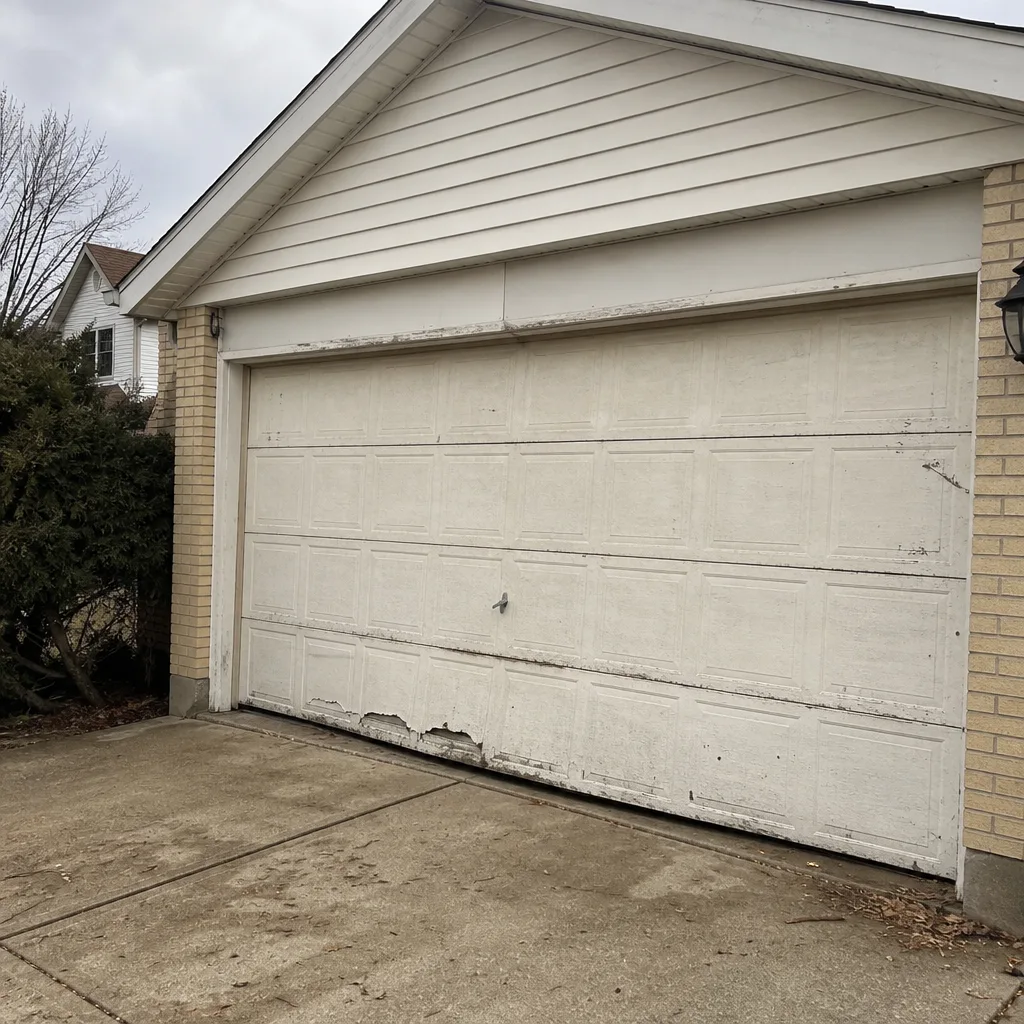 Before
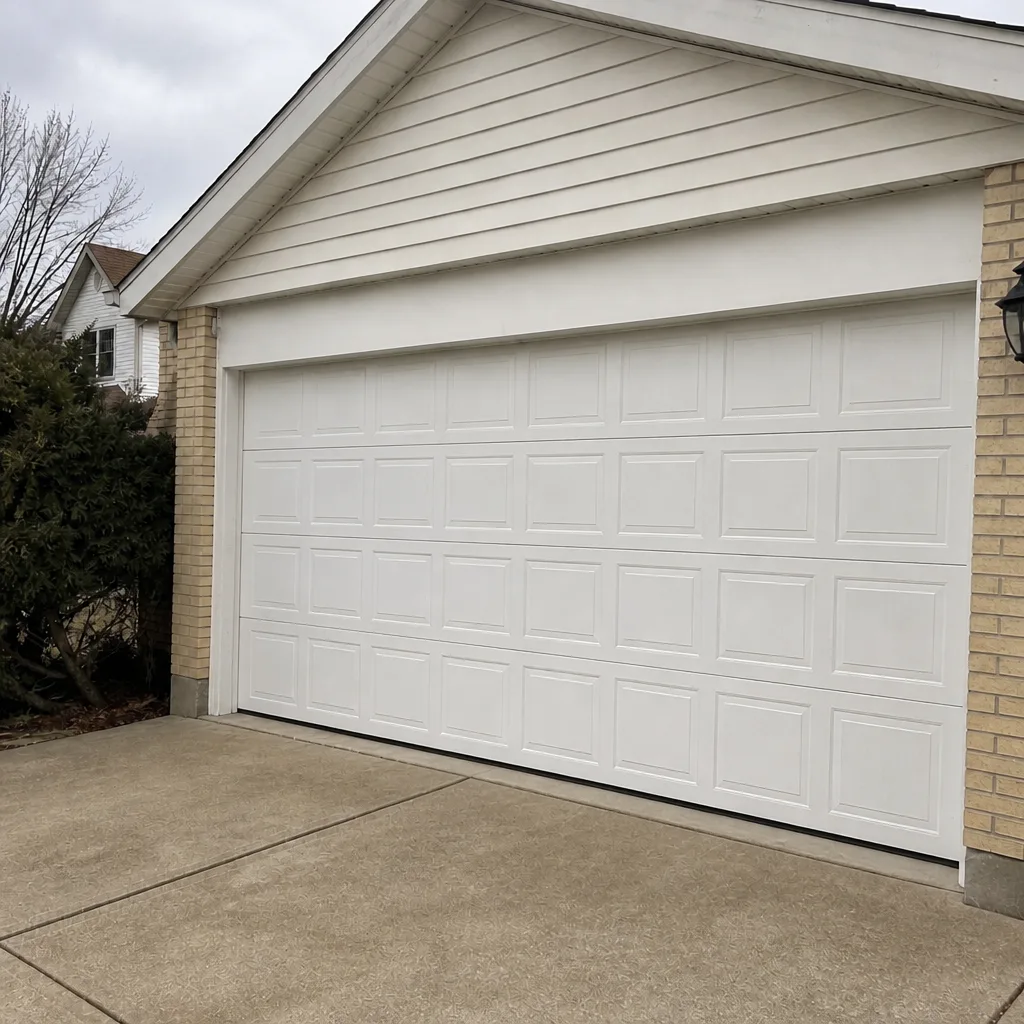 After
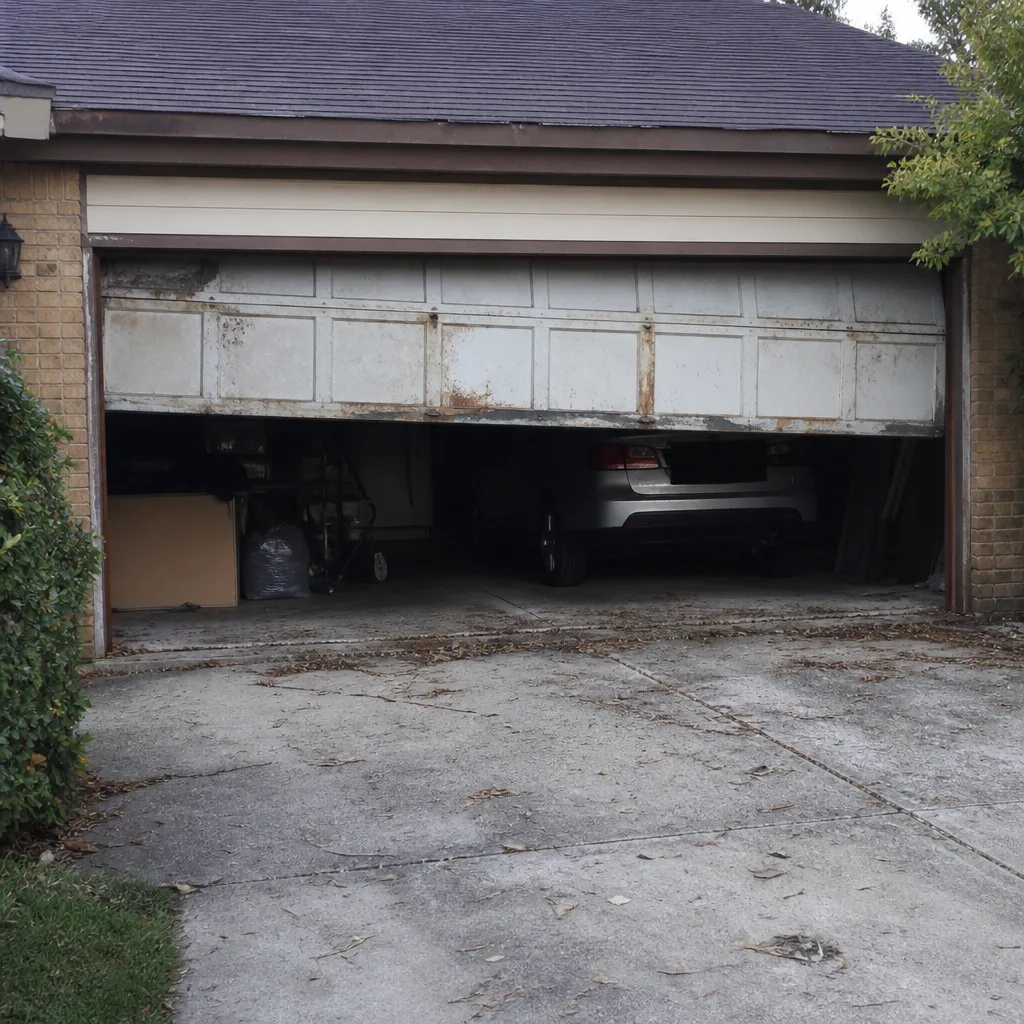 Before
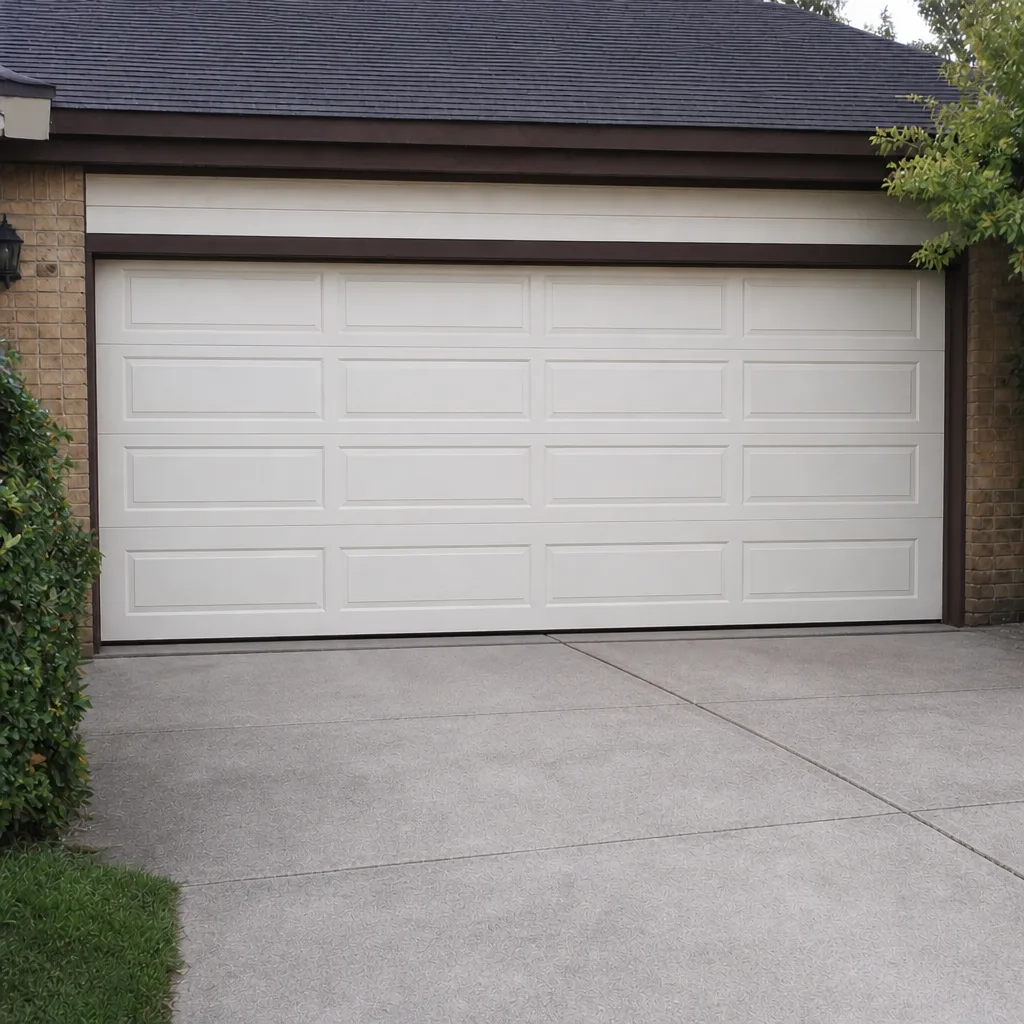 After
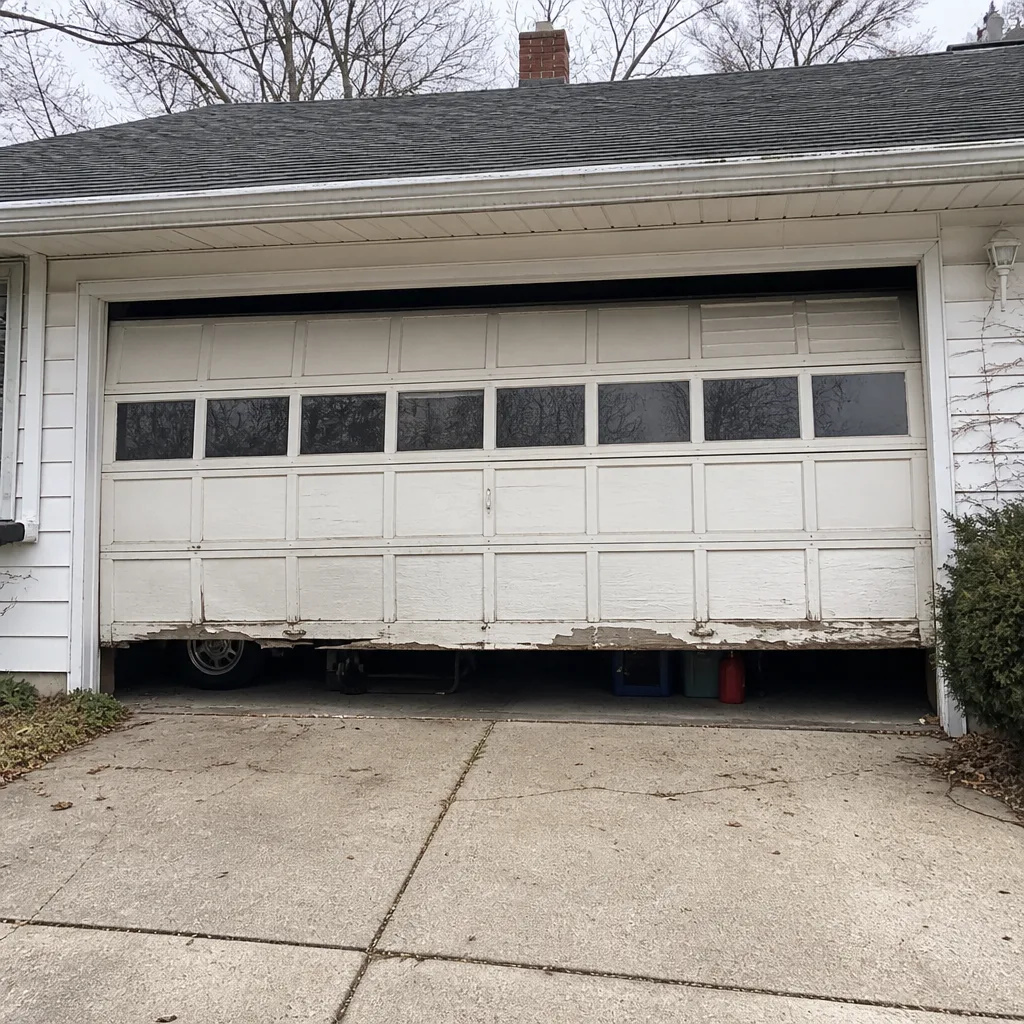 Before
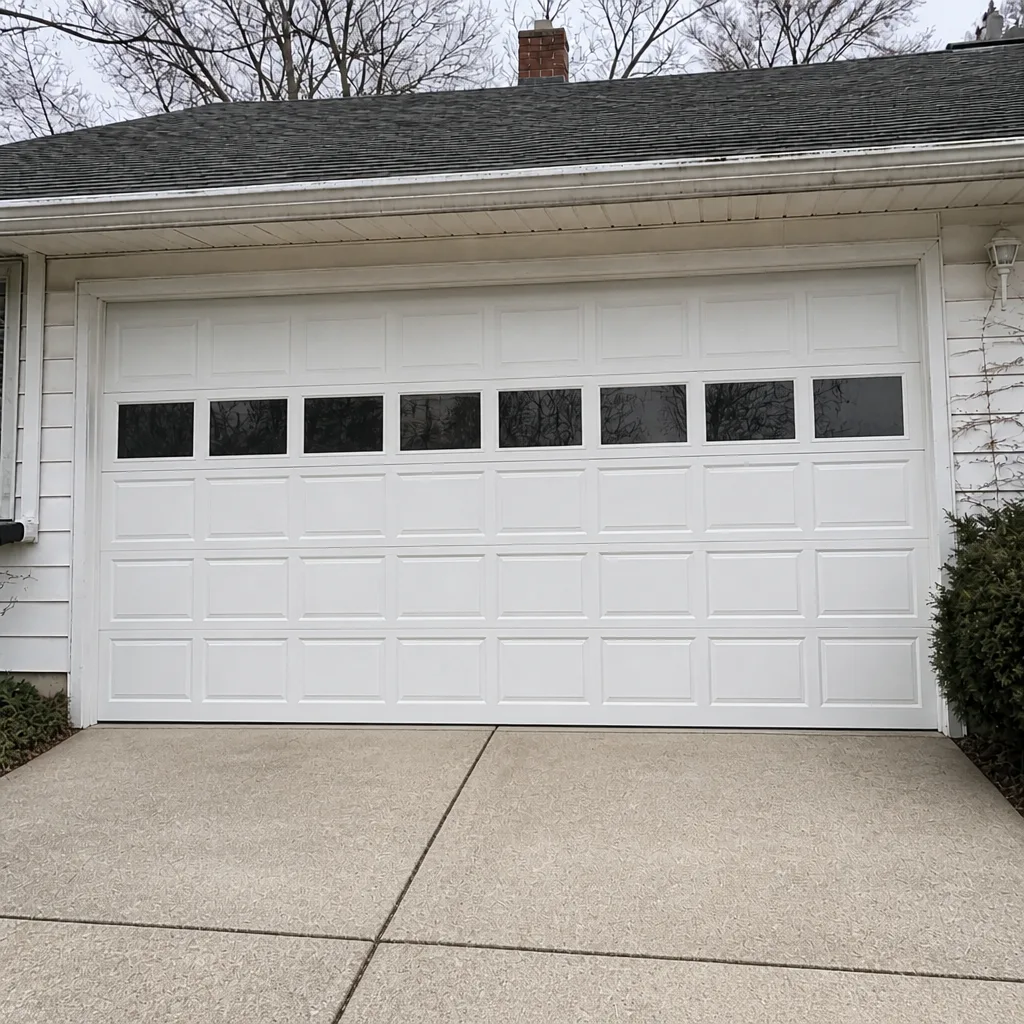 After
When to Call a Professional
Call a technician when the door fails the balance test and stays unbalanced after a week, when you hear a sharp pop or bang during operation, when the door is visibly off its tracks, or when the opener runs but the door doesn’t move. Call when a cable looks frayed or kinked, when the door has become noticeably heavier to lift by hand, or when the bottom seal is torn badly enough that ice and water can get into the track channel. And call if the door won’t close at all – a door that leaves a home open is an access and security problem, not a waiting game.
Garage Door Repair St. Charles Pros offers free estimates in St. Charles – call (888) 778-7498. Our technicians have up to 14 years of experience and work on LiftMaster, Chamberlain, Genie, Clopay, Amarr, Wayne Dalton, Craftsman, and Raynor systems. One call covers the repair, the opener, the springs, or a full replacement. No need to line up several contractors for one door.
Frequently Asked Questions
Once a year, ideally in early fall before the first hard freeze. Northern Illinois freeze-thaw cycles stress the springs and the bottom seal more than a mild climate does, so the pre-winter inspection is the one that pays off. The monthly and quarterly checks you do yourself keep the door running between professional visits.
Yes, and you should. The door-halfway test only requires you to lift a closed door to waist height with the opener released, let go, and watch whether it stays put. It never requires touching the springs or cables. If the door sags or rises on its own, stop using it and call a technician for a spring inspection.
Standard WD-40, as a lubricant, is the one to avoid on plastic components. It’s a solvent-based product that degrades nylon rollers and bearing races over time. Use it to free a rusty bolt, not on the door. A light white lithium grease or silicone-based lubricant on hinges and roller stems is the right choice. Never grease the tracks themselves.
Emergency garage door service is a standing offering here, not a premium tier, and a door that traps a car or leaves a home unsecured gets prioritized. Call (888) 778-7498 and we’ll get a technician headed your way. If the door has a broken spring or snapped cable, don’t try to force it open yourself.
Springs rarely fail with zero warning. The door-halfway test is your best early signal – a door that sags slowly or fails to hold at waist height means the springs are losing tension. A sharp pop during operation usually means one has already broken. Note it in your log and call for an inspection before the failure turns into an emergency.
The door-side tasks are the same regardless of opener. For the opener itself, the annual inspection confirms the force and travel limits are set correctly and the safety reverse is working. On a smart-home-enabled LiftMaster or Chamberlain, a technician can also check that the Wi-Fi module is reporting properly. Legacy systems like Craftsman or Genie units get the same force and travel check. garage door opener repair is a separate estimate if the inspection turns up a failing drive or gear.
The Bottom Line
The failures that matter are the ones a component-by-component schedule prevents. Run the door-halfway balance test monthly. Lubricate hinges and roller stems quarterly with the right product, and keep WD-40 off your nylon rollers. Get the professional inspection in the fall, before St. Charles freezes. Fix a worn seal before winter, inspect for winter damage in spring, and keep a log so a technician can spot a trend instead of a single bad day. The parts fail at different rates. The schedule should match. If you’re ready to have the annual inspection done, a free estimate from Garage Door Repair St. Charles Pros costs nothing and might save you a mid-January emergency repair. Call (888) 778-7498 today.
Written by the team at Garage Door Repair St. Charles Pros.