Last updated November 22, 2026
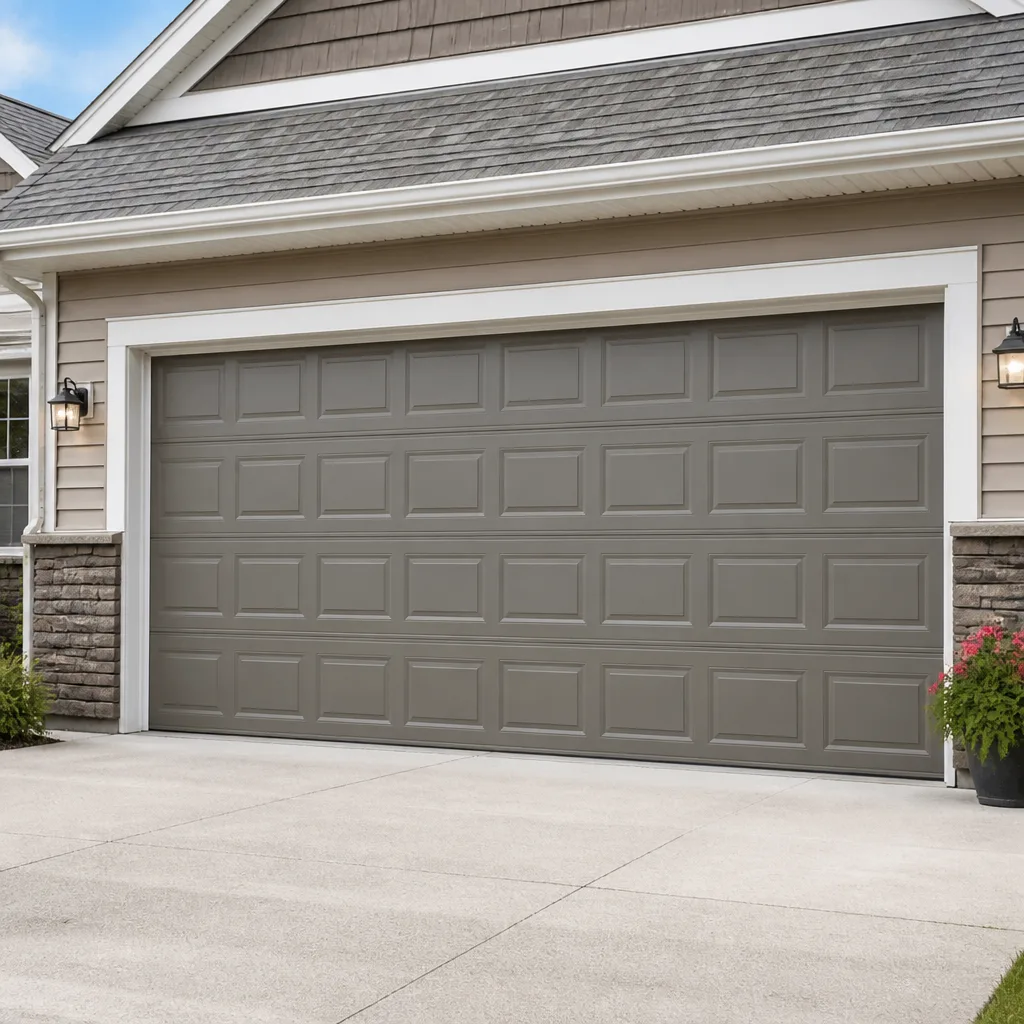 Raised-panel steel
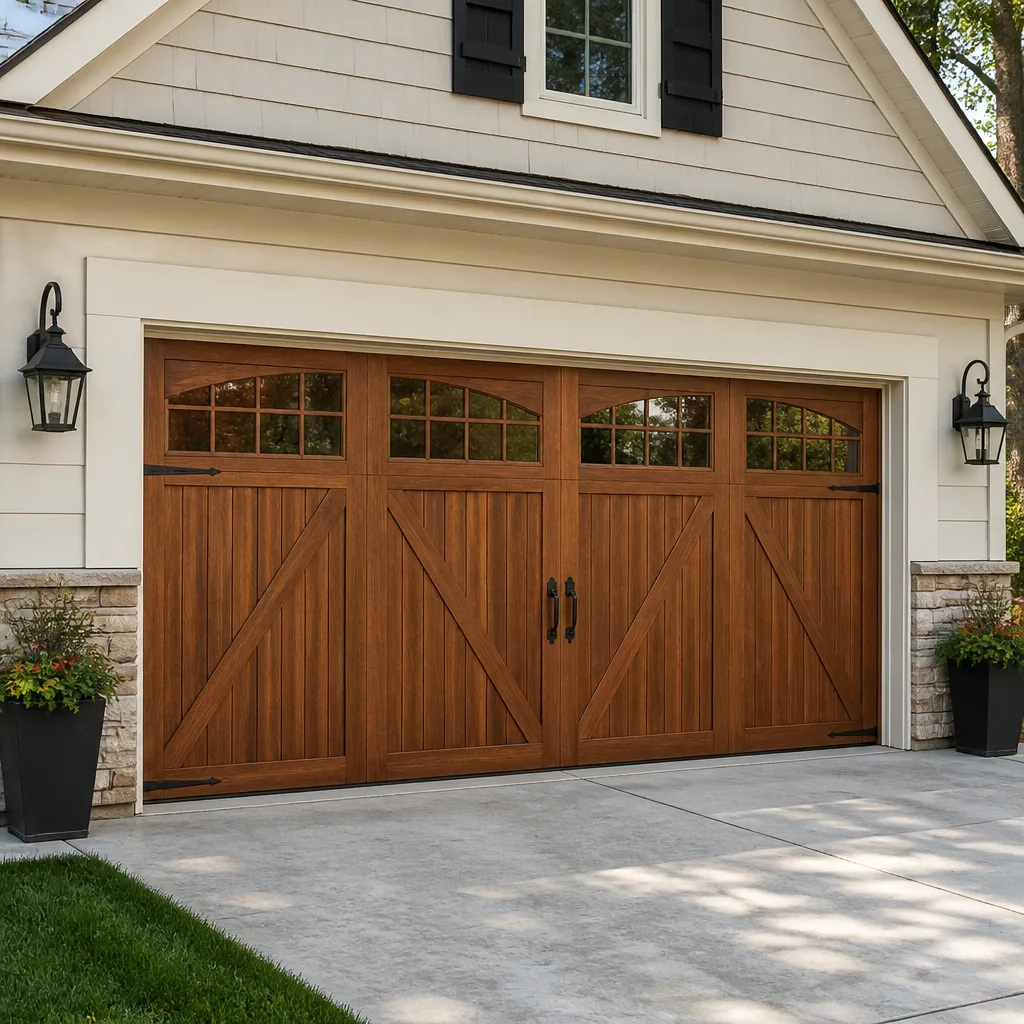 Carriage house
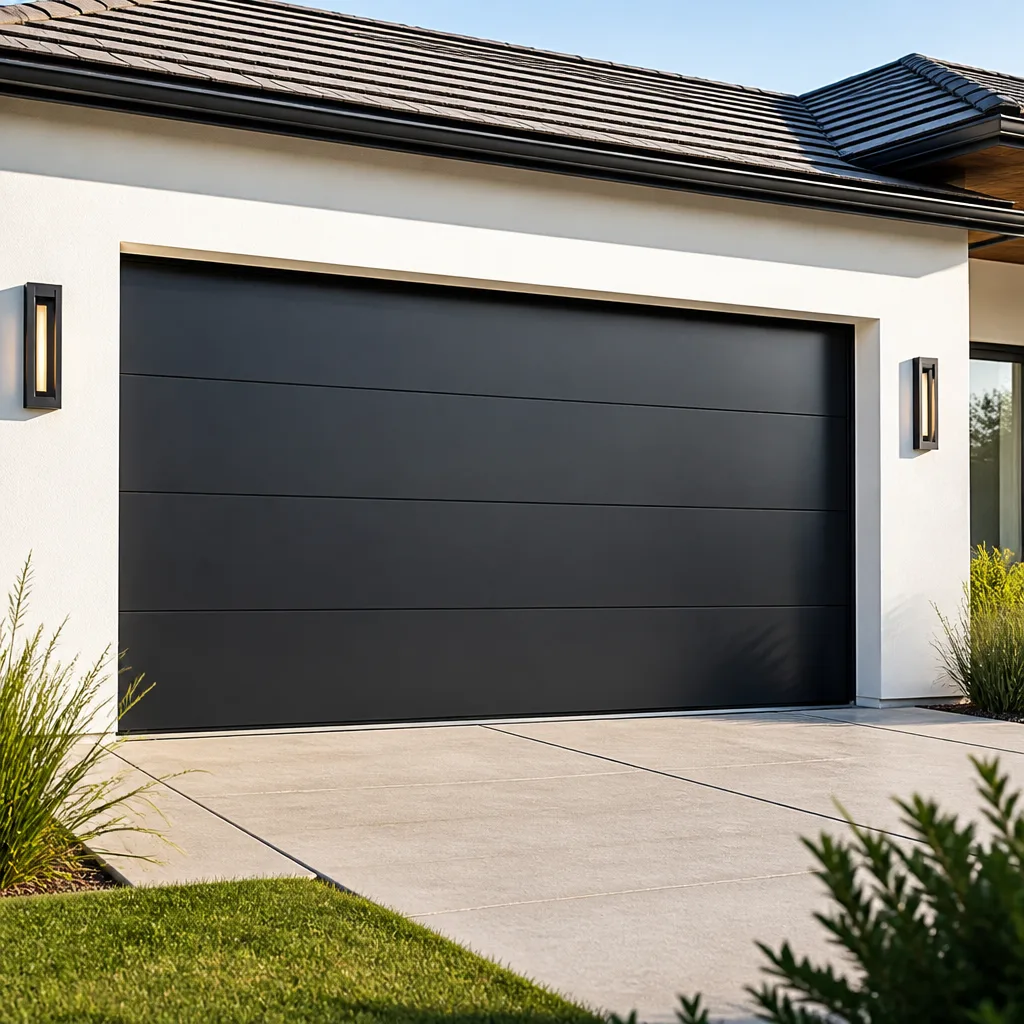 Modern flush
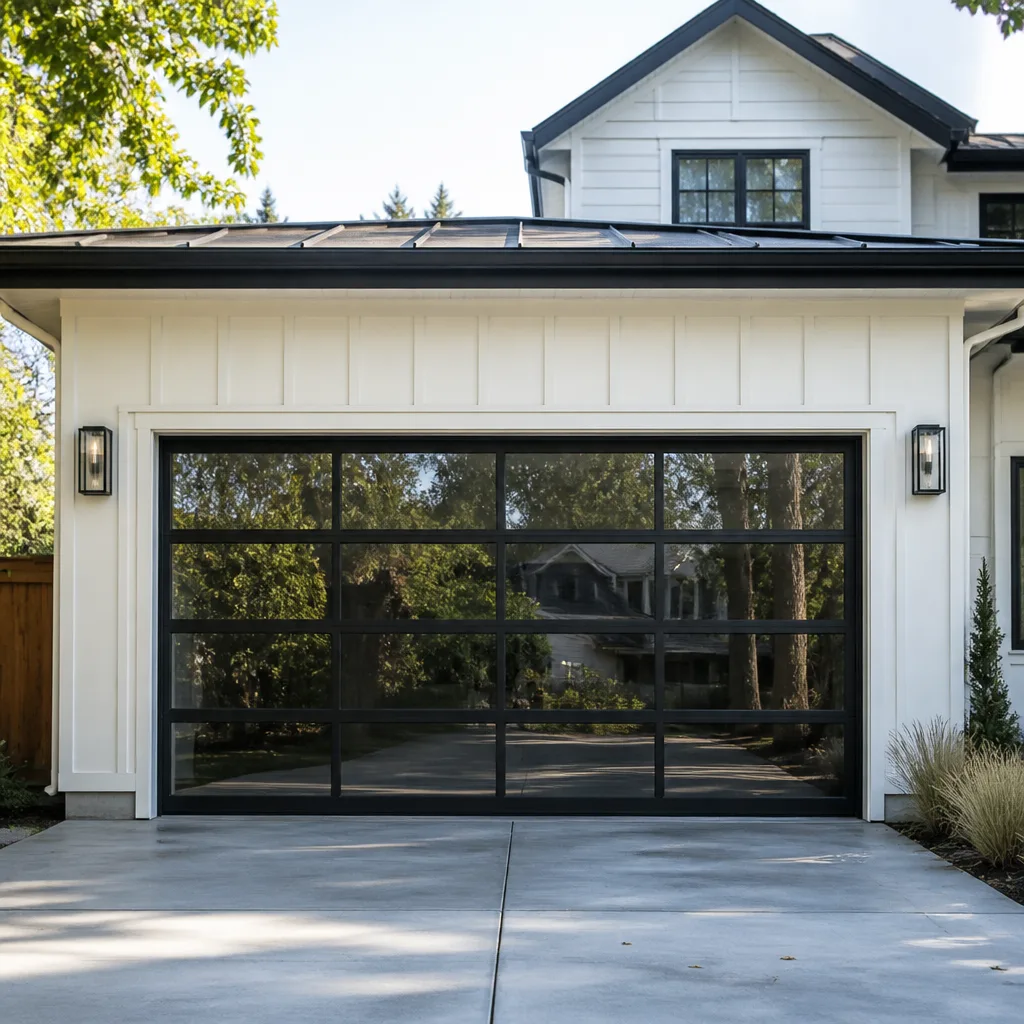 Full-view glass
 LiftMaster openers
 Chamberlain openers
Full 25-point door and opener safety check with every visit - springs, cables, rollers, tracks, and your LiftMaster or Chamberlain opener included
You get a price before we start. It does not change when the pro arrives.
Get your free estimateGarage Door Repair Maintenance Checklist for St. Charles Homeowners
The number one reason garage doors fail prematurely in the Midwest isn’t age. It’s deferred lubrication on the wrong components in October, right before the first hard freeze locks everything up. Most homeowners here in St. Charles think a noisy door means “the opener is dying.” Usually it doesn’t. It means a hinge, a roller bearing, or a torsion spring is grinding metal on metal, and it’s been doing that since summer. A general checklist tells you to “lubricate moving parts.” This one tells you which parts, with what, and when – because maintenance is only useful when it’s specific enough to act on. You’ll get monthly, seasonal, and annual tasks, the parts that fail first on the systems common in St. Charles homes, and clear guidance on what’s safe to check yourself versus what to leave to a technician.
Quick Answer
A garage door maintenance checklist in St. Charles should split into three rhythms: monthly checks you can do in five minutes (balance, auto-reverse, visual cable inspection), fall and spring seasonal tasks timed to the freeze-thaw cycle, and an annual deep service covering spring tension, track alignment, and opener force settings. The parts that fail first are springs, rollers, and hinges – not the opener. Lubricate those metal-to-metal points with a lithium-based or silicone spray, never WD-40, and schedule a professional check before the first hard freeze in late October or November.
Styles & brands we work with
- Raised-panel steel
- Carriage house
- Modern flush
- Full-view glass
- LiftMaster openers
- Chamberlain openers
Table of Contents
- Why St. Charles Climate Sets Your Maintenance Calendar
- Monthly Checks You Can Do in Five Minutes
- The Seasonal Checklist: Spring and Fall
- The Annual Deep Service: What Should Actually Happen
- What’s Safe to Inspect vs. What Needs a Technician
- The Right and Wrong Lubricants for Garage Door Parts
- How to Test Balance, Auto-Reverse, and Force Settings
- Brand-by-Brand Notes for St. Charles Doors and Openers
Why St. Charles Climate Sets Your Maintenance Calendar
St. Charles sits along the Fox River valley, and that geography drives real mechanical wear on garage doors. The freeze-thaw cycle here is relentless – dozens of swings between below freezing at night and comfortably above during the day across a typical winter and early spring. Metal contracts overnight and expands by afternoon. Springs, hinges, and track hardware absorb that cycle hundreds of times a season. A torsion spring that’s been quietly doing its job all summer can lose tension or snap on the morning of the first hard freeze.
The river valley also holds humidity longer than the higher ground west of town. Rollers on doors facing north, or on garages tucked into shaded lots in subdivisions off Kirk Road or along the river side of town, can start to rust before homeowners notice anything wrong. Rust creates drag. Drag shortens spring life and makes the opener work harder. That’s why we emphasize lubrication timing over lubrication frequency – the right products applied before the cold arrives do more than the same products applied in July.
There’s one more local wrinkle. St. Charles gets its share of summer thunderstorms with wind gusts that can catch a garage door and strain the opener carriage or push one roller off-track. Winter brings ice at the door’s base seal, which can rip the bottom weatherstripping the first time you open the door after a storm. Both are maintenance items neighbors here tend to notice only after they cause a problem.
- Spring: check bottom seal for ice damage, inspect rollers for winter rust, test balance after months of use.
- Summer: look for wind damage after storms, check hinges and track for loosened fasteners.
- Fall: prioritize lubrication before the first hard freeze, inspect springs and cables for wear.
- Winter: keep the door path clear of ice, watch for opener strain on cold mornings.
Monthly Checks You Can Do in Five Minutes
Monthly maintenance in St. Charles doesn’t require tools beyond your eyes and one outstretched arm. These are the checks that catch small problems before they become garage door repair calls. Do them on the same weekend each month and the routine becomes habit.
- Listen to the door on its way up and down. A healthy door is quiet and steady. Grinding, scraping, or a rhythmic thump means a roller, hinge, or spring needs attention.
- Watch the track as the door travels. Both sides should move together. A door that shudders or hesitates means one side is binding.
- Look at the cables. From a safe distance, check that both cables are taut and sitting cleanly in their drum grooves. Never touch a cable under tension.
- Examine the hinges for rust or looseness. Any hinge that wiggles or shows rust streaks is a fix-now item.
- Run the auto-reverse safety test. Put a roll of paper towels flat on the floor under the door and press the close button. The door should reverse as soon as it meets resistance.
- Check the photo-eye sensors. Wave your leg across the beam. The door should reverse. If it doesn’t, this is unsafe – stop using the door and call.
If a check fails, don’t run the door repeatedly to “see if it fixes itself.” It won’t. Every cycle on a failing component adds wear. Park outside, leave the door down, and get it looked at. That’s the single most cost-effective habit we can hand a St. Charles homeowner.
The Seasonal Checklist: Spring and Fall
Two times a year, St. Charles homeowners should spend an hour on the door and its hardware. The specific tasks differ by season because the door’s biggest enemy changes from summer storm damage to winter freeze.
Fall checklist (late September through October)
- Lubricate hinges, rollers, and the torsion spring with the correct product. This is the single most important step before the first hard freeze. Cold makes dry metal brittle and noisy.
- Inspect weatherstripping along the sides and top of the door frame. Cracks let cold air in and raise your heating load.
- Check the bottom seal carefully. That rubber strip takes a beating and often fails without obvious symptom.
- Look at the springs as part of a garage door spring repair inspection. Ask a technician to assess spring tension if anything feels off. Never adjust a torsion spring yourself.
- Confirm the opener’s force settings are correct. A door that meets new resistance in the cold will strain the opener more.
- Tighten any loose nuts and bolts along the track and hinges. Follow manufacturer torque specs if you have them.
Spring checklist (March through April)
- Clear ice and gravel from the door’s path. Winter leaves debris that can jam a roller.
- Check the bottom seal for cracking and replacement needs after winter.
- Inspect rollers for rust and flat spots. Plastic rollers crack; metal rollers rust; both need replacement.
- Re-test the auto-reverse and photo-eye safety features. Cold weather and ice can disrupt sensor alignment.
- Walk the track for bends or misalignment. Winter ice at the base can push a track out of position.
- Check the opener’s travel limits and battery backup. Most smart openers here have backup batteries that need attention after a long winter.
If you only do one of these two checklists, do the fall one. Everything on the fall list protects your gear from the hardest months of the year.
The Annual Deep Service: What Should Actually Happen
A proper annual service in St. Charles should include more than a quick visual glance and a squirt of lubricant. In our experience, what a real maintenance visit includes and what it often skips diverge in a few specific places – which is why homeowners should know what to expect before booking.
What a real annual service includes
- Spring tension measurement. A technician should actually assess the tension, not just look at the coils. This tells you how much life is left.
- Cable inspection along the full length. Fraying at the drum end and rust spots anywhere along the cable are early signs of failure.
- Roller inspection. Replace any roller with visible flat spots, cracks, or heavy rust. Rollers are cheap; ignoring them isn’t.
- Track alignment check. The track should be level and plumb. If not, the door drags and the opener works harder.
- Force setting and travel limit adjustment. Force settings should be calibrated to the door’s current weight and balance, not what the last installer left behind.
- Full lubrication of hinges, rollers, spring, and bearing plates. With the correct lubricants – see the next section.
- Balance test. Manual door test with the opener disengaged to confirm the springs are carrying the load properly.
- Photo-eye and auto-reverse testing. Both safety systems at the same visit.
What too many visits skip
- Spring tension – “it looks fine” isn’t a measurement.
- Bearing plate lubrication – an easy-to-miss point that quietly wears over years.
- Cable inspection at the anchor and drum, where failures usually start.
- Force setting recalibration – many techs leave the factory default.
If you’re not sure what your last service covered, ask. A professional will tell you plainly. If the answer is vague, that’s your signal.
What’s Safe to Inspect vs. What Needs a Technician
The garage door is the largest moving object in most homes and stores enormous energy in its spring and cable system. Some tasks are safe for any homeowner. Others are genuinely dangerous and should never be attempted without training and the right tools.
| Component | DIY-safe to inspect? | Notes |
|---|---|---|
| Hinges and rollers | Yes | Visual check, lubrication, replacement of rollers is manageable. |
| Bottom seal / weatherstripping | Yes | Replacement is a routine DIY job. |
| Photo-eye sensors | Yes | Clean lenses, test alignment. |
| Auto-reverse test | Yes | Put an object under the door and press close. |
| Track alignment | Inspect only | Look for bends; do not attempt realignment. |
| Opener force and travel settings | Inspect only | Adjusting requires manufacturer-specific process; defer to a technician. |
| Cable condition | Visual only from a distance | Never touch a cable under tension – it can cause severe injury. |
| Torsion spring tension | No | Springs are under extreme tension and can cause serious injury or death if handled incorrectly. Only trained technicians should work on them. |
| Track realignment | No | Requires proper tools and knowledge of the door’s geometry. |
If your inspection turns up anything in the “no” column that’s failing, stop using the door and call a licensed technician. That’s not caution for its own sake – we’ve seen what happens when a homeowner tries to adjust a torsion spring with a wrench that doesn’t fit. It isn’t worth the risk.
The Right and Wrong Lubricants for Garage Door Parts
The most common garage door maintenance mistake in St. Charles isn’t skipping lubrication – it’s using the wrong product on the wrong component. WD-40 is the biggest offender. It’s a penetrant and water displacer, not a lubricant, and on springs it can actually trap moisture and accelerate rust. Homeowners reach for it because it’s in the garage. Don’t.
Use these
- Lithium-based white grease or lithium spray – for hinges, rollers, and the track. Stays put in cold weather and doesn’t attract every speck of grit.
- Silicone spray – for the torsion spring, weatherstripping, and any point where you want slick without collecting dirt.
- 10W-30 motor oil – for the door’s rollers in moderate climate; use sparingly on torsion springs only if the manufacturer specifies it.
Avoid these
- WD-40 – as noted, not a lubricant, attracts dust, can accelerate spring rust.
- Cooking spray or cooking oil – breaks down quickly, attracts insects, leaves gum.
- Graphite powder – works on locks, wrong for door rollers and hinges, can carry grit into bearings.
- WD-40 Specialist Silicone – the general WD-40 label is confusing; check that the product is actually silicone and not the standard formula.
Lubricating accurately, with the right product, takes five minutes. Doing it in October, right before the freeze, is what protects a St. Charles spring through the winter. Do it in July and it’s already worn off by the time you need it.
How to Test Balance, Auto-Reverse, and Force Settings
These three tests separate a properly tuned garage door from one that’s about to strand you. They’re worth running monthly, and they take about ten minutes total.
Balance test
- Pull the manual release cord – it’s usually the red handle hanging from the opener rail – to disengage the door from the opener.
- Lift the door to the halfway point by hand and let go.
- It should stay put. If it drops hard, or rises on its own, the springs are unbalanced and need professional adjustment.
- Re-engage the door by hand-raising it fully until the carriage clicks back in.
On a garage door opener repair call, the balance test tells a technician more about the door’s health than anything else. Don’t skip it because it seems simple.
Auto-reverse test
- Place a small obstacle under the door on the closing path – a roll of paper towels works well.
- Press close.
- The door should reverse within about two inches of contacting the object.
- If it doesn’t, this is a safety failure. Stop using the door and call.
Force setting test
Force settings tell the opener how hard to push before stopping. On LiftMaster, Chamberlain, and Craftsman openers, the force adjustment is usually done with small screws on the back of the motor unit, marked by an up and a down arrow. On Genie openers the adjustment is sometimes inside the light lens cover. On legacy units it may be a dial.
If you’re adjusting force settings, do it only after a balance test. Force settings mask balance problems. A door that’s properly balanced should pass the auto-reverse test with the force setting at the default. If it doesn’t, the door needs service, not a force adjustment.
Brand-by-Brand Notes for St. Charles Doors and Openers
Doors and openers carry brand-specific quirks that change what maintenance actually looks like. Here’s what matters most on the brands we see most in St. Charles.
- Clopay doors – many models here use torsion springs; check the spring’s coil gap for separation. Clopay weatherstripping is durable but does fail at the corners first.
- Amarr doors – several models favor extension springs; extension springs need a safety containment cable, and these should be inspected for stretch. If an extension spring is longer than its original resting length, it’s near failure.
- Wayne Dalton doors – commonly found on newer subdivisions in the area; door-track roller brackets are the first thing to watch.
- Craftsman openers – common in homes from the 1990s and 2000s; force setting accessibility varies by year, so check the manual.
- LiftMaster and Chamberlain openers – smart-home units with Wi-Fi; test the app-based force settings via the manufacturer’s app if available.
- Genie openers – force settings sometimes live inside the light cover; check the manual before attempting adjustment.
- Raynor doors – commercial-grade hardware that often holds up better than it looks; still inspect cables at the anchor points.
If your door or opener brand is unfamiliar, this is where a technician who works on your specific brand saves you time. We’ve built our practice around factory-familiar service on LiftMaster, Chamberlain, Genie, Clopay, Amarr, Wayne Dalton, Craftsman, and Raynor – which means your St. Charles home’s system gets diagnosed on the first visit rather than the third. When in doubt about a specific brand’s quirks, start with Garage Door Repair St. Charles Pros and we’ll match the right technician to your equipment.
Common Mistakes to Avoid
- Lubricating springs with WD-40. WD-40 isn’t a lubricant; on springs it attracts dust and can accelerate the rust it looks like it’s preventing. Use a silicone spray instead.
- Using the door after the balance test fails. A door that drops when raised halfway means a spring issue. Running it more doesn’t fix it; it wears the opener faster.
- Skipping the fall lubrication because “it was done in spring.” Fall is when it matters most here, because the freeze arrives in St. Charles and stays for months.
- Tampering with torsion springs. This is the most common serious-injury mistake homeowners make. Torsion springs require specific tools and training. Call a professional.
- Adjusting force settings to “compensate” for a hard-to-close door. Force settings mask balance and alignment problems, which then get worse.
- Ignoring frozen ice at the base of the door. Winter ice here can tear the bottom seal, jam a roller, or bend a track if the opener forces the door through it.
- Assuming “annual service” from any contractor means the full task list. Ask what the visit covers before booking. Force recalibration, bearing plate lubrication, and spring tension measurement are skipped more often than you’d expect.
See the difference
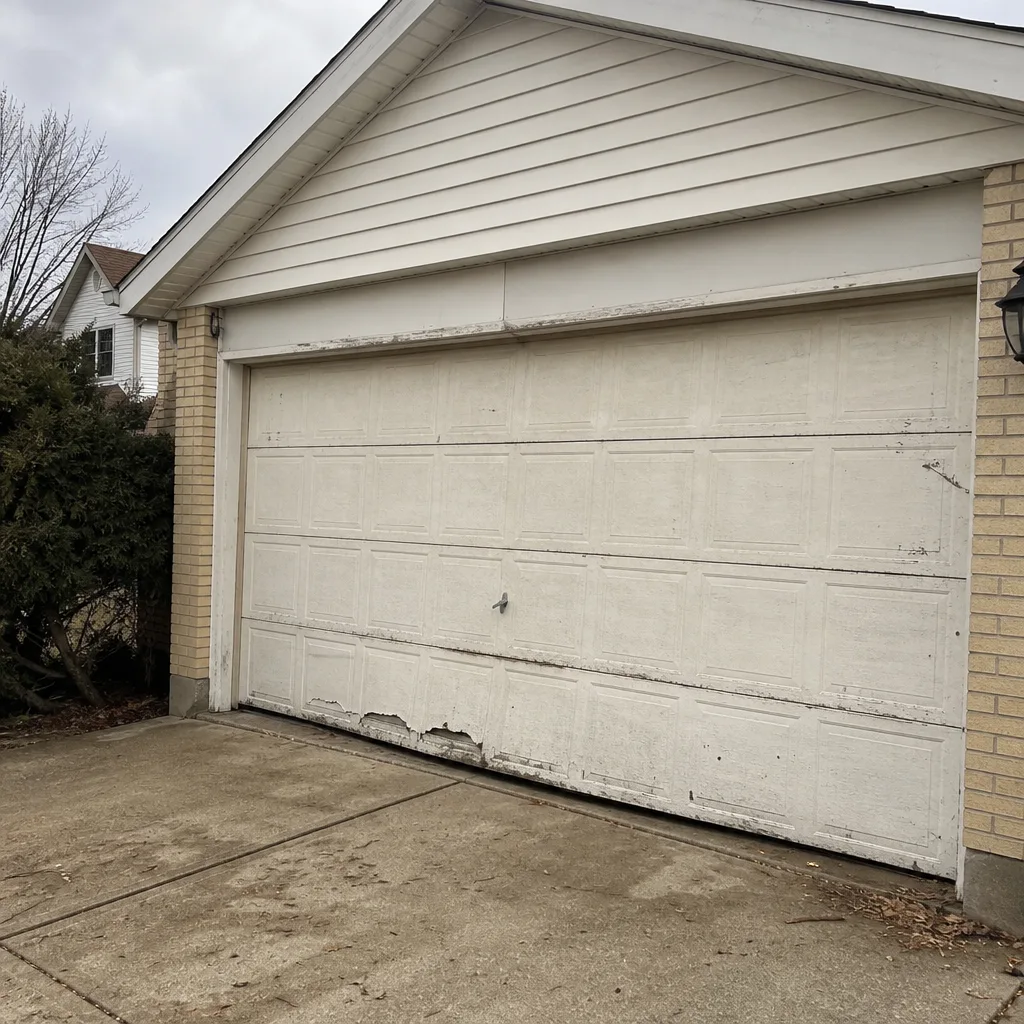 Before
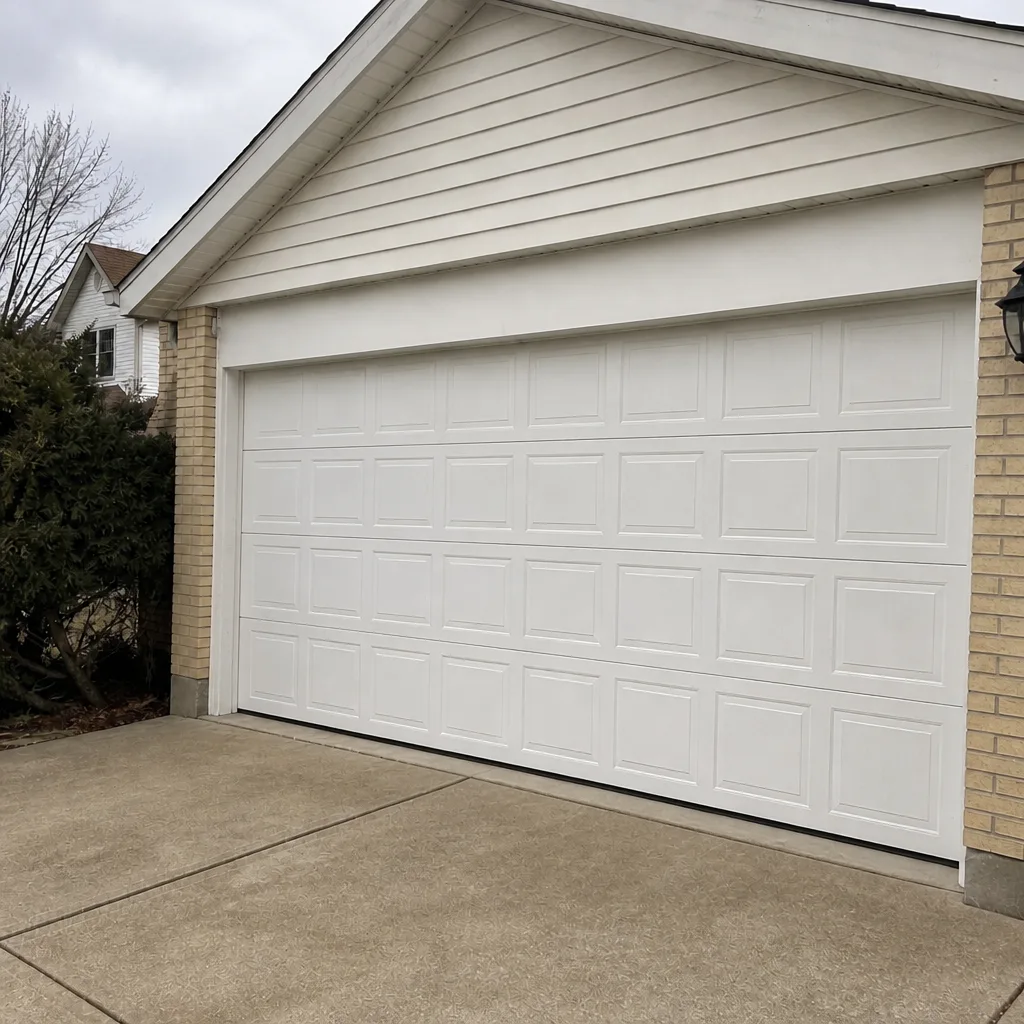 After
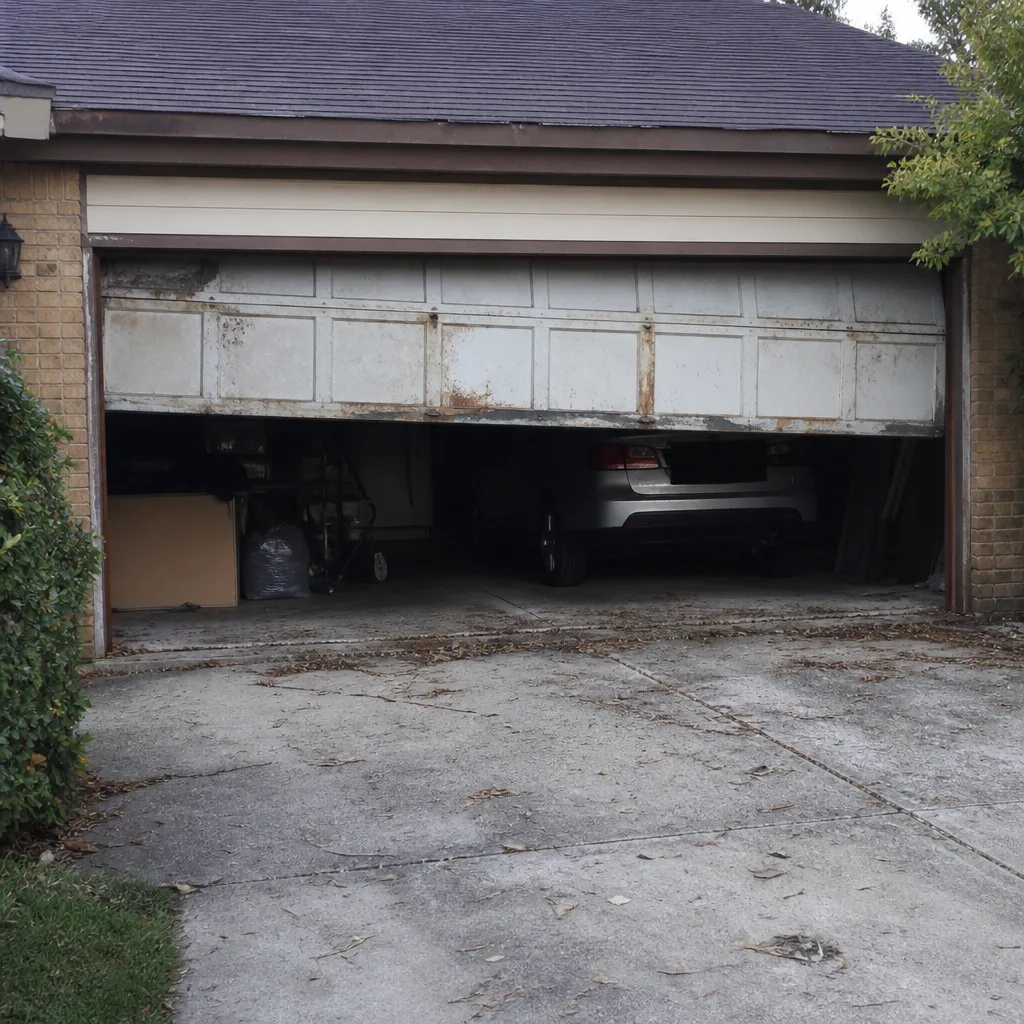 Before
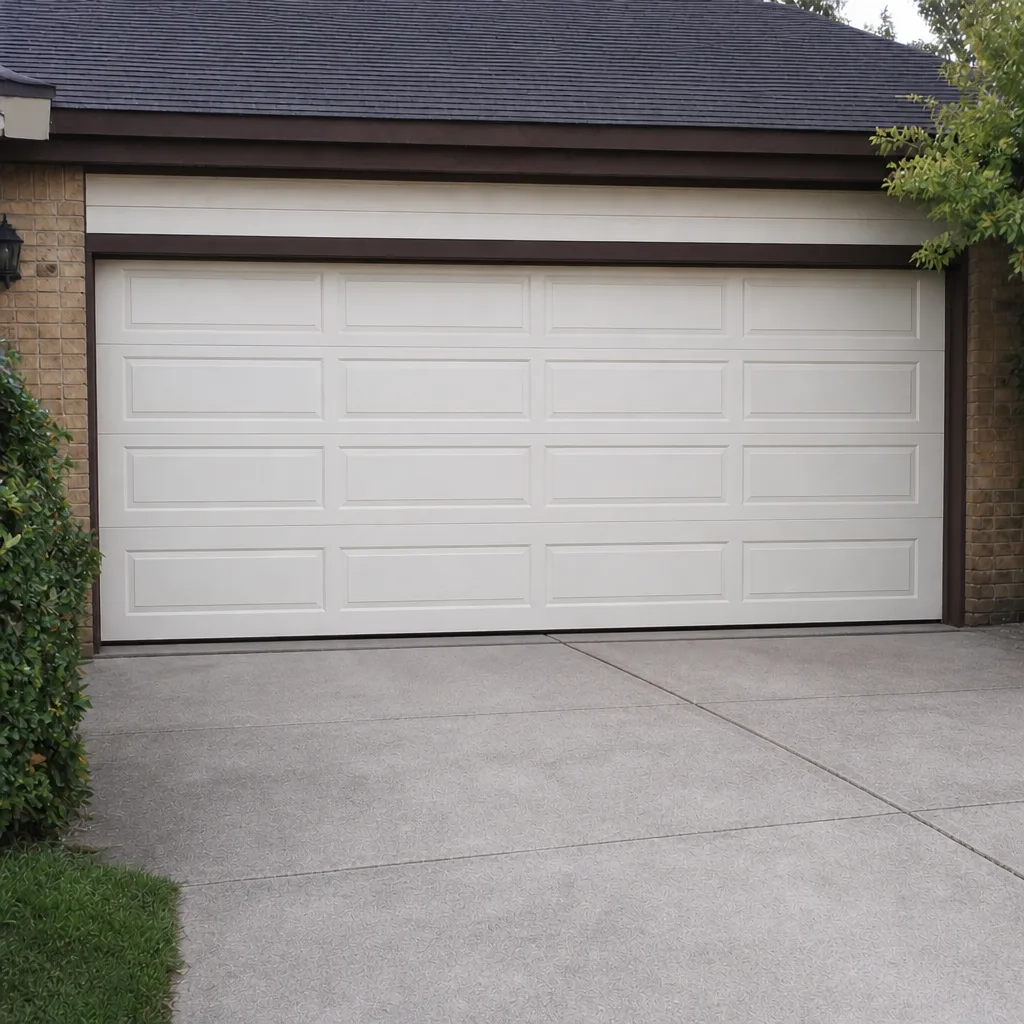 After
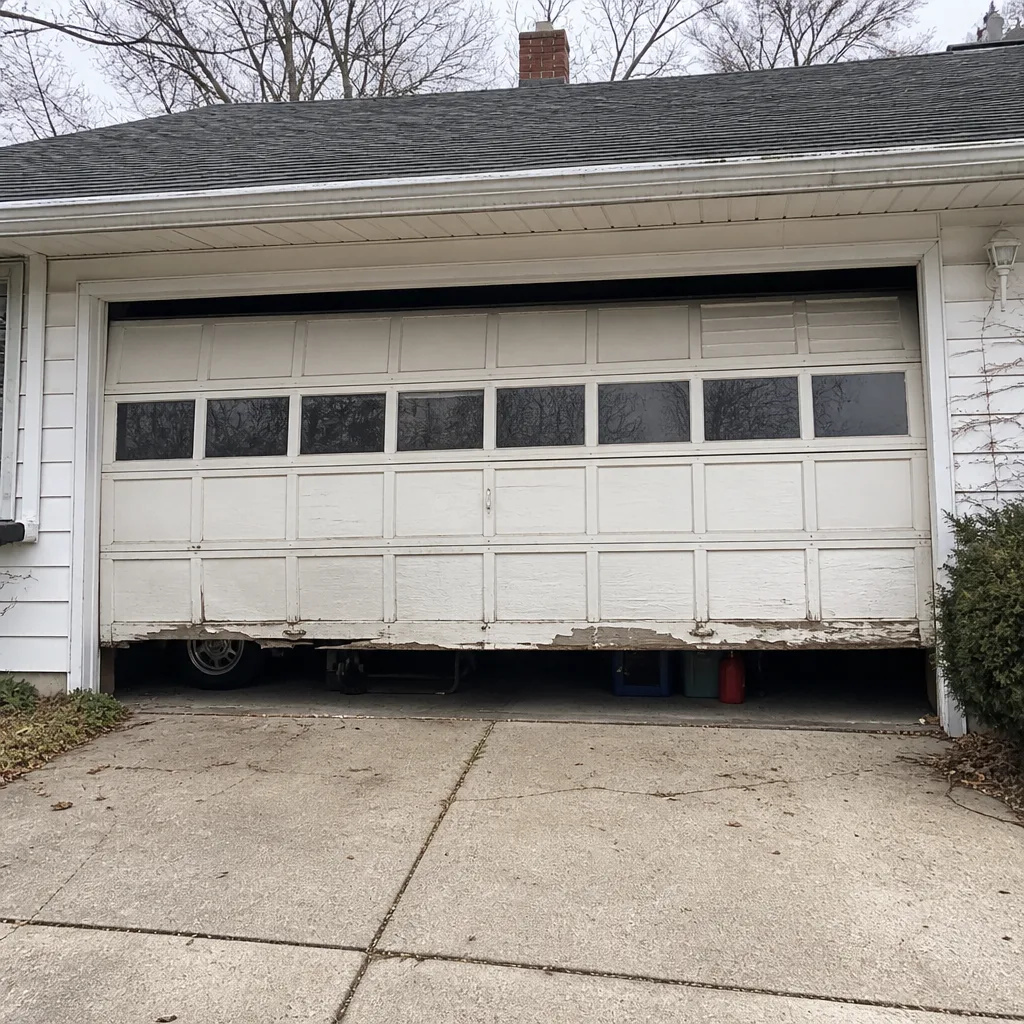 Before
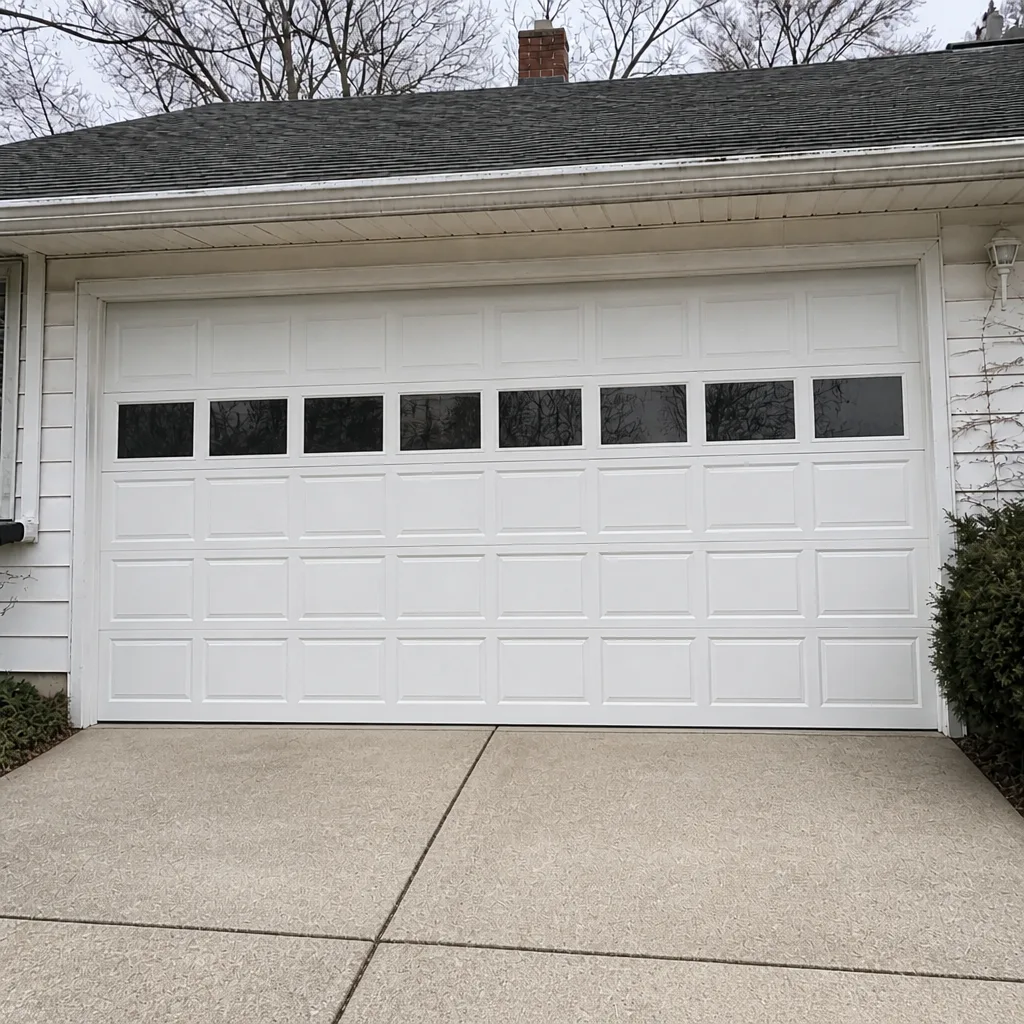 After
When to Call a Professional
There are maintenance tasks that deserve a technician and failures that require one. Call us when a torsion or extension spring is visibly deformed, when a cable is frayed or off its drum, when the door is off-track or binding, when the balance test fails, when auto-reverse or photo-eye testing fails and can’t be fixed by cleaning the sensor lenses, or when the opener runs but won’t lift the door. Any of these means the door has a mechanical fault that more cycles will make worse.
We also recommend a proper annual service before the first freeze – especially on doors eight years and older, where spring fatigue is more likely. If you’re unsure, our technicians have up to 14 years of experience and a straightforward answer within minutes. Garage Door Repair St. Charles Pros offers free estimates in St. Charles – call (888) 778-7498. We work on your brand, we quote the job before we touch anything, and the written estimate is the price you’ll see on the invoice.
Frequently Asked Questions
A typical maintenance visit in St. Charles runs around $89 to $179 depending on what’s covered. Spring replacement, when needed, is usually a separate line item – one spring typically runs $180 to $340, and a matched pair is usually replaced together, roughly double. Roller replacement is often bundled into the service call. Call (888) 778-7498 for an exact quote – estimates are free, and we quote before any work starts.
No. WD-40 is a penetrant and water displacer, not a proper lubricant, and on springs it can trap dust and moisture rather than protect against them. Use a silicone spray on springs, lithium grease on hinges and rollers, and avoid cooking oil or graphite entirely. If you’re not sure what to buy, ask us before you buy anything.
Twice a year is standard – once in fall before the first freeze and once in spring. If your door gets heavy daily use or you live near one of the lower-lying subdivisions along the river, add a mid-summer pass. Fall is the priority because the freeze arrives fast here and stays all winter.
Yes for emergency calls – a broken spring that traps a car or leaves the house unsecured gets our same-day response between 7am and 7pm. Call (888) 778-7498 for an exact arrival window. For routine maintenance or new installation, we schedule ahead, but for a door that won’t open we take it seriously and get someone out.
No. The written estimate we quote before any work starts is the price you’ll see on the invoice. If we discover something during the visit that changes the scope – a hidden broken roller, a bent track – we’ll tell you before doing any extra work, and you approve it or we stop. Call (888) 778-7498 to schedule a free estimate.
Our technicians are experienced working with LiftMaster, Chamberlain, Genie, Craftsman, and other common openers, plus doors from Clopay, Amarr, Wayne Dalton, and Raynor. That covers nearly every opener and door in a typical St. Charles home. If you’re not sure what brand you have, take a photo of the opener motor and the door’s label and we’ll tell you.
The local professionals we connect you with are licensed and insured as their state requires. We vet every technician we send, and we don’t send a job out unless the technician has the relevant brand experience. Call (888) 778-7498 if you want to know who’s coming before you book.
The Bottom Line
Maintenance specific to St. Charles means paying attention to the freeze-thaw cycle, lubricating the right parts with the right products before October, and knowing what your door’s balance and safety tests are telling you. Springs and rollers fail first, not openers. WD-40 on springs does more harm than good. Any spring, cable, or track task belongs with a professional no matter how confident you feel. And a real annual service includes more than a visual glance – if your contractor can’t tell you what’s included, ask. Get the fall checklist done before the first hard freeze, and you’ll spend less time and money on repair calls all winter.
Whether you need a routine maintenance visit, a garage door spring repair, a garage door opener repair, or a full garage door repair, we handle repair, replacement, and installation in one call. Reach Garage Door Repair St. Charles Pros at (888) 778-7498 for a free estimate – the price we quote is the price you pay.
Written by the team at Garage Door Repair St. Charles Pros.